
Walk into any Montessori-inspired toy shop and the wood is impossible to miss. It is easy to assume wood itself is the point, that a wooden toy is automatically better, calmer, more "real" than a plastic one. Parents ask us this often enough that it is worth answering honestly, without the marketing gloss either side usually gets.
Are wooden toys really better than plastic for toddlers?
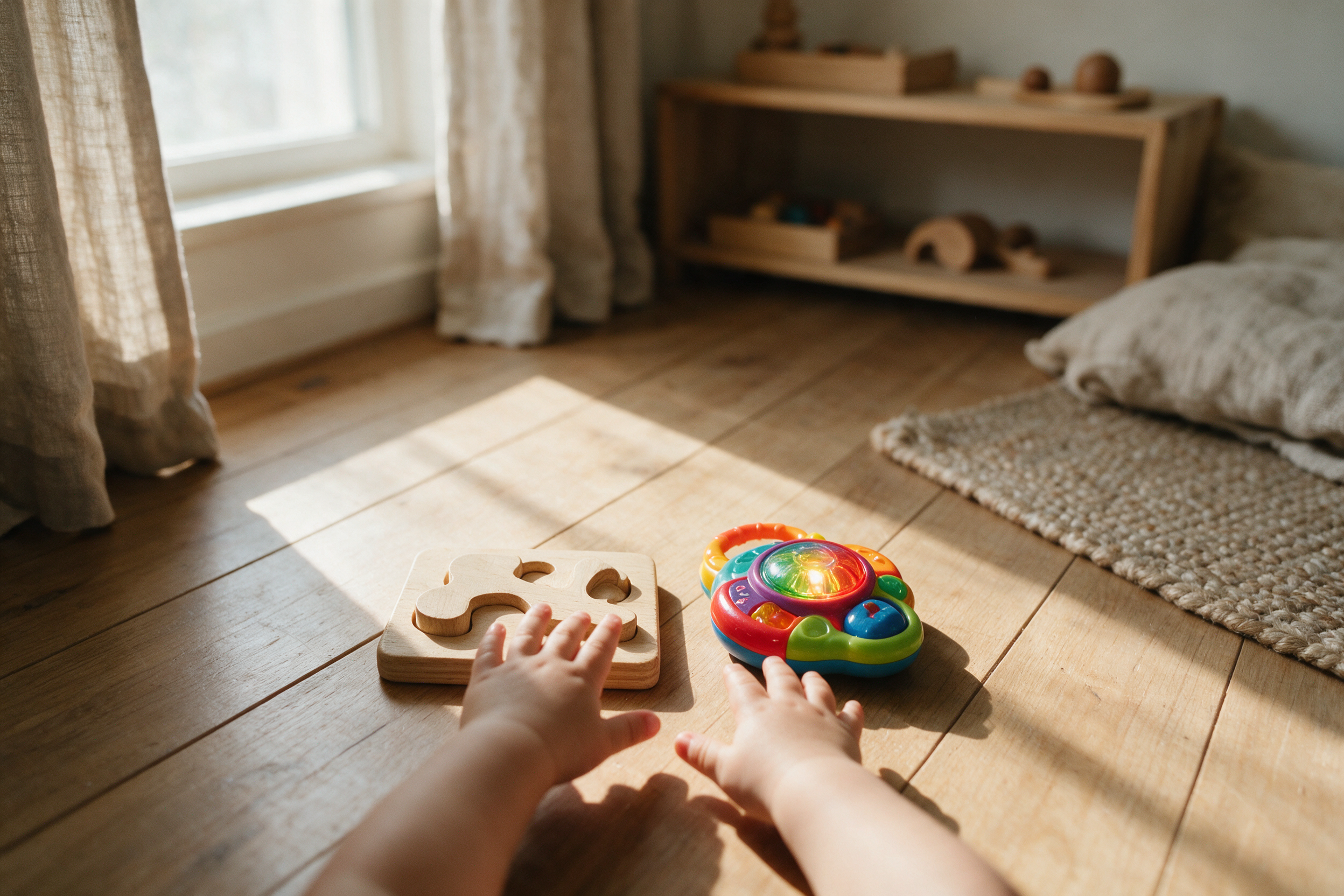
Not automatically, and not because of the material alone. A well-designed wooden toy and a well-designed plastic toy can teach a child the same thing. What actually matters is whether the toy asks the child to do something (stack, sort, balance, figure it out) or does the thing for them (lights, sounds, screens that reward passive watching). Wood tends to correlate with better design because of how it is manufactured, not because wood itself is magic.
What wood actually does well
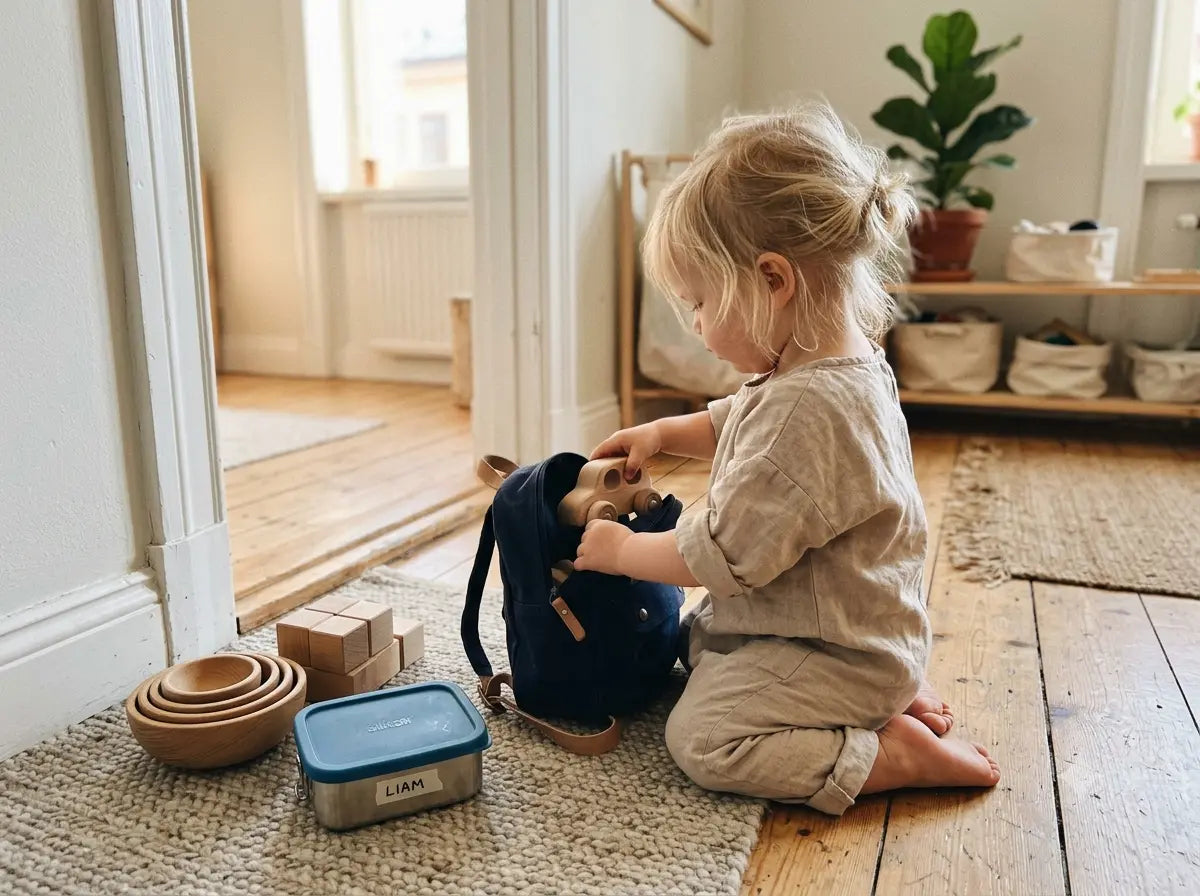
Wood has three real, physical advantages worth naming honestly. It has weight and sensory feedback, a wooden block feels different to a plastic one in the hand, and that weight gives a toddler real information about size and force as they stack or drop it. It is durable in a way that shows its age gracefully, a wooden toy dropped for the hundredth time develops a patina rather than a crack, and tends to survive from one sibling to the next. And because wood rarely comes with a battery, a wooden toy is far less likely to include lights, sounds, or autoplay, the features that pull a child into watching rather than doing.
Where plastic is genuinely fine, or even better
None of this makes plastic the enemy. Bath toys are a good example, wood absorbs water and can develop mould over time, while a well-made plastic toy is the more sensible, hygienic choice in the tub. Lightweight travel items are another, a plastic version of a toy is often the better pick for a nappy bag or a car seat pocket simply because it weighs less and survives being dropped on a hard airport floor. And some outdoor or garden toys benefit from plastic's weather resistance in a way a wooden equivalent would not.
Compare the two materials honestly
| Material | Typical strengths | Typical weaknesses | When it matters most |
|---|---|---|---|
| Wood | Sensory weight and feedback, durability, rarely battery-powered | Heavier, can mark or dent, less suited to water | Stacking, sorting, building, everyday indoor play |
| Plastic | Lightweight, water-resistant, often cheaper to replace | Often paired with lights/sound that encourage passive play, less satisfying sensory feedback | Bath time, travel, outdoor and garden play |
The real test isn't the material, it's the design
We say this often because it holds up every time we look closely: the question worth asking isn't "is this wood or plastic", it's "does this toy do one thing well, or does it try to do everything for the child." A wooden toy with a hidden battery and flashing lights fails the same test a loud plastic one does. And a genuinely well-designed plastic toy, one that asks a child to sort, match, or build, passes it just as well as its wooden equivalent. We call this the battery test in our guide to choosing Montessori toys by age, and it holds regardless of material.
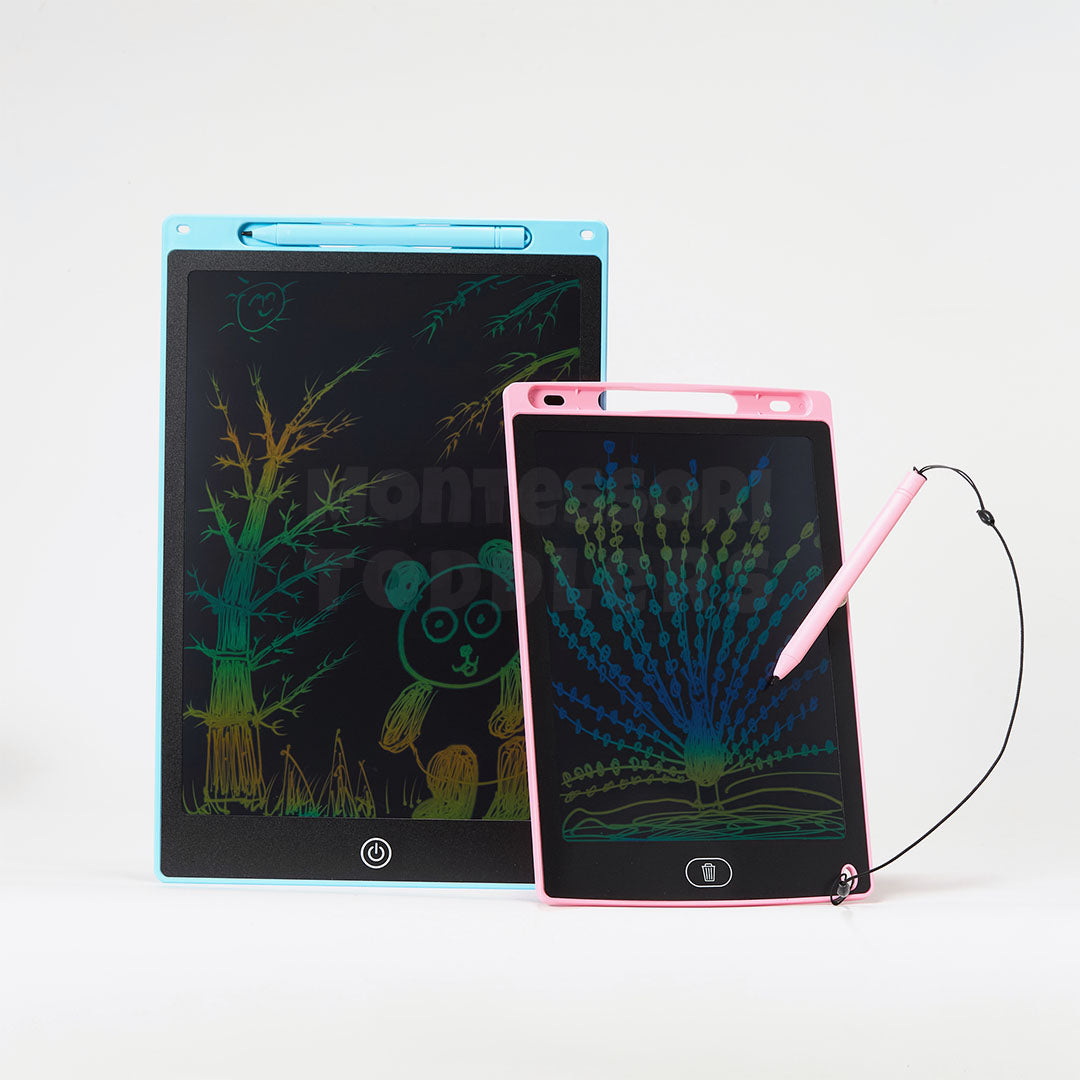
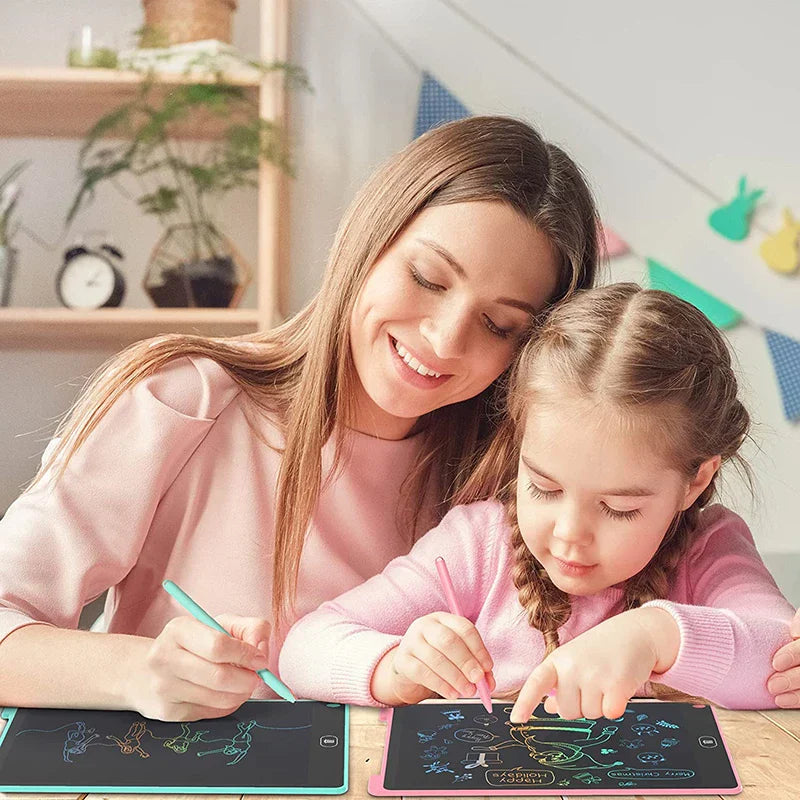
It is also worth saying plainly that not everything we make or recommend is wood, and we don't think it needs to be. Our own Toddlers Tablet is plastic and screen-shaped, and we still stand behind it, because it passes the design test even though it fails the material one: nothing to watch, nothing to scroll, just drawing and erasing at the child's own pace.
A few wooden picks that pass the design test

The Toddlers Wooden Rocket Stacking Toy is a good example of wood doing real work rather than decorative work: the weight of each ring gives a toddler honest feedback about balance as they stack, something a lighter plastic version communicates less clearly.

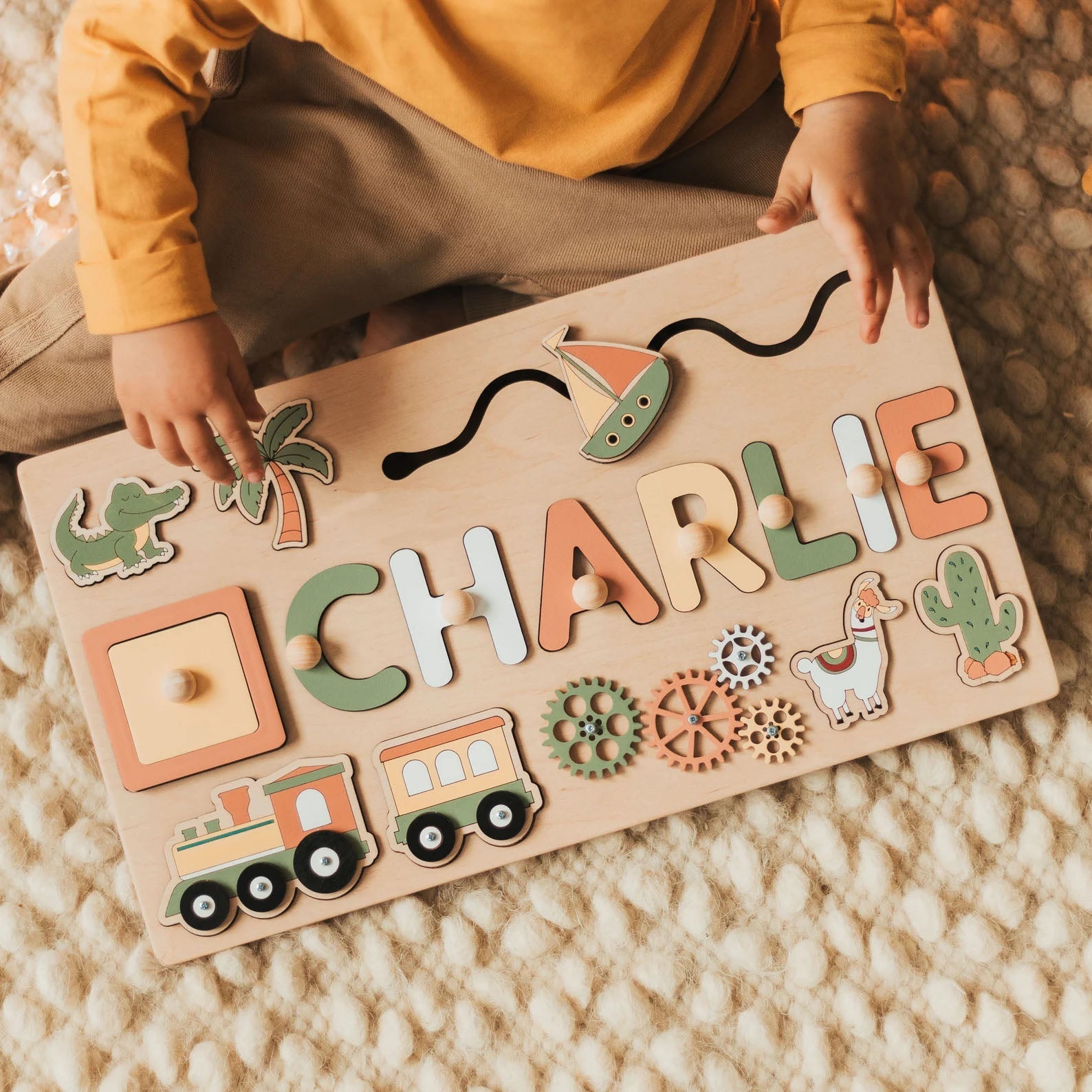
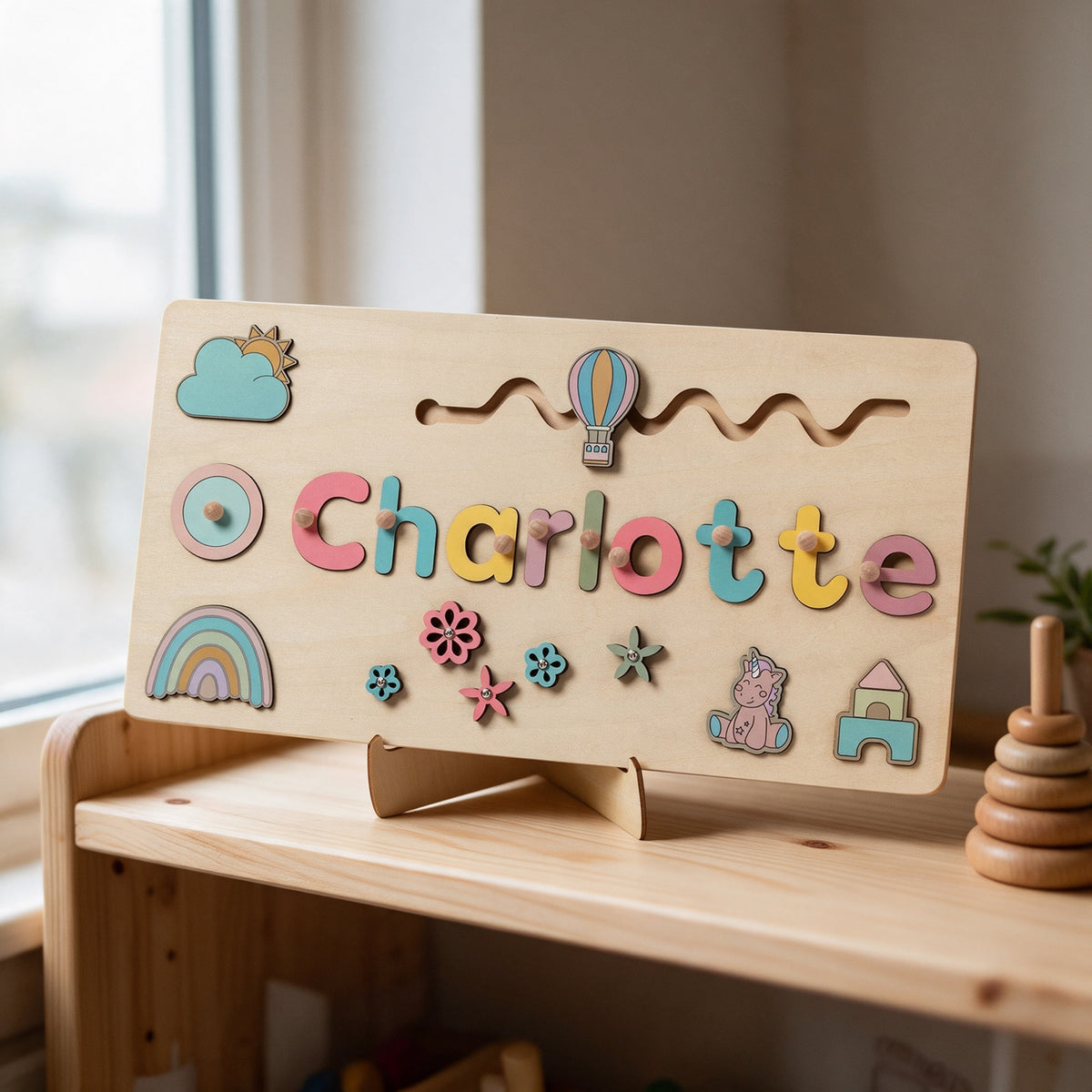
The Toddlers Wooden Bear Puzzle uses knobs sized for small hands, one piece at a time, one shape at a time, which is the kind of single-skill focus that matters far more than the material it's carved from.

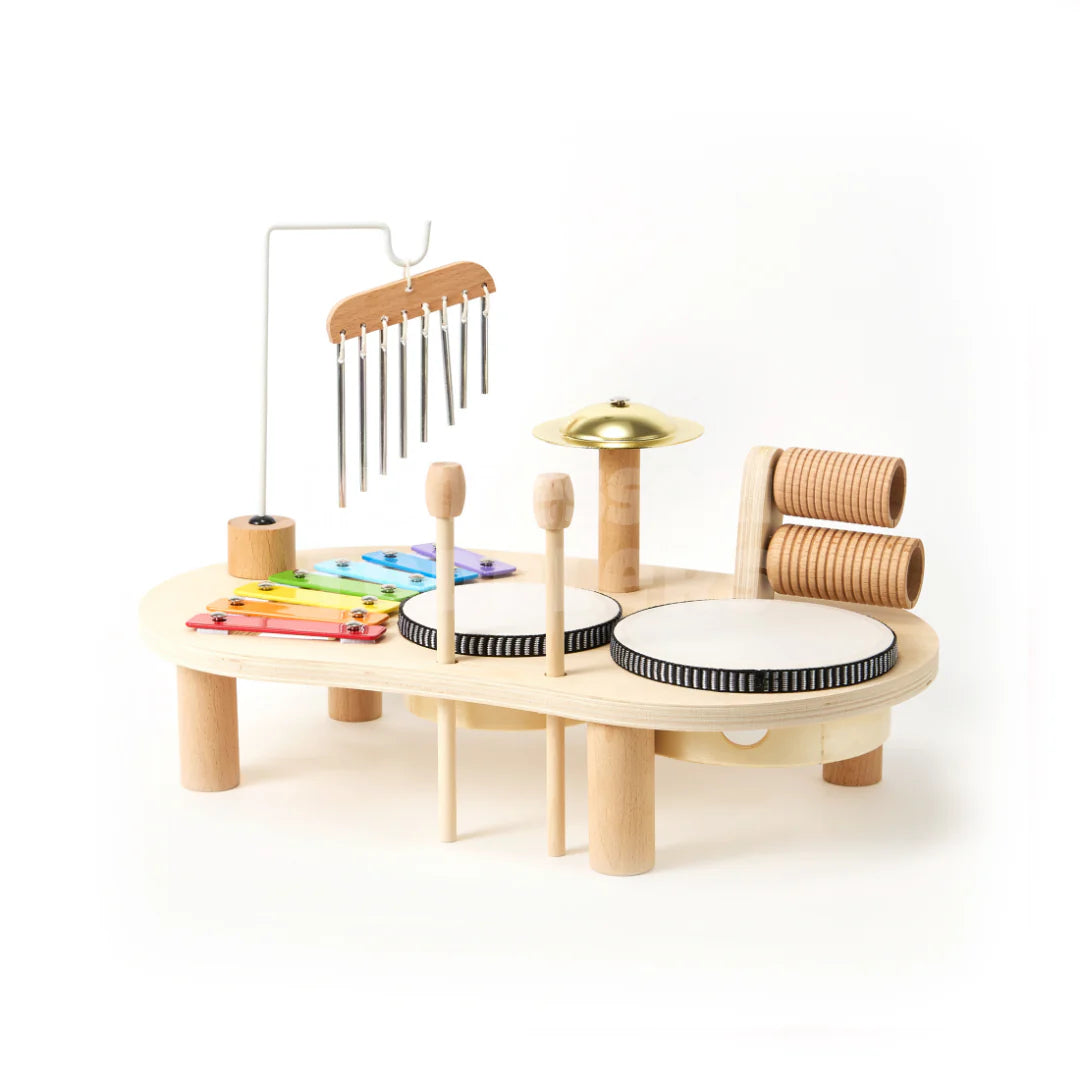
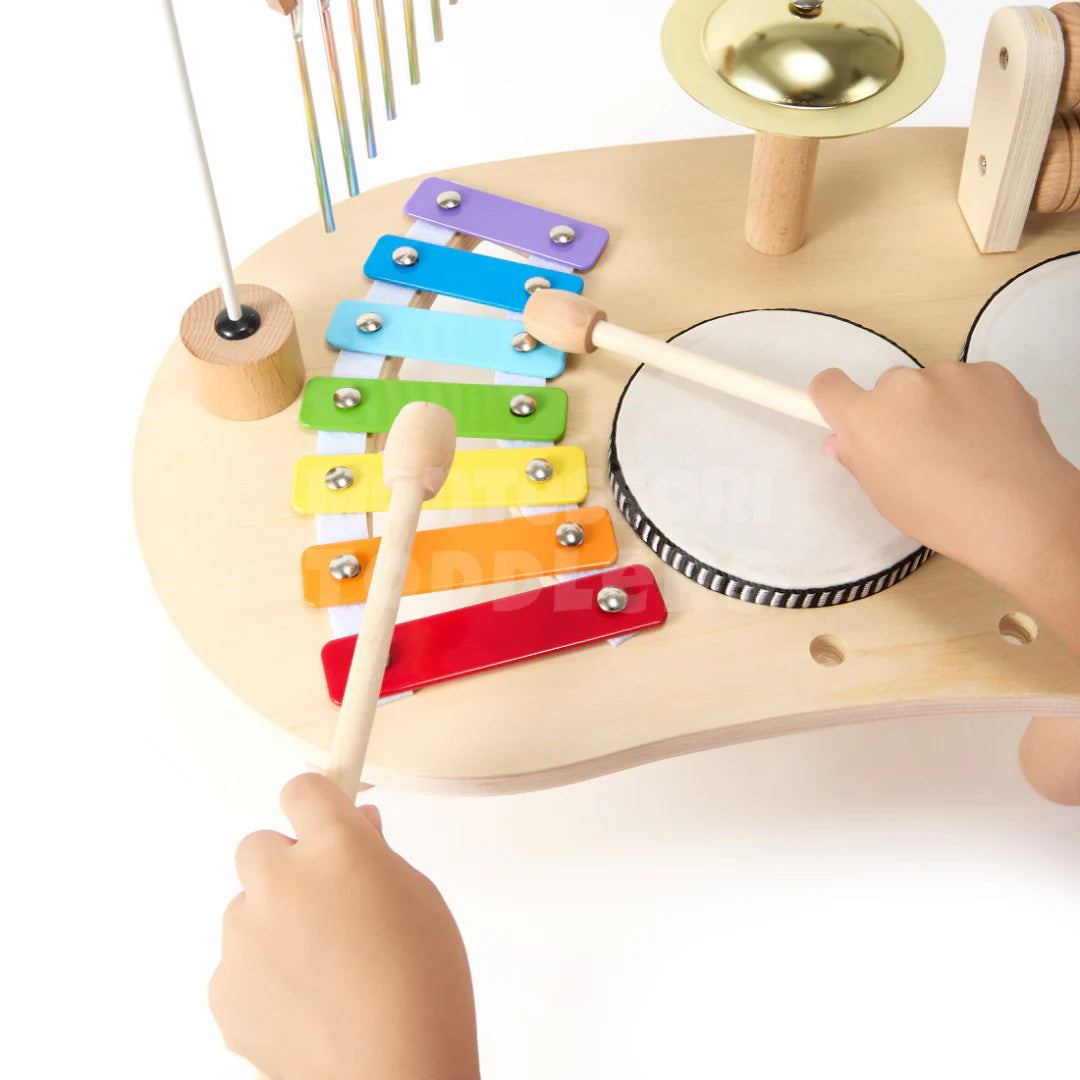
And the Toddlers Music Set gives a genuine physical response, a real note, a real sound, rather than a speaker playing a pre-recorded tune, which is where wood's lack of a battery becomes a feature rather than a limitation. Read more in our full look at the Toddlers Music Set.
Frequently asked questions
Is wood always more Montessori than plastic?
No. Montessori education is about materials that let a child do real, purposeful work with their hands, control their own error, and build one skill at a time. Wood is common in Montessori classrooms partly for practical reasons (durability, weight, cost over decades of use), not because the philosophy requires it. A well-designed toy in any material can be genuinely Montessori-aligned.
Are wooden toys safer for toddlers?
Both materials can be entirely safe when made and finished properly. Wood's main safety advantage is that it doesn't shatter into sharp fragments the way some brittle plastics can, and untreated or naturally finished wood avoids some of the coatings and additives found in lower-quality plastic toys. Always check for a smooth finish, rounded edges, and, for younger toddlers, pieces sized to avoid a choking hazard, regardless of material.
Do wooden toys last longer than plastic toys?
Often, yes, in the specific sense of surviving repeated drops and years of handling without cracking. A well-made wooden toy commonly gets passed down between siblings, developing a patina rather than breaking, while lower-quality plastic can become brittle over time. That said, high-quality plastic can also last for years; it is the quality of manufacture, not the material alone, that decides how long a toy survives.
Related reading
See more of our thinking on this in why wooden toys are a parent's best friend, or browse our full round-up of best wooden Montessori toys for toddlers.
With love from the Montessori Toddlers team 💛