
The start of preschool or kindergarten is a big shift for a small person, and most parents feel the pull to "help them get ready" with something. The trouble is that most back-to-school shelves are full of flashcards and worksheets that ask a toddler to sit still and perform, rather than build the skills that actually make the first weeks easier.
Here is what genuinely helps, and the toys we'd reach for first.
What should go in a Montessori back-to-school kit?
Three things matter more than any workbook: a little independence (dressing, packing, carrying their own things), a gentle start on early literacy and numeracy through the hands rather than a worksheet, and a routine anchor that makes the new schedule feel predictable. Get those three right and the rest follows.
Compare the picks at a glance
| Product | Suitable age | Develops | Best for |
|---|---|---|---|
| Toddlers Alphabet Puzzle | 3+ | Letter recognition, fine motor | First steps toward spelling and reading readiness |
| Toddlers Writing Workbook | 3+ | Pencil grip, pen control, pre-writing strokes | Children about to meet a pencil at school for the first time |
| Toddlers Number Balance Puzzle | 3+ | Number sense, counting, balance and logic | Early numeracy without a worksheet in sight |
| Toddlers Finger Counting Game | 3+ | One-to-one correspondence, hand-eye coordination | Children who need counting to feel like a game, not a test |
| Toddlers Calendar Clock | 3+ | Sense of time, routine, day-of-week awareness | Making a new daily schedule feel predictable |
| Toddlers Travel Bag | 2+ | Independence, ownership, packing/carrying | The bag they carry themselves on the first day |
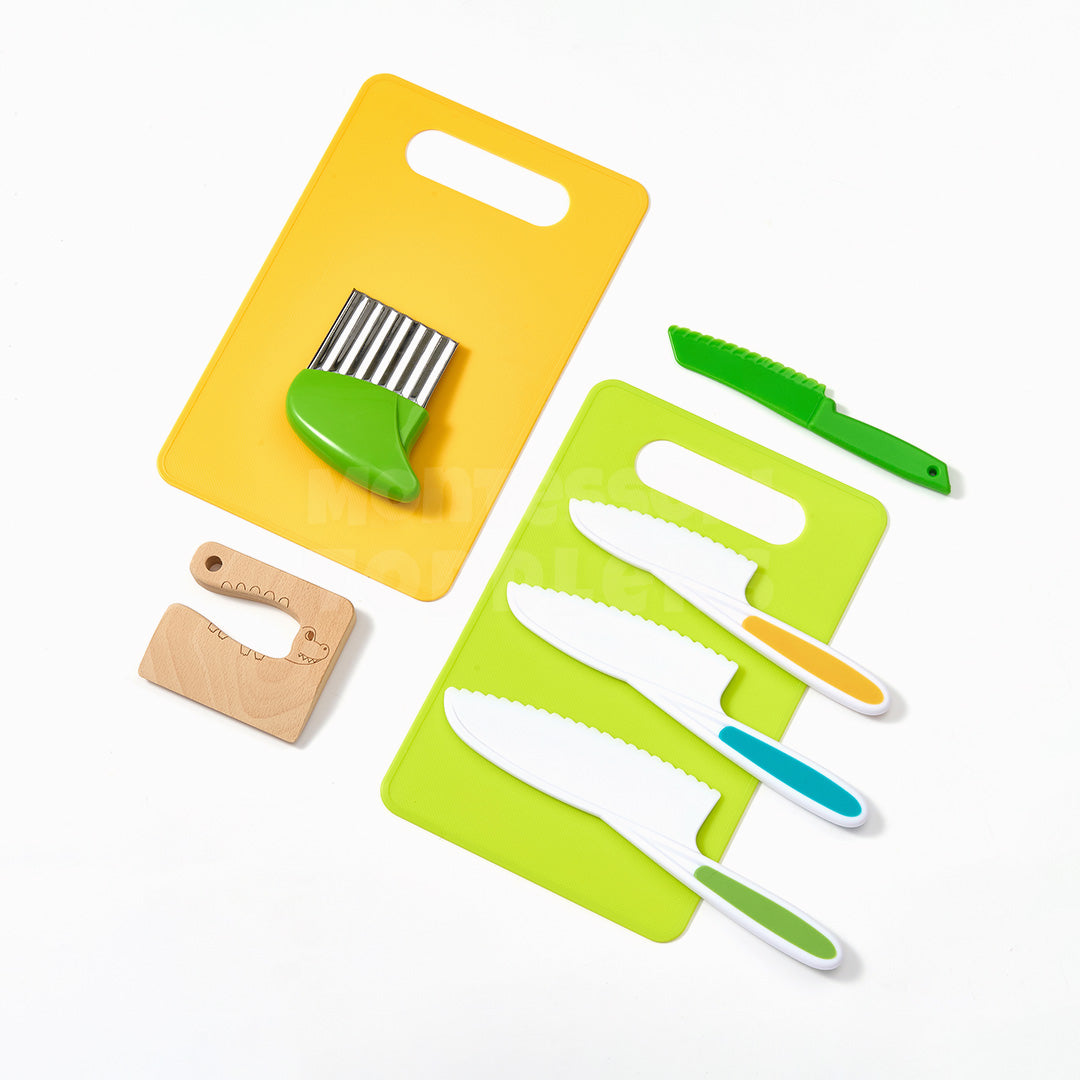
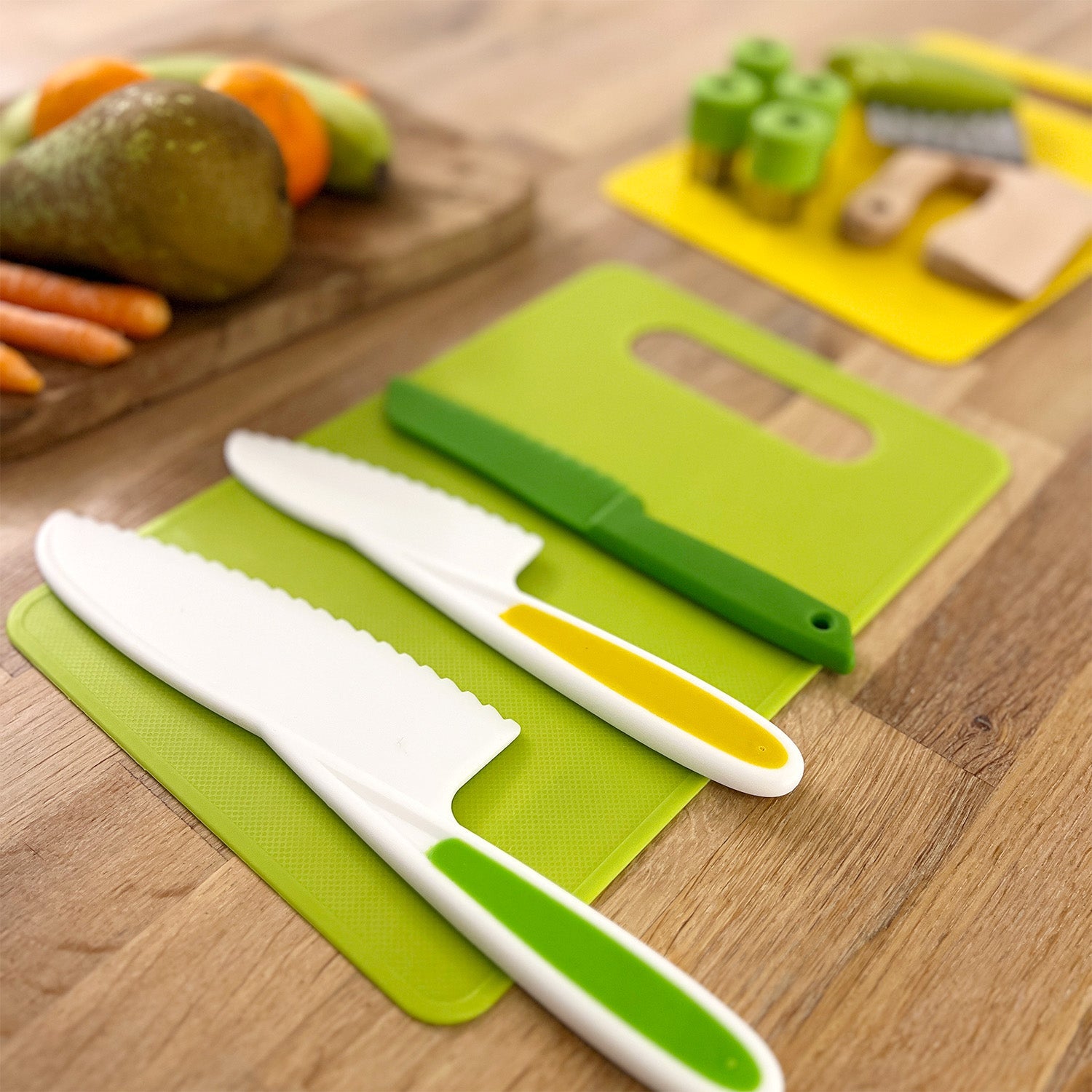
| Toddlers Chef Set | 3+ | Practical life skills, confidence, following steps | Building the "I can do this myself" feeling school runs on |
Early literacy readiness: start with letters they can touch

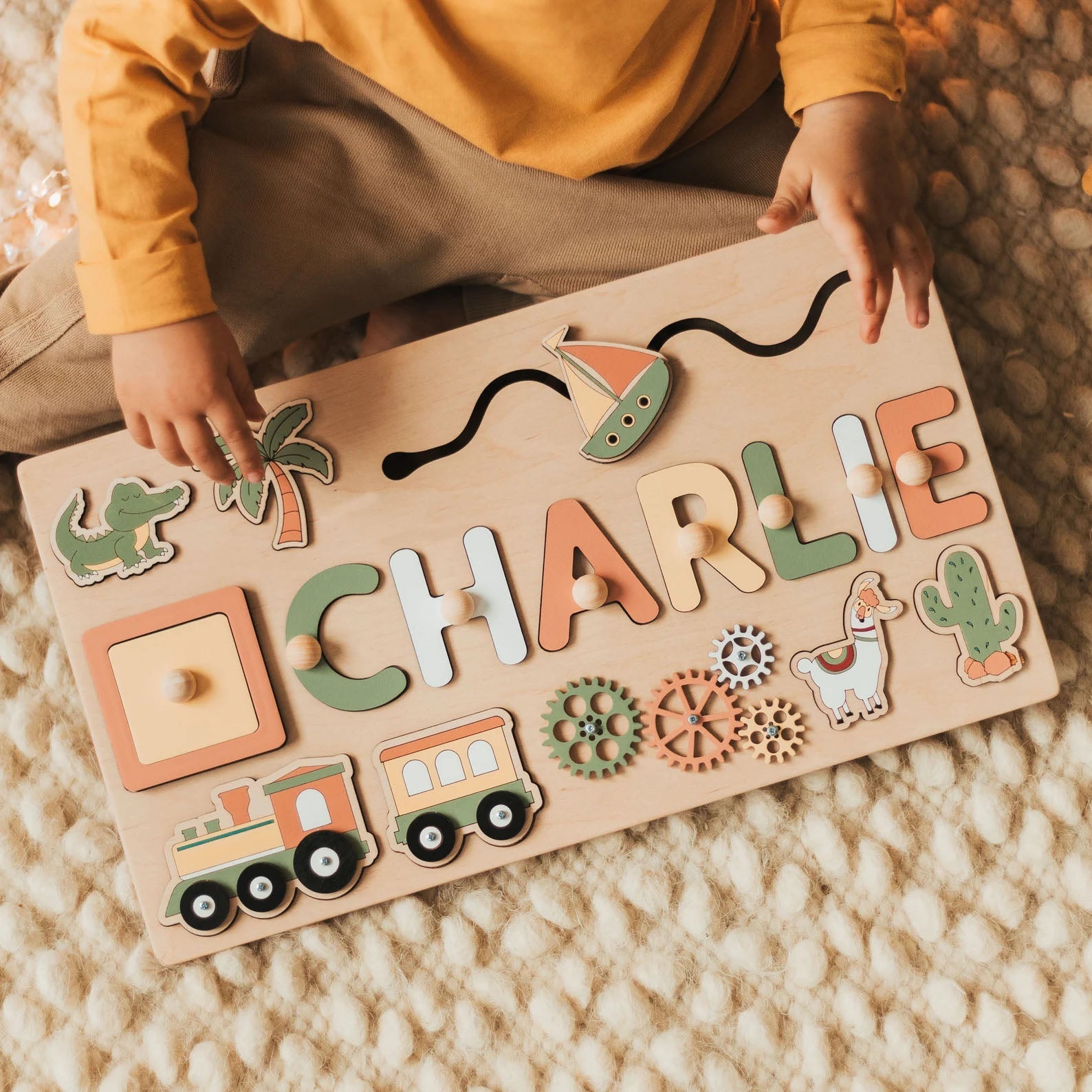
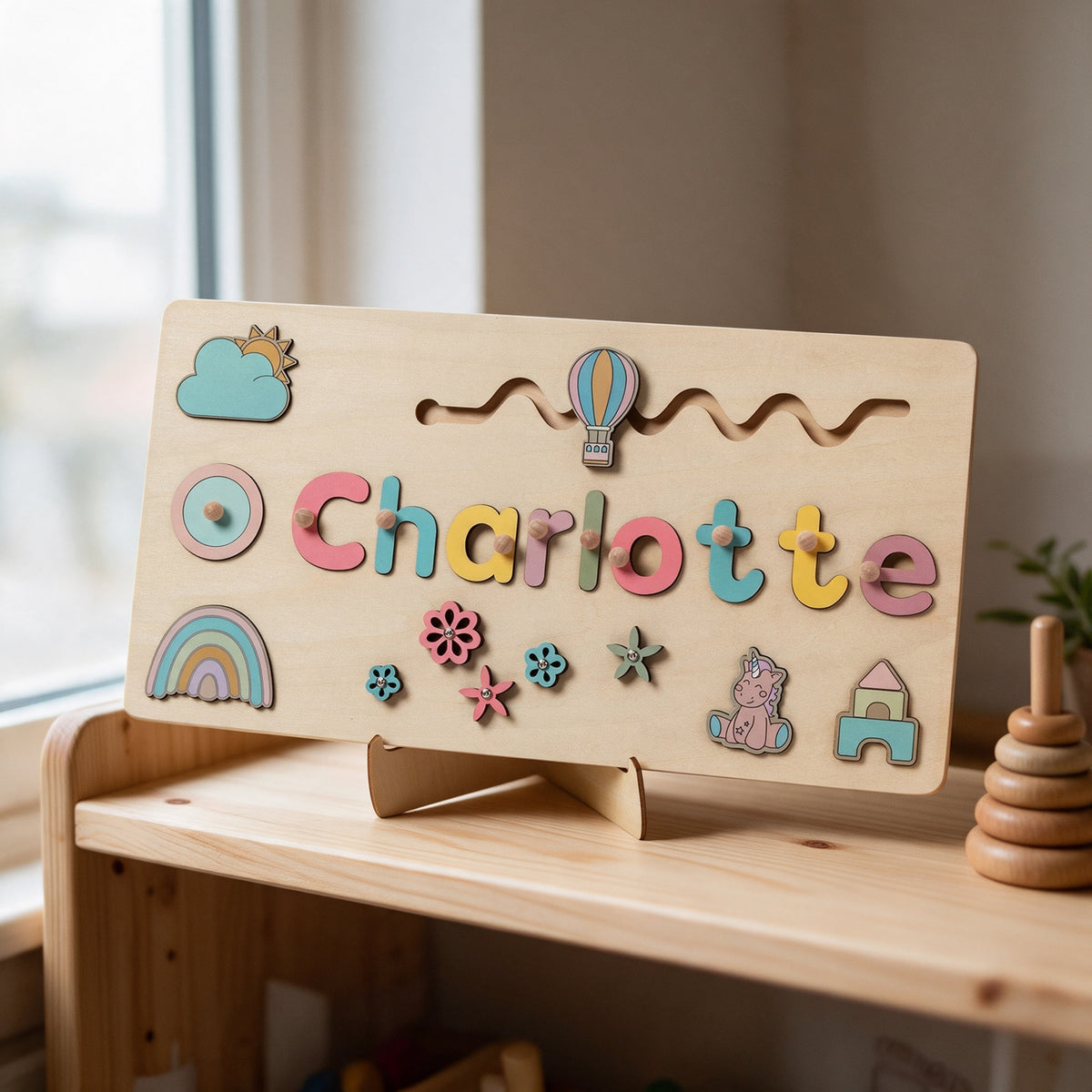
Before a child can write a letter, they need to know its shape in their hand as well as their eyes. The Toddlers Alphabet Puzzle lets a child feel each letter's outline as they lift and place it, which is exactly how many Montessori classrooms introduce letters long before formal writing starts.
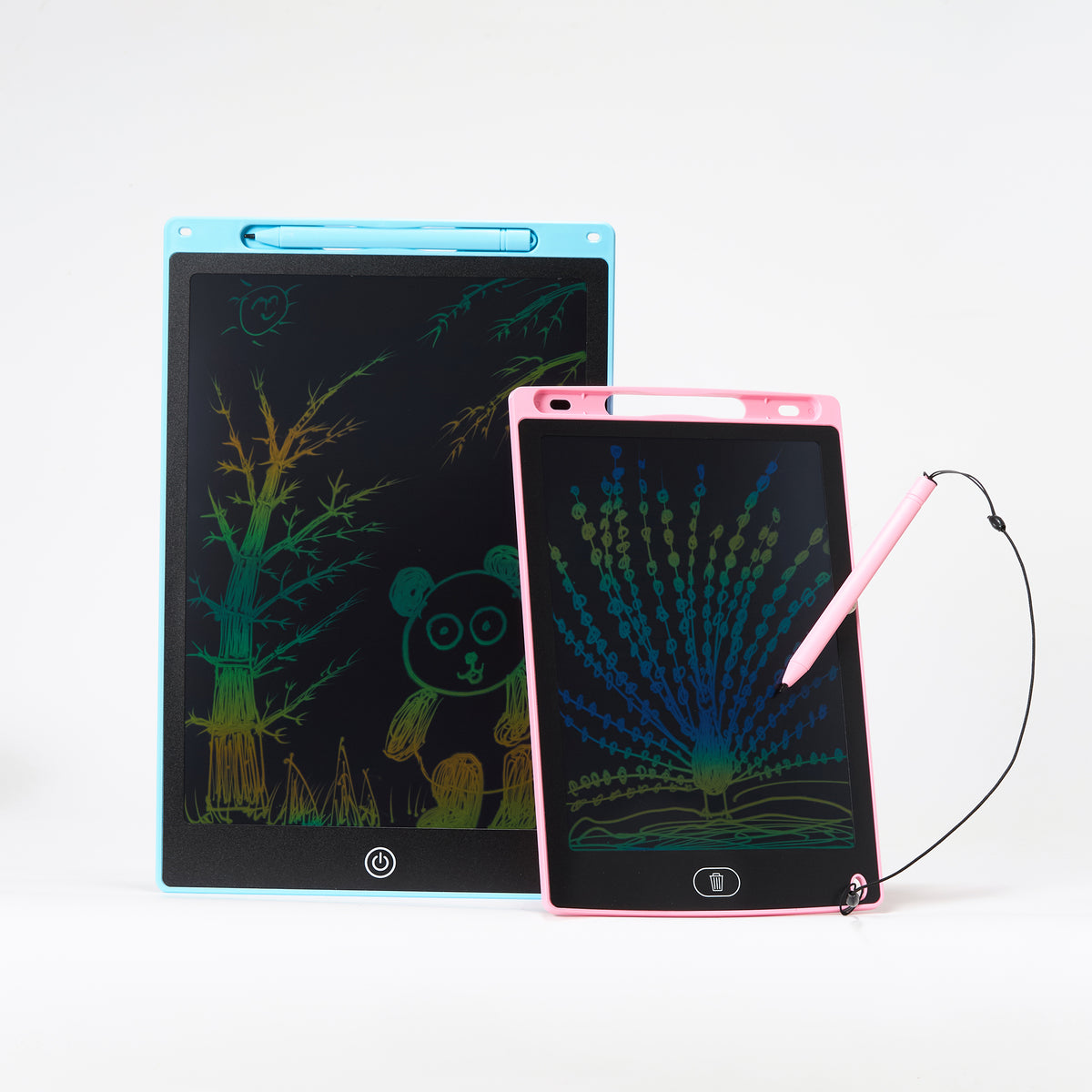
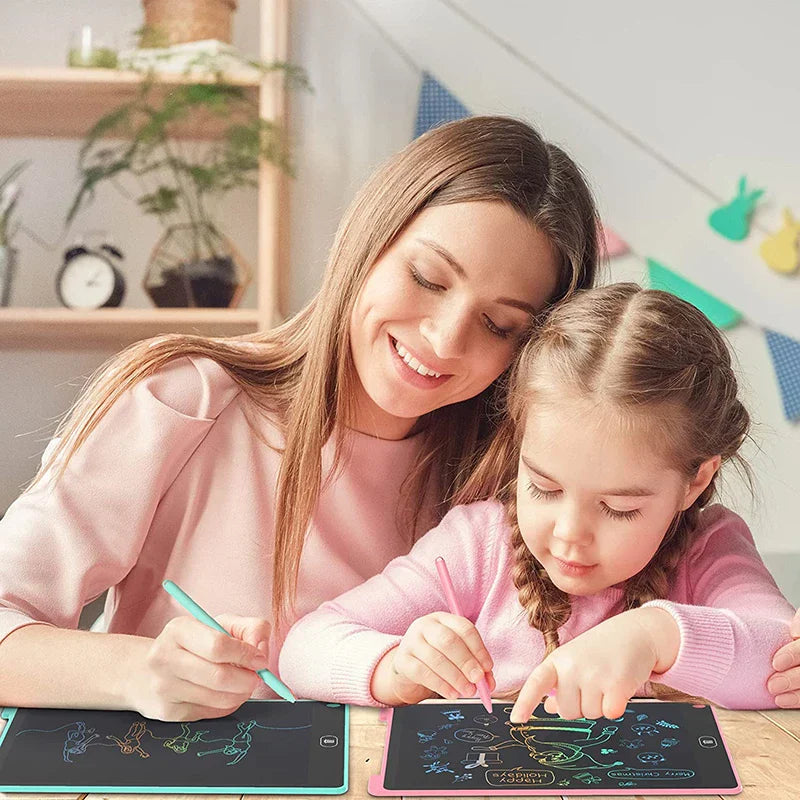
Once a child is comfortable with letter shapes, the Toddlers Writing Workbook gives real pencil practice, tracing lines and connecting dots that build the grip and control school will ask for on day one, without ever feeling like homework.

Early numeracy: counting with their hands, not a worksheet

A toddler who has physically balanced ten pieces to match a number understands that number in a way a worksheet rarely achieves. The Toddlers Number Balance Puzzle turns early maths into cause and effect: get the balance right, and it works.
The Toddlers Finger Counting Game does something similar for one-to-one correspondence, the skill of matching one number to one object, which is the actual foundation counting is built on, well before a child is ready to add or subtract.

Routine and independence: the part flashcards can't teach

A new schedule is often the hardest part of starting school, not the letters or the numbers. The Toddlers Calendar Clock gives a child a way to see the day and the week coming, so "school today" stops being an abstract idea and becomes something they can point to.
Then there is the bag itself. The Toddlers Travel Bag is small enough for a toddler to carry unaided, which matters more than it sounds. A child who packs and carries their own bag arrives at the school gate having already done something independently that morning.

Practical life confidence: the quiet skill that carries them through the day

A classroom asks a lot of a small child: follow steps, wait a turn, manage their own things. The Toddlers Chef Set builds exactly this kind of practical-life confidence at home, letting a toddler follow a real sequence (wash, chop, stir) and see it through to the end. Children who have practised "I can do this myself" in the kitchen tend to carry that same quiet confidence into a classroom.
Frequently asked questions
Do Montessori toys actually help with school readiness?
Yes, though not in the way flashcards claim to. Montessori materials build the underlying skills, fine motor control, number sense, letter recognition, independence, that formal learning depends on, rather than drilling the answers directly. A child who has spent months handling real materials tends to arrive at school with steadier hands and a calmer relationship to "trying" than one who has only seen letters on a page.
What age should preschool-readiness toys start?
Most of the toys here suit children from around three, which lines up with when preschool and the first year of kindergarten typically begin. A few, like the travel bag, work from two, since packing and carrying a small bag is a skill worth building well before the first day of school itself.
Do I need all of these, or just one?
Just one is a genuine gift. Most families build toward two or three over the run-up to term, one for literacy, one for numeracy, one for routine or independence, rather than buying everything at once.
Related reading
For the fuller picture of what to choose at each age, see our no-nonsense guide to choosing Montessori toys by age. And for more on the practical-life skills that build real independence, read Montessori practical life activities: the toys that build real independence.
With love from the Montessori Toddlers team 💛