Long before counting or letters, Montessori starts somewhere much simpler: real life. Pouring water without a spill, doing up a button, laying a table, peeling a banana. These are the tasks a young child watches adults do every day and quietly longs to do themselves. Montessori calls this practical life, and it is the foundation everything else is built on.
What are Montessori practical life activities?
Practical life activities are real, purposeful tasks, such as pouring, dressing, cleaning and food preparation, scaled down so a toddler can do them independently. They are not pretend chores. They are the real thing, sized for small hands, and they build concentration, coordination and genuine self-reliance in a way that no flashing, battery-powered toy can.
Why practical life comes before anything academic
A child who can pour their own water, clear their own plate, or dress themselves is a child who feels capable. That sense of "I can do it myself" is what Maria Montessori considered the true goal of early childhood, more important at this age than knowing letters or numbers. Concentration, coordination, and independence learned through practical life carry over into everything a child does later, including the academic work that comes after.
Practical life toys and activities at a glance
| Toy | Suitable age | Develops | Best for |
|---|---|---|---|
| Wooden Busy Board | 18 months - 4 yrs | Fine motor, self-dressing skills | Buttons, buckles and zips practice |
| Wooden Coffee Machine | 2-5 yrs | Pretend practical life, sequencing | Children who love copying grown-up routines |
| Wooden Afternoon Tea Set | 2-5 yrs | Fine motor, hosting and serving play | Tea parties and sharing play |
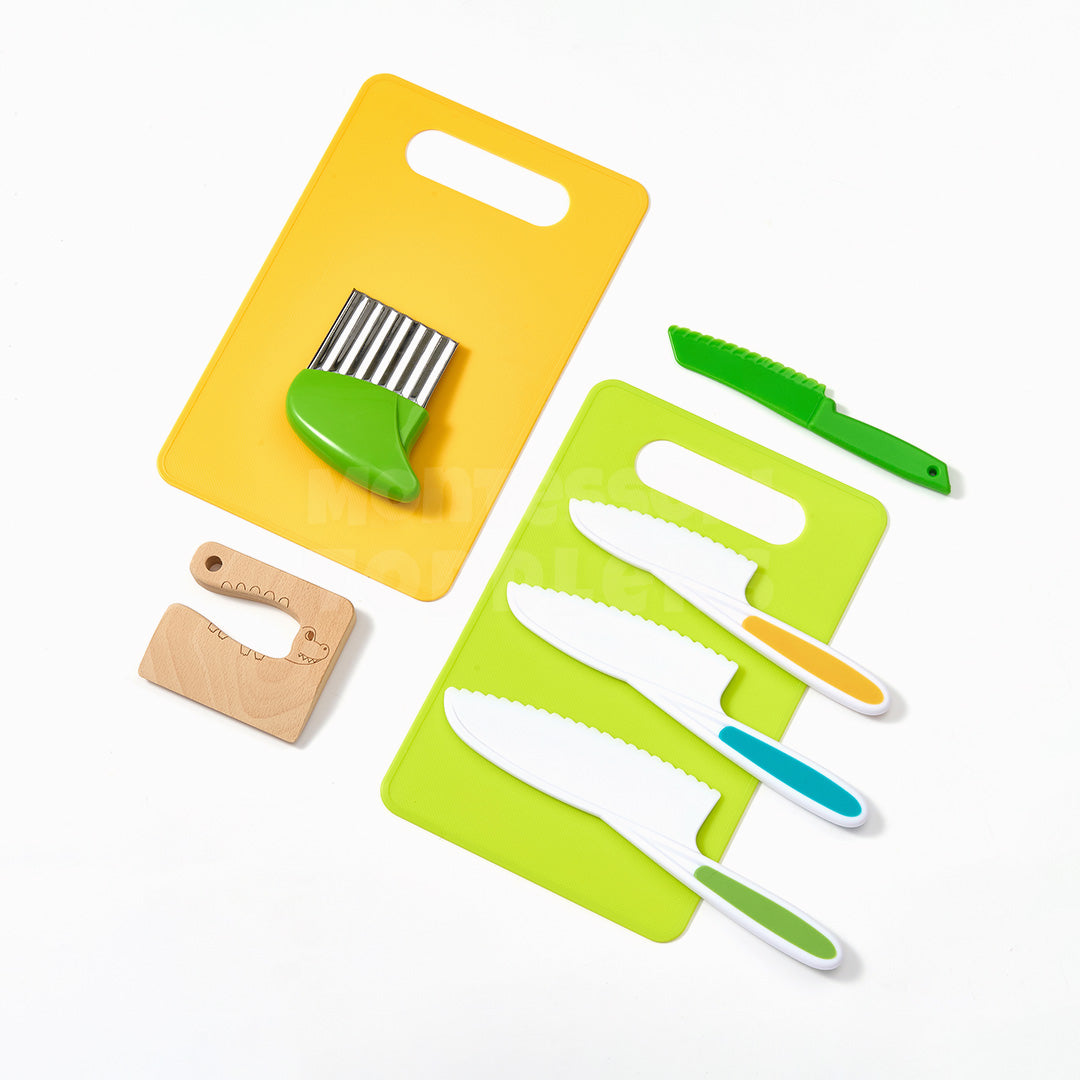
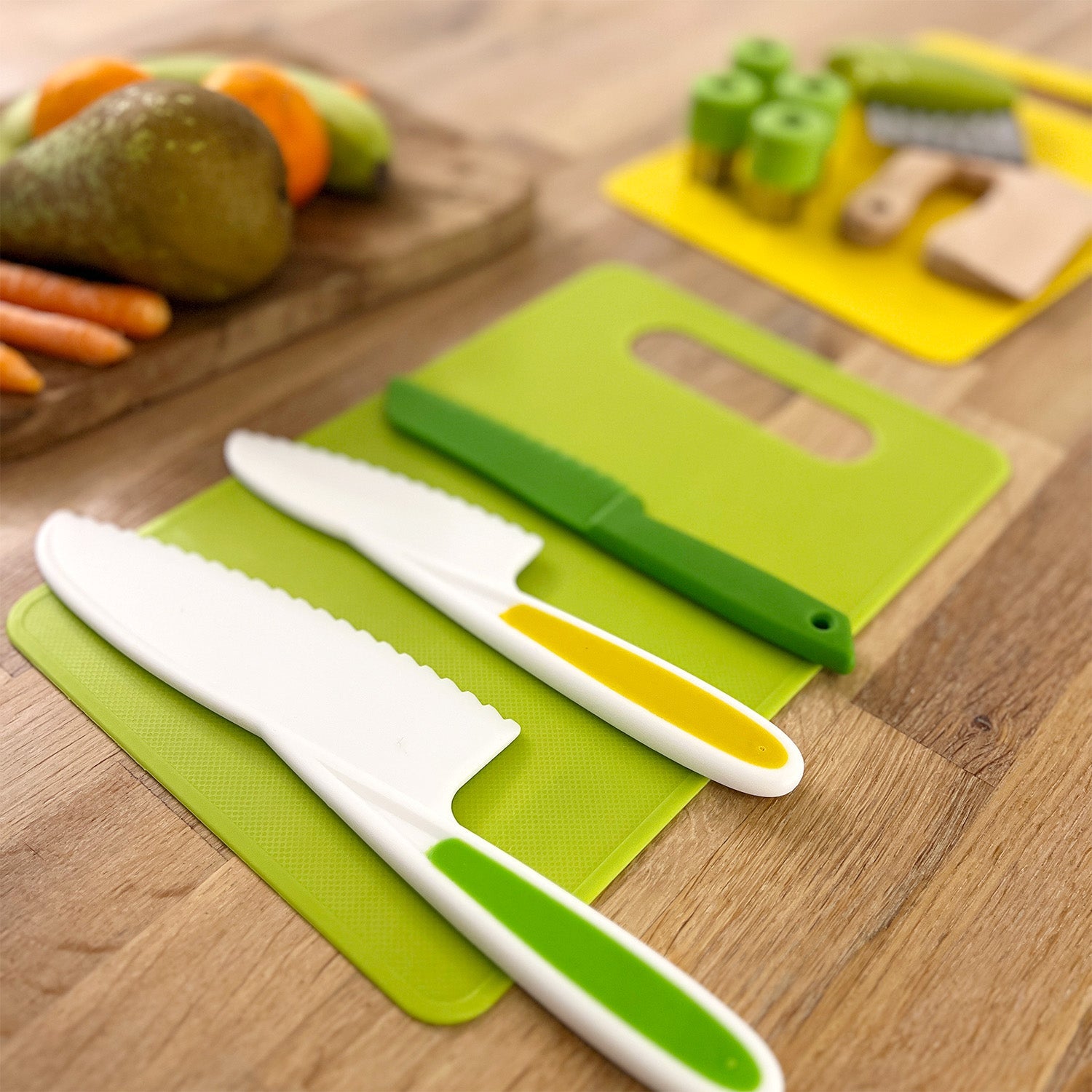
| Chef Set | 3-5 yrs | Practical life, real food preparation | Kids who want a real kitchen job |
| Wooden Fruits/Vegetables Set | 2-4 yrs | Fine motor, food preparation play | Practising "cutting" before real knives |
| Travel Potty | 18 months+ | Toileting independence | Potty training on the go |
Wooden Busy Board

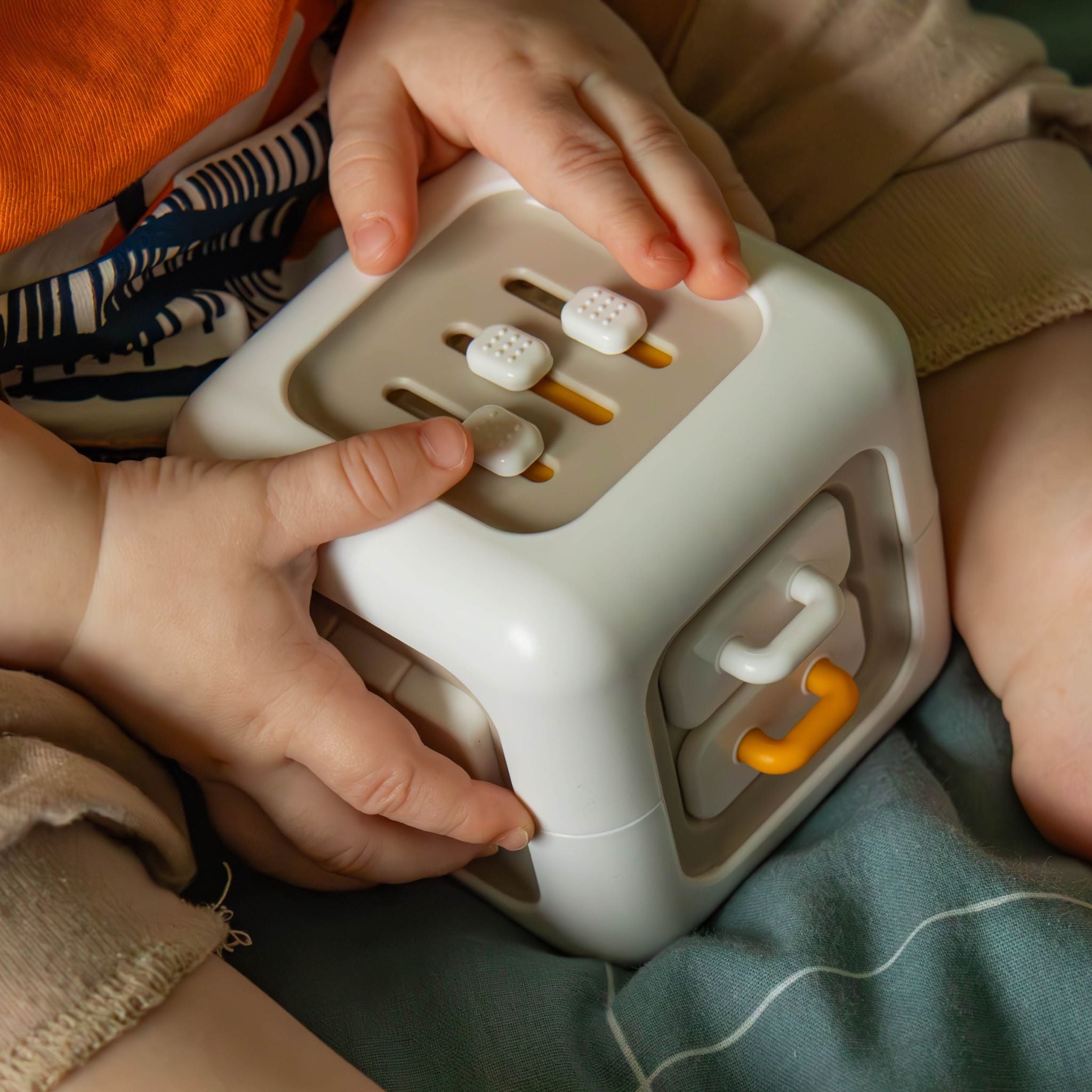
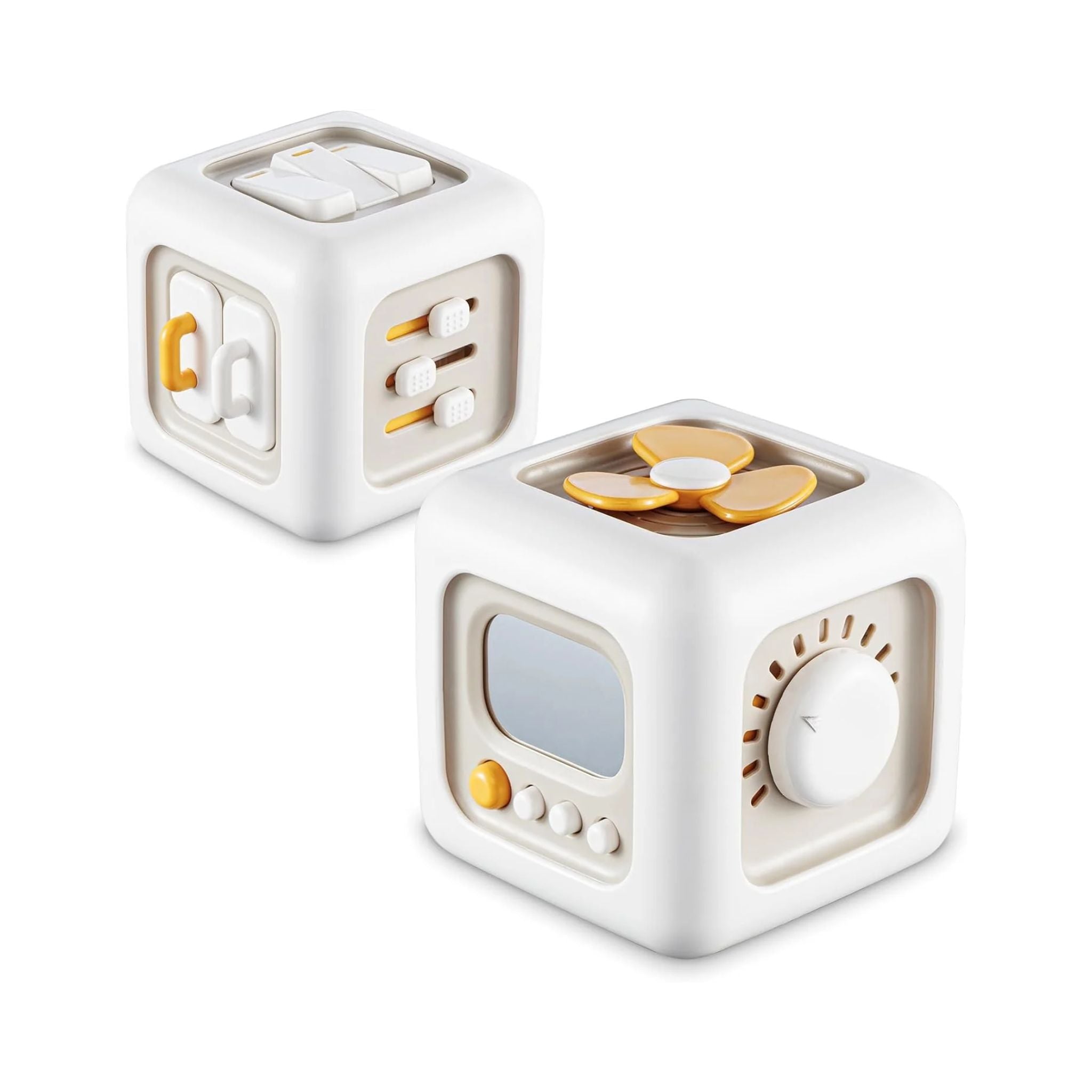
Every parent has watched a toddler get quietly furious at a button. This board of zips, buckles, laces and latches turns that frustration into practice, away from the pressure of an actual coat. It is one of the most direct forms of practical life there is: the exact fine motor work a child needs before they can dress themselves. See the Wooden Busy Board →
Wooden Coffee Machine

Children copy what they see, and what they see most mornings is a grown-up making coffee. This set lets them recreate the whole sequence themselves, from grinding to pouring to serving, building the kind of ordered, step-by-step thinking that practical life is all about. See the Wooden Coffee Machine →
Wooden Afternoon Tea Set

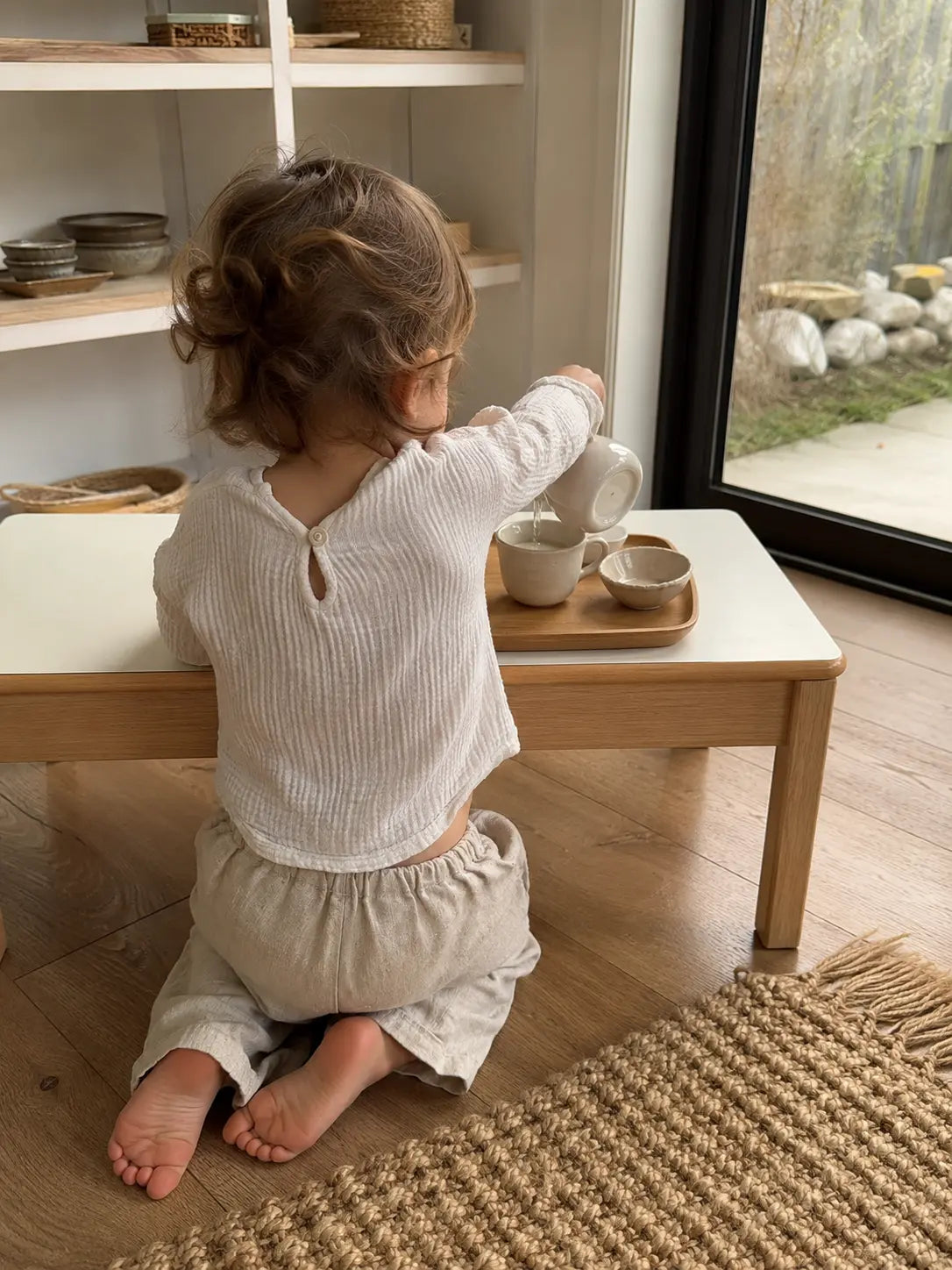
Laying a table, pouring for a guest, and offering something you have made yourself is practical life with a social layer added. A tea set gives a toddler a reason to practise care and hospitality, one small cup at a time. See the Wooden Afternoon Tea Set →
Chef Set

Nothing says "I helped make dinner" quite like a child-sized set of real kitchen tools. Chopping, stirring and serving are practical life in their purest form: useful work a child can genuinely contribute, not busywork invented to keep them occupied. See the Chef Set →
Wooden Fruits/Vegetables Set

Before a child is ready for a real knife, a set like this lets them practise the same motion, safely, again and again. It is a small rehearsal for the day they help you make a salad for real. See the Wooden Fruits/Vegetables Set →
Travel Potty

Toileting independence is practical life too, and it does not pause for a car journey or a day out. A portable potty means a toddler in training does not lose momentum the moment you leave the house. It comes in pink and green. See the Travel Potty →
You do not need to buy anything to start
The truth about practical life is that most of it is free. Let your toddler pour their own milk from a small jug, even when it spills. Let them carry their own plate to the sink, fold a flannel, or sweep up crumbs with a small dustpan. A prepared toy can help, but the real work is handing over real tasks and trusting a child to try.
Frequently asked questions
What age do practical life activities start?
Practical life begins as soon as a toddler can walk and grasp with intention, often from around 12 to 18 months, starting with simple tasks like putting objects away or wiping up a spill, and growing in complexity through the preschool years.
Do I need special toys for practical life?
No. Real household objects, sized appropriately, are the original practical life materials. Purpose-made toys like a busy board or a chef set simply make certain skills, such as fastenings or food preparation, easier to practise safely and repeatedly.
What is the difference between practical life and other Montessori activities?
Practical life activities are drawn from everyday, real-world tasks, care of self, care of the environment, and grace and courtesy, rather than academic skills like early maths or language. They are usually the first activities a Montessori toddler is introduced to.
Looking for more ways to bring this into the kitchen specifically? See our guide to cooking with toddlers, or explore the fine motor skills these activities build in our piece on hand-eye coordination.
With love from the Montessori Toddlers team 💛