Let's start with the honest part: yes, some Montessori-labelled toys cost more than the equivalent aisle at a big toy shop. That is worth saying plainly, because most articles on this topic either dodge it or oversell it. So here is a non-defensive look at what actually drives the price, when it is genuinely worth paying, and when it is not.
Are Montessori toys worth the extra cost?
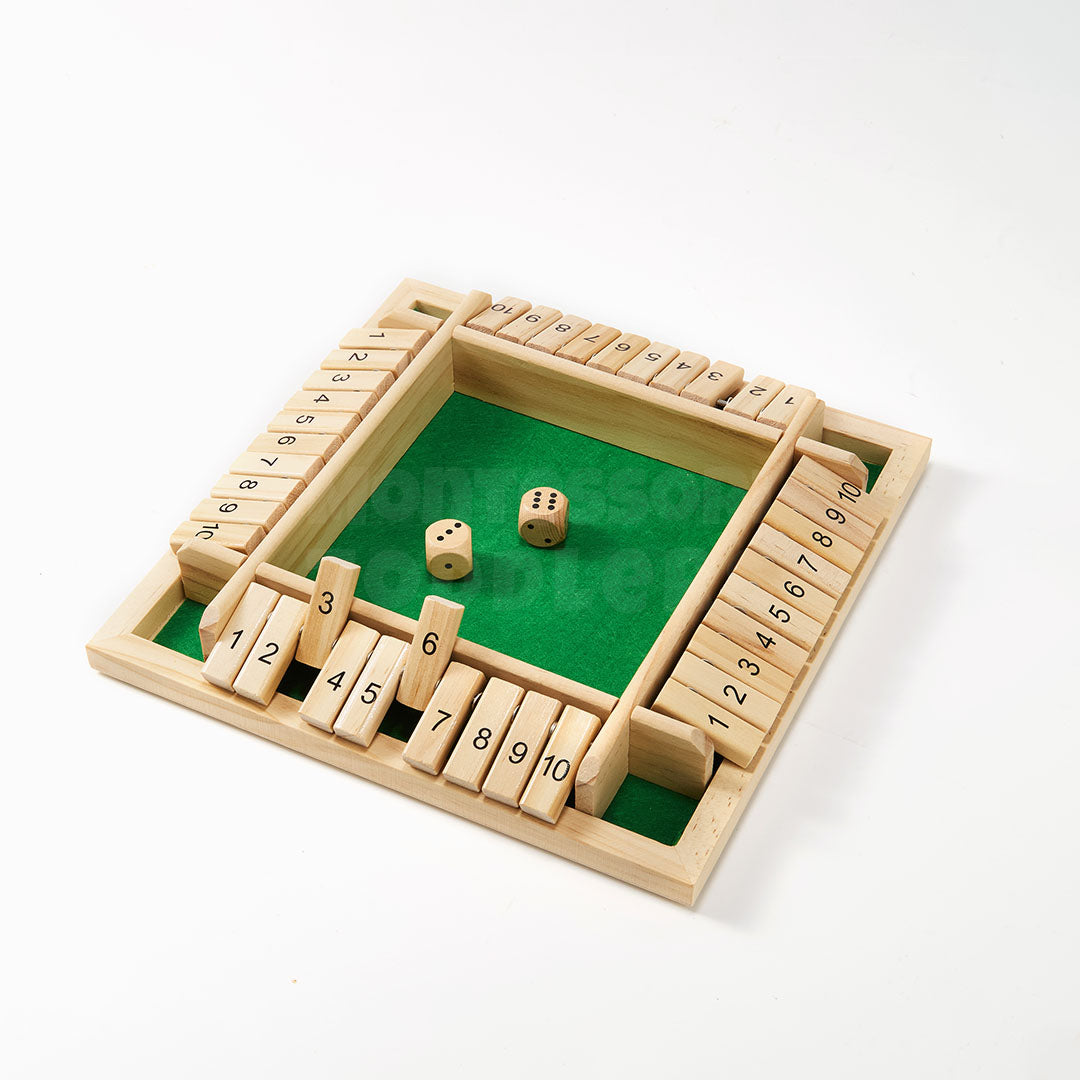
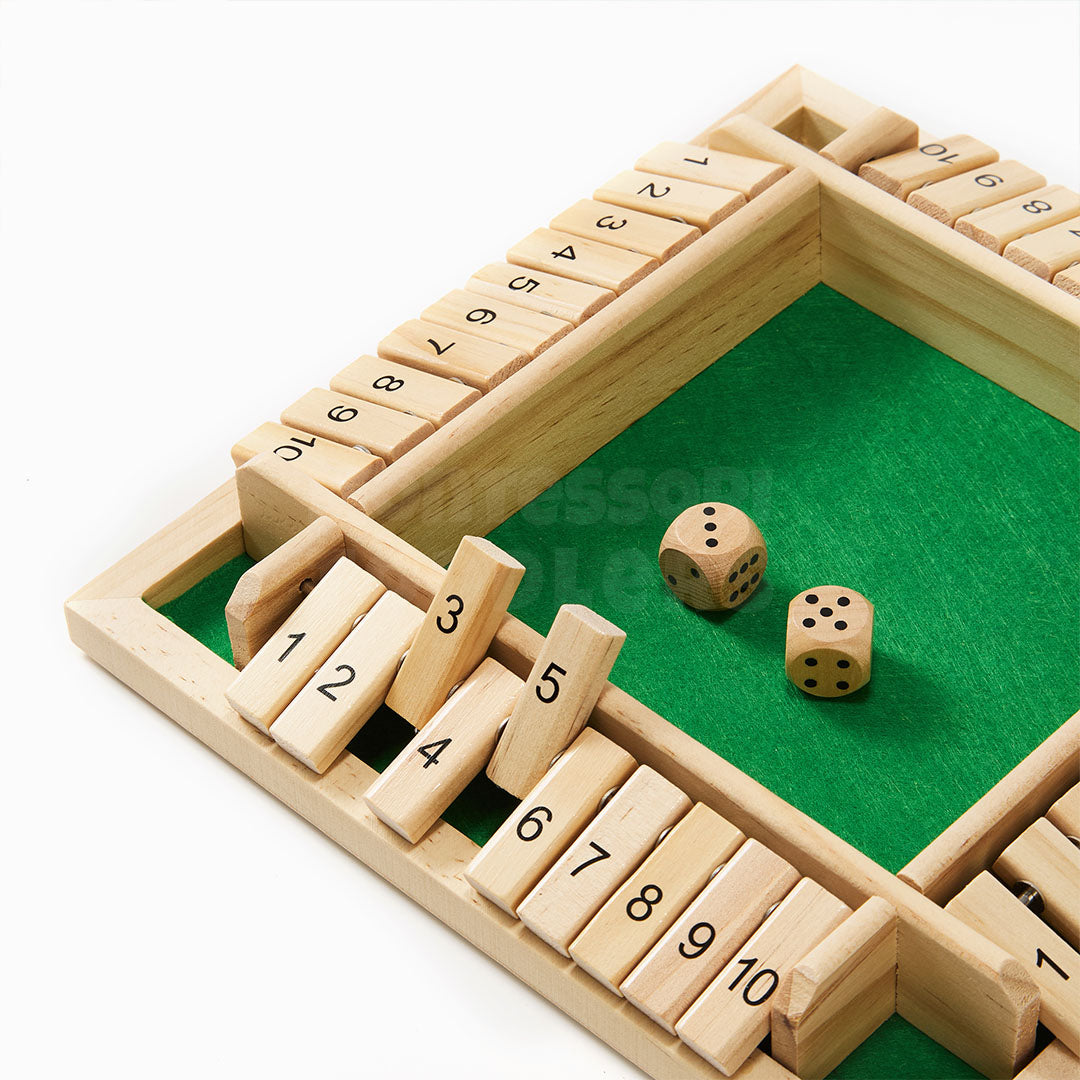
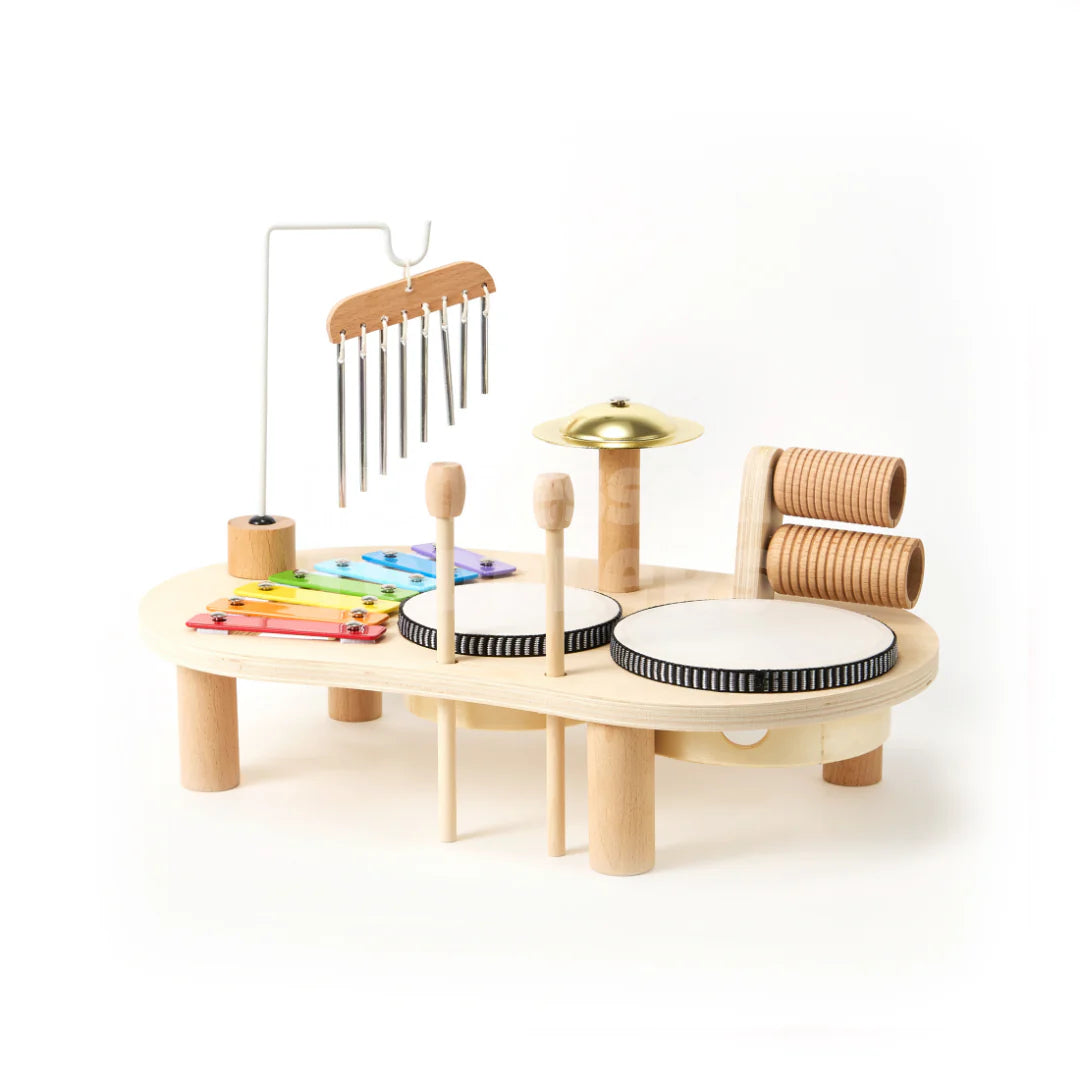
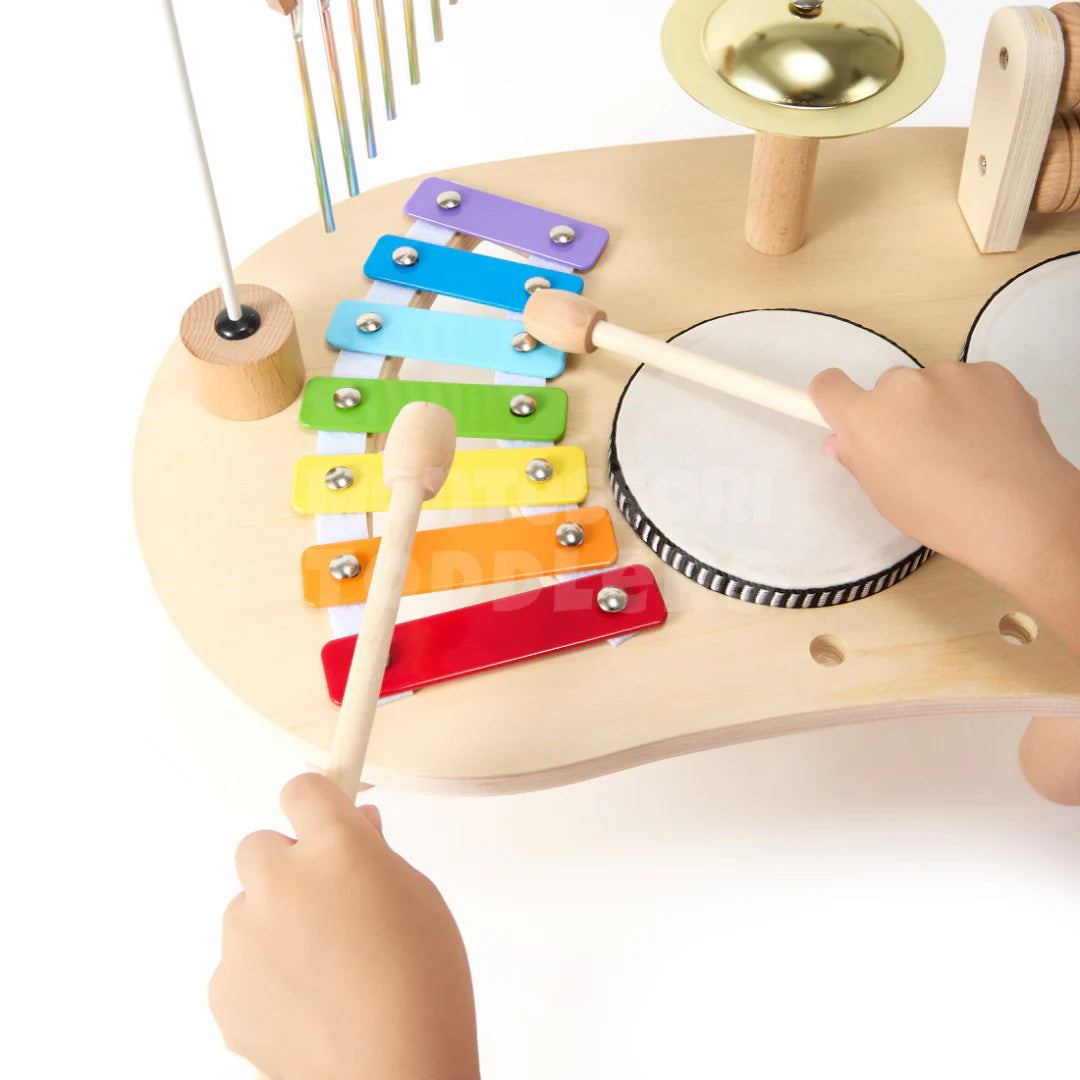
Sometimes, yes; sometimes, no. It depends entirely on the toy, not the label. A well-designed, open-ended toy that a child plays with for years and that can be handed down to a sibling or another family earns its cost through use. A toy that only carries the word "Montessori" on the box, with no real design behind it, does not, whatever it costs. The premium is only worth paying when it buys something real: better materials, more thoughtful design, or a longer useful life.
What actually makes a Montessori toy more expensive?
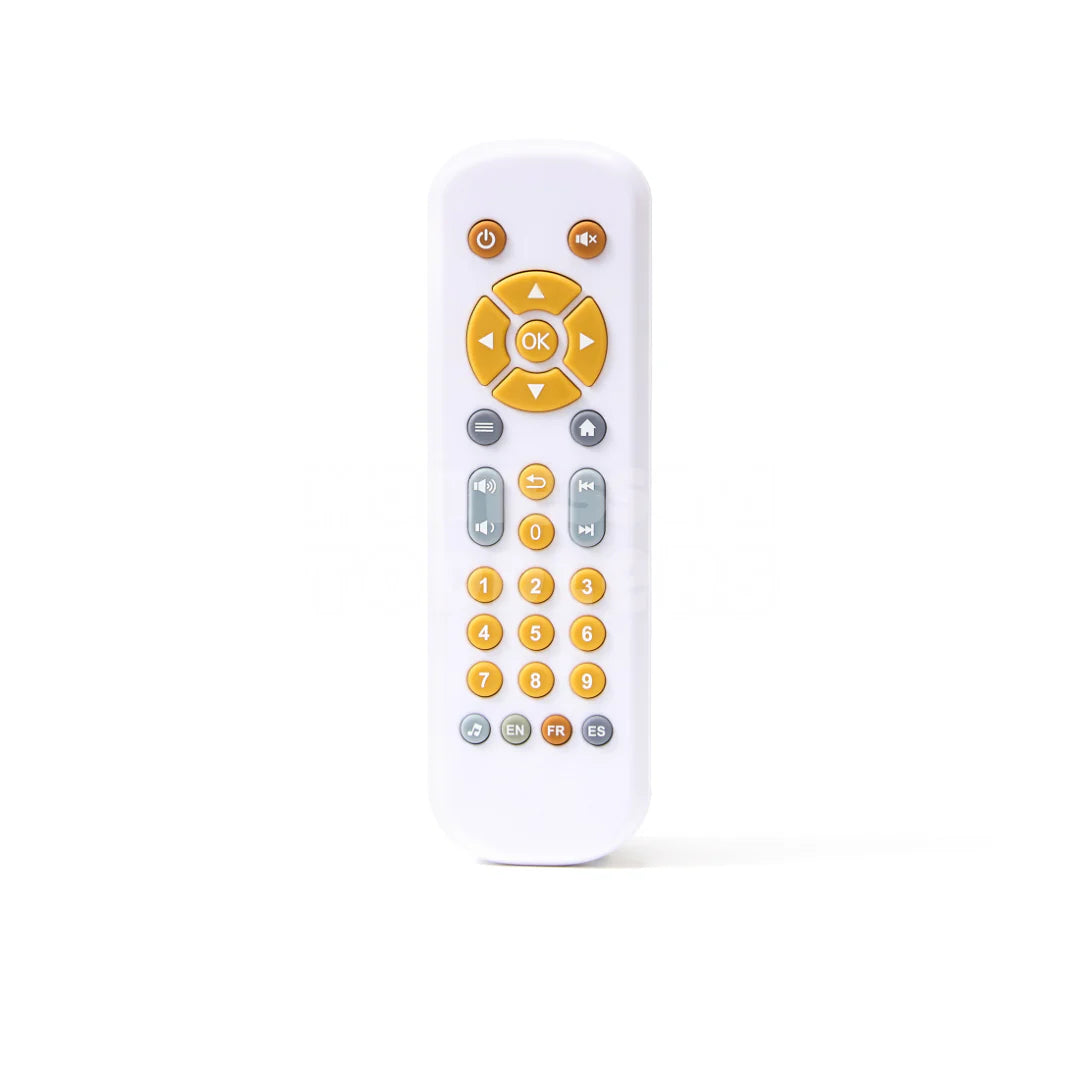
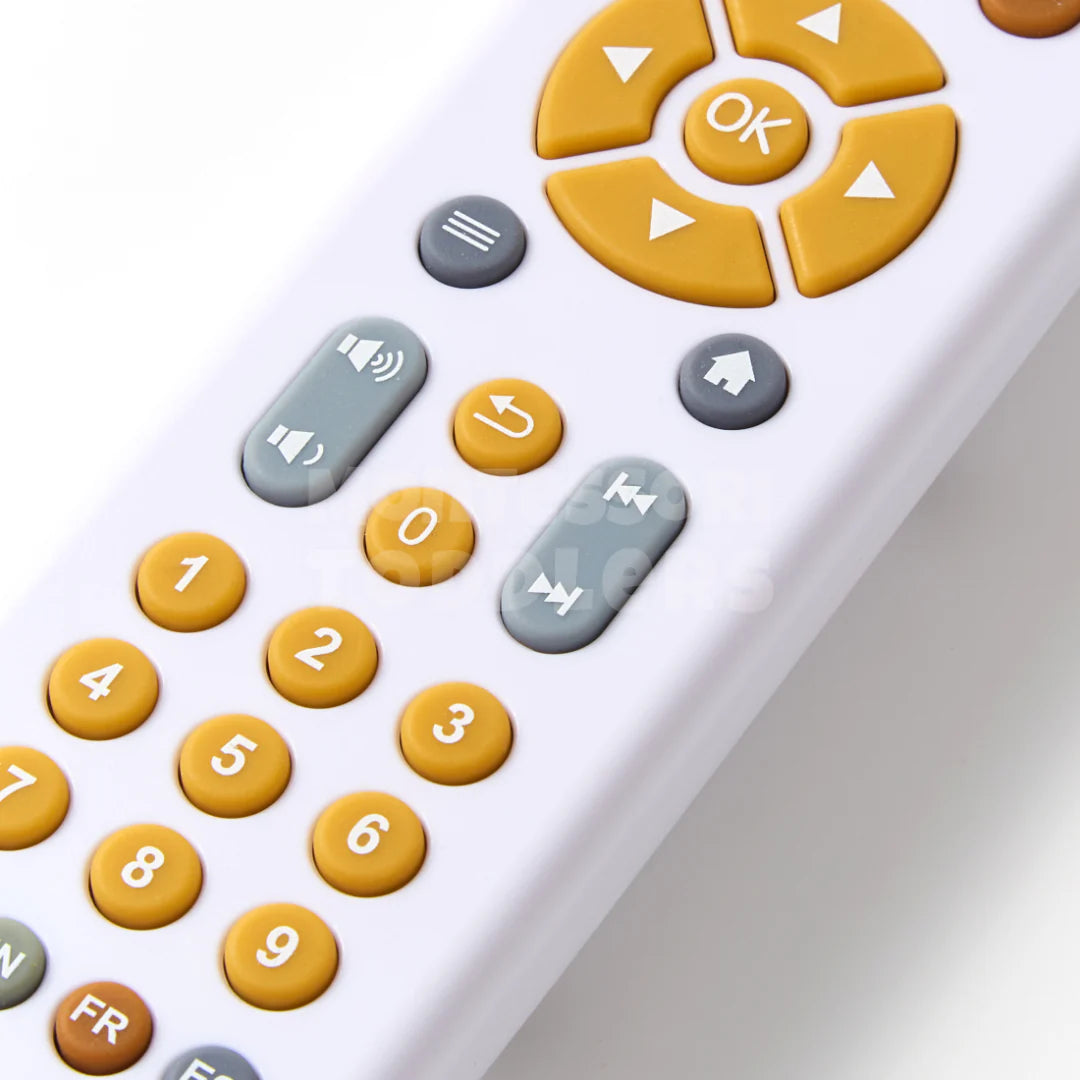
A handful of real factors, not markup for its own sake. Solid wood costs more to source and machine than moulded plastic. Toys designed to be self-correcting (the piece fits or it doesn't, with no light or sound telling the child the answer) take more design iteration to get right than a toy that just needs batteries and a speaker. Small-batch or made-to-order production, which many genuinely Montessori-aligned toys use, costs more per unit than a container-ship run of identical plastic. And a toy built to survive years of daily handling, then a second childhood as a hand-me-down, is made to a different standard than one built to survive a single Christmas morning.
None of that means every expensive toy is worth it. It means that when a toy IS worth its price, one of those reasons is usually why.
Can you do Montessori on a budget?
Yes, and this is the part that gets lost in a lot of Montessori marketing. The method is a set of principles, not a shopping list: follow the child, offer one clear skill at a time, let the material give the feedback instead of you. None of that requires the priciest item in the shop. Our own Toddlers Soft Books are a good example of a genuinely budget-friendly starting point: simple, tactile, open-ended, and nowhere near the top of anyone's price list.

If you want a fuller picture of matching toys to budget and to age, our guide to choosing Montessori toys from birth to five covers both.
Is it better to buy one well-made toy or several cheap ones?
Usually, one well-made toy, and the research backs this up. In our piece on what actually matters comparing Montessori and traditional toys, we cover a 2018 study (Dauch et al.) that found toddlers given 4 toys played longer, more creatively, and with deeper focus than toddlers given 16. More toys, especially more cheap and quickly-forgotten ones, tends to mean shallower play, not richer play. A shelf with three or four toys a child returns to for months is doing more developmental work than a toy box crammed with things bought on impulse and abandoned within a week.
| A cheap novelty toy | A well-designed open-ended toy | |
|---|---|---|
| Skill scope | One narrow trick, often scripted by lights or sound | Grows with the child; the same object teaches something new at 2, 3 and 4 |
| Expected lifespan | Interest fades within days or weeks; parts often break | Holds up to years of daily handling |
| Hand-me-down potential | Rarely survives to a second child in usable condition | Often passed to a sibling, a cousin, or another family |
| Parent involvement | The toy does the entertaining; parent is a bystander | Invites a parent in: naming, counting, sitting alongside |
How do you spot a toy that's Montessori in name only?
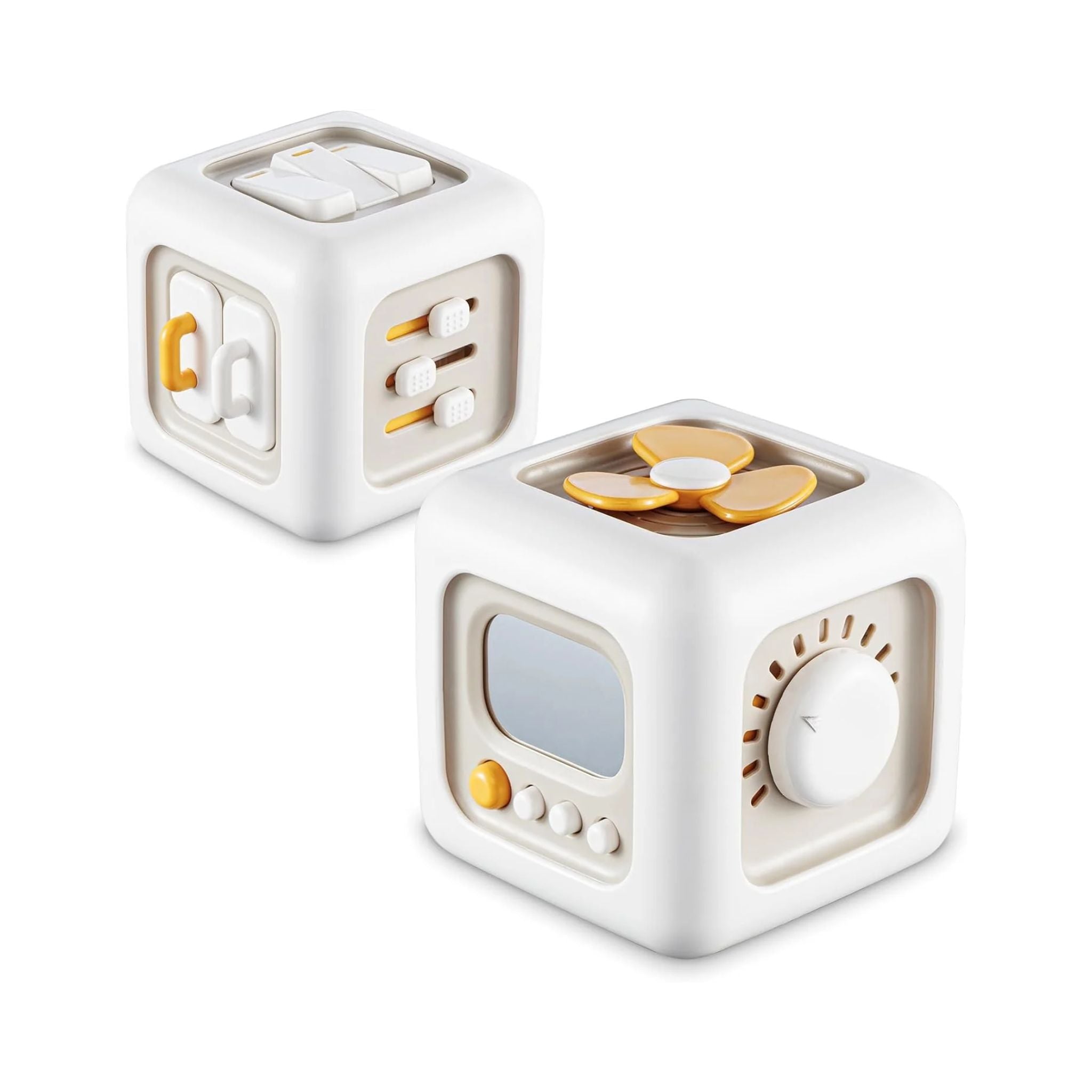
Check what the toy actually asks the child to do, not what the box says. As we explain in what actually makes a toy Montessori, the word itself is not trademarked, so it carries no legal guarantee at all. A genuine Montessori toy isolates one skill, lets the material give the feedback (the piece fits or it doesn't), and can be used in more than one way as the child grows. A busy board covered in twenty different switches and zippers, or a toy that praises the child with a recorded voice, can wear the label and still miss the principle entirely.
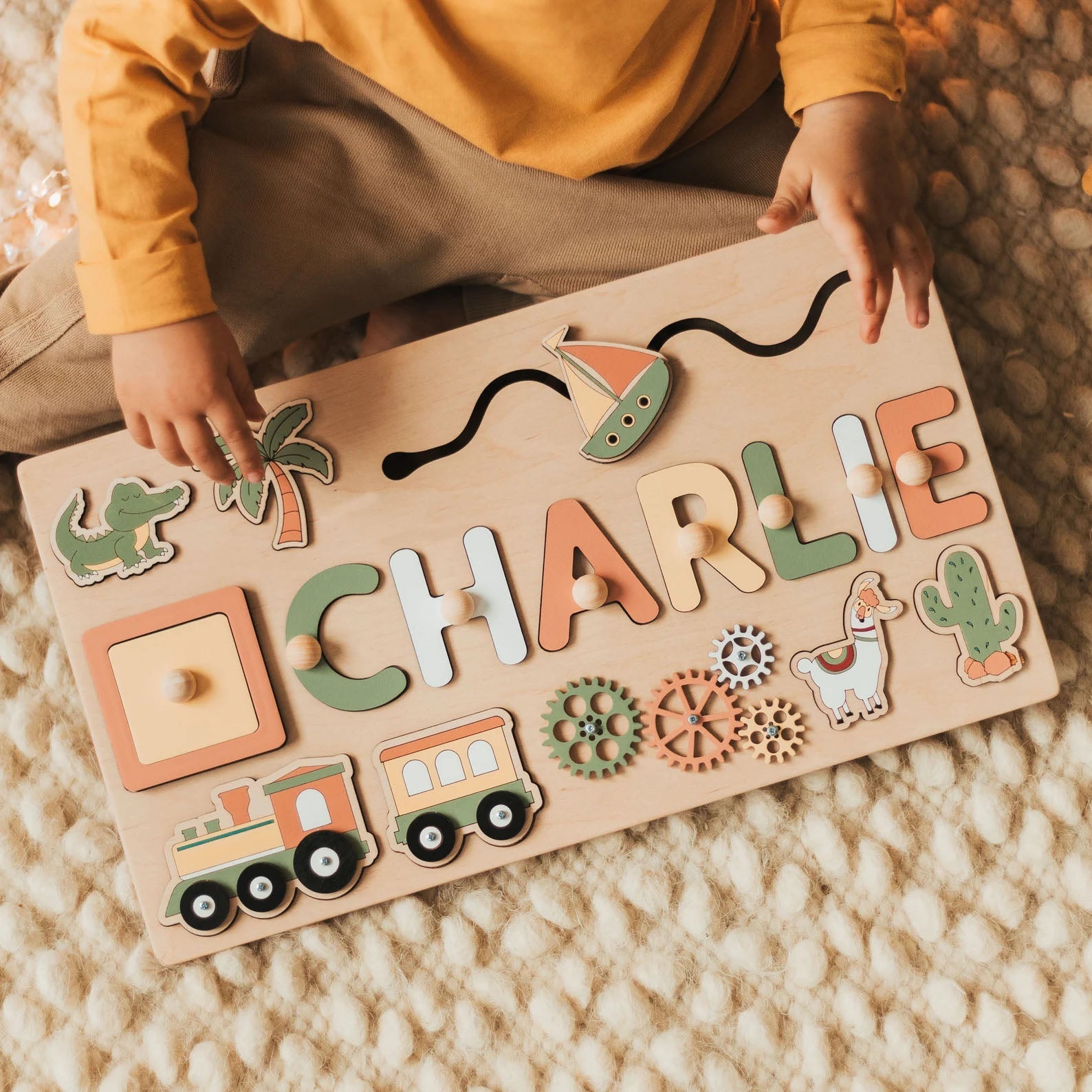
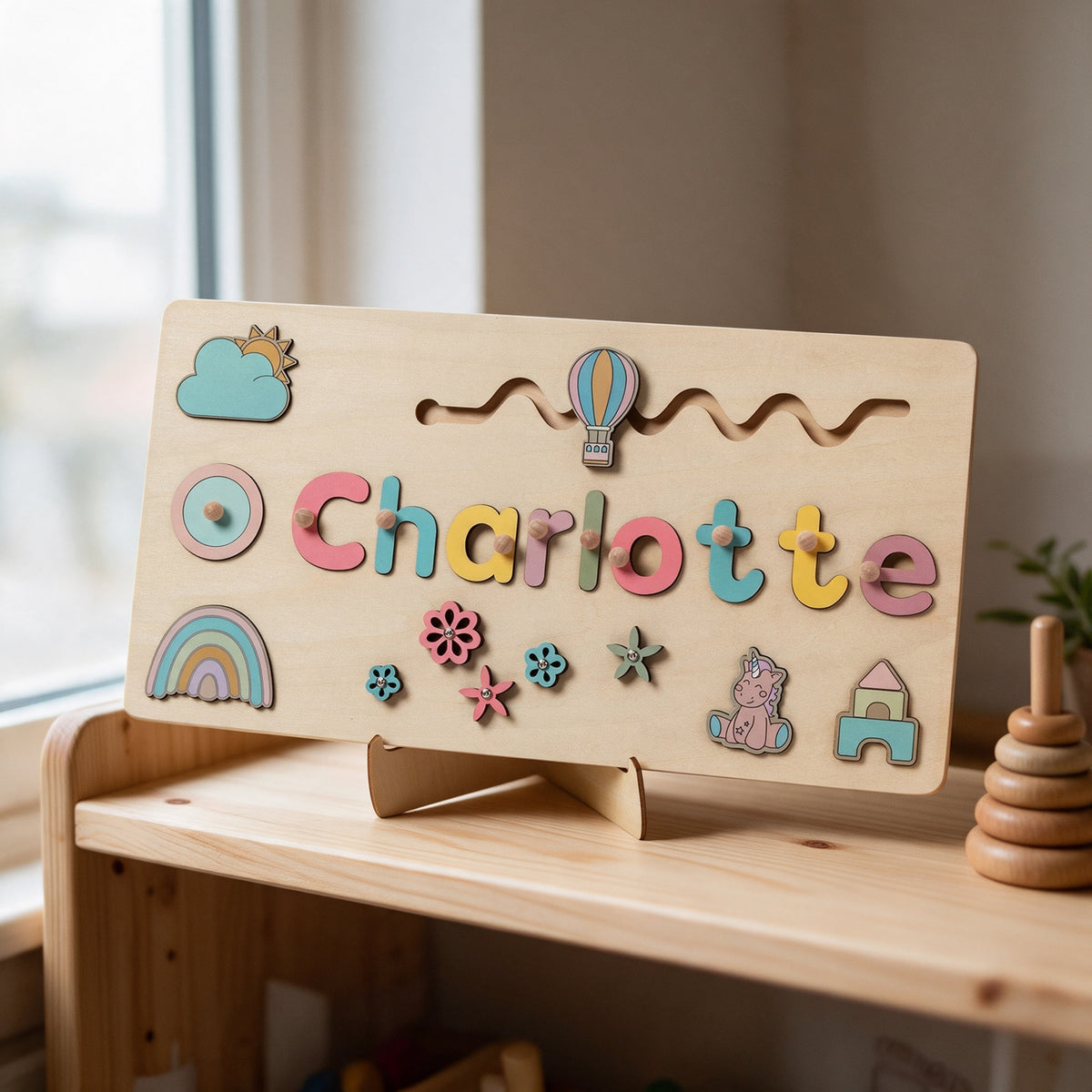
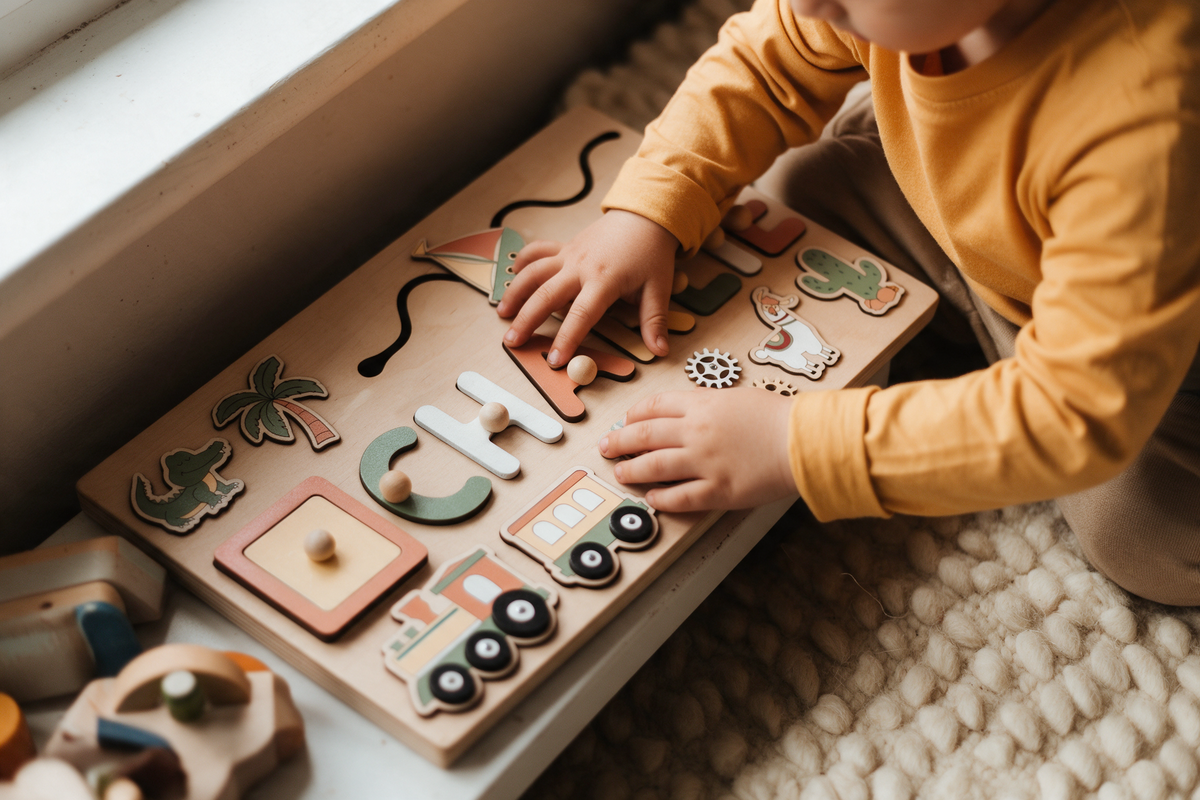
This is exactly where a toy can earn a premium honestly. A Personalized Wooden Puzzle is one we can point to directly: it starts as simple shape-matching for a toddler, grows into letter-naming, and later becomes early writing practice and a genuine keepsake with the child's own name on it. One object, several years of real use, and often still on a shelf long after the child has moved on to something else. That is what "worth it" looks like in practice.
Weighing whether a subscription box or curating toys yourself gets you better value? We cover that separate question in our honest look at subscription boxes versus curating your own.
Frequently asked questions
Are Montessori toys worth the extra cost?
Sometimes. A well-designed, open-ended toy that gets used for years and can be handed down earns its cost. A toy that only carries the Montessori label without real design behind it does not, regardless of price.
What makes a Montessori toy more expensive than a regular toy?
Usually one of a few real factors: solid natural materials over moulded plastic, more design work to make the toy self-correcting rather than battery-powered, small-batch or made-to-order production, and construction built to survive years of use and a second childhood as a hand-me-down.
Can you do Montessori on a budget?
Yes. Montessori is a set of principles (follow the child, one clear skill at a time, feedback built into the material) rather than a shopping list, and plenty of simple, inexpensive toys and household objects meet those principles just as well as premium ones.
Is it better to buy fewer expensive toys or more cheap ones?
Research on toddlers given 4 toys versus 16 found the smaller set produced longer, more creative, more focused play. Fewer, better toys generally outperform a large pile of cheap ones.
Are all toys labelled 'Montessori' actually worth buying?
No. The word "Montessori" is not trademarked, so any toy can carry it regardless of whether it follows the method's actual principles. Judge the toy by what it asks the child to do, not by the label on the box.
With love from the Montessori Toddlers team 💛