Somewhere between the third and fourth box of the year, a lot of parents start asking the same question: are we still choosing these toys, or is the subscription choosing them for us? Subscription toy boxes are not a bad idea, they solve a real problem, but they are also not the only way to keep a shelf of Montessori-aligned toys stocked at the right stage. Here is an honest look at the trade-off, and when buying pieces yourself makes more sense.
What do you get with a Montessori subscription box, and what's the trade-off?
A subscription box like Lovevery or a general Montessori-style crate ships a set of toys matched to your child's age on a recurring schedule, usually with a guide explaining the skill each piece targets. You get convenience and a genuine developmental logic behind the selection. The trade-off is control: you don't choose the individual pieces, you can end up with items your child already has in some form, and the schedule is set by the box, not by what your child is actually into this month.
When does a one-time purchase make more sense than a subscription?
Buying pieces yourself makes more sense once you have a reasonable sense of your child's current stage and interests; a subscription earns its keep more in the early months when you genuinely don't know what's coming next. If your toddler is obsessed with sorting and stacking right now, a one-time purchase aimed squarely at that interest usually gets more real play than a general box waiting to arrive on its own schedule.
| Approach | Cost pattern | What you control | Best for |
|---|---|---|---|
| Subscription toy box | Recurring, ongoing | Very little; the box picks the toy and the timing | The first year, when you're still learning what your child gravitates to |
| Curating pieces yourself | One-time, per item | Everything: the toy, the stage, the timing | Once you know your child's current interests and stage well |
| A mix of both | A recurring box plus occasional extras | Partial; you top up gaps the box doesn't cover | Families who like the guide but want to fill specific interests too |
Are subscription boxes actually good for some families?
Yes, genuinely. If you find toy selection overwhelming, or you want the reassurance of a developmental guide with every delivery, a subscription removes a decision you might not want to make every month. It's also a fair way to build a shelf steadily without one large upfront choice. None of that is a mark against subscriptions; it's just a different job than curating pieces yourself does.
What does curating your own shelf actually look like?
It means picking a small number of pieces that match where your child is right now, rather than where a general age bracket assumes they are. A few examples across different stages:
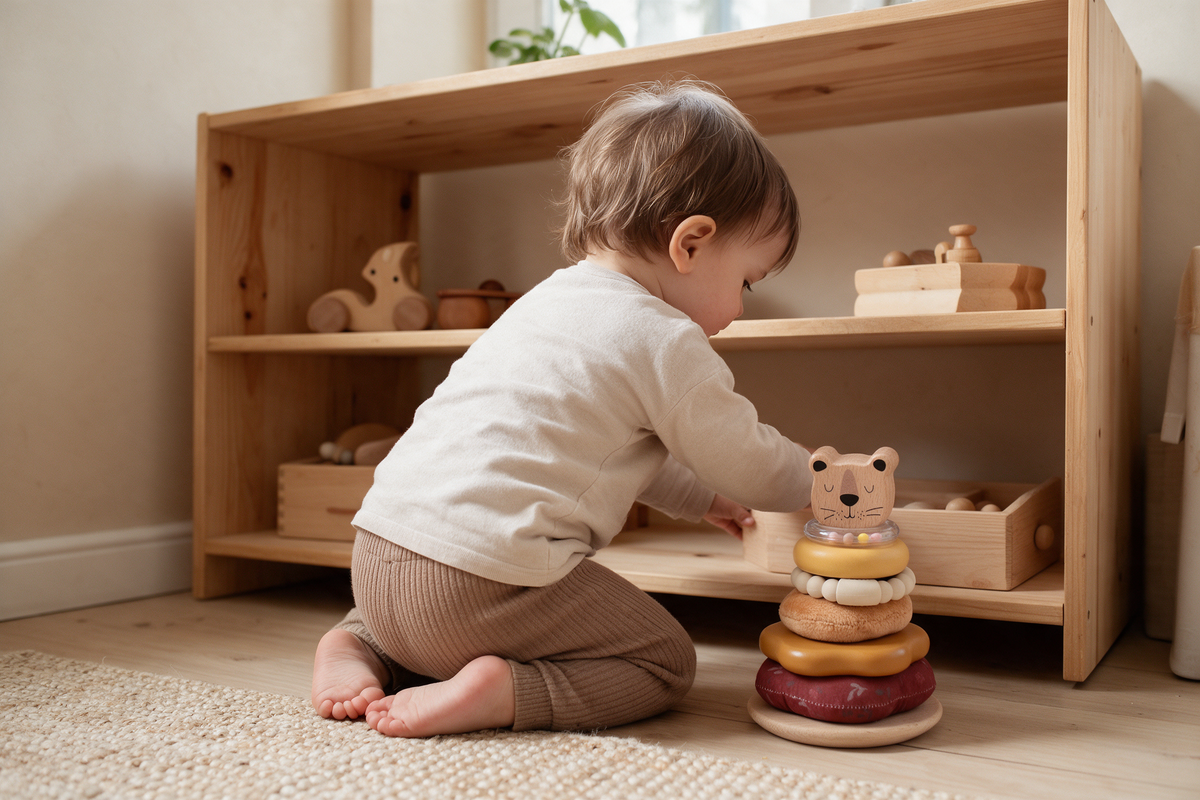
Around 12 months: Stacking & Nesting Rings

A single well-made stacking toy aimed squarely at size sequencing and grasping, chosen because your child is reaching for things to stack right now, not because a box scheduled it for month four.
Around 2-3 years: Geometric Shape Puzzle

A shape-sorting puzzle picked for a child who's already showing interest in shapes and colours, rather than a general "toddler puzzle" a box might send regardless of that interest.
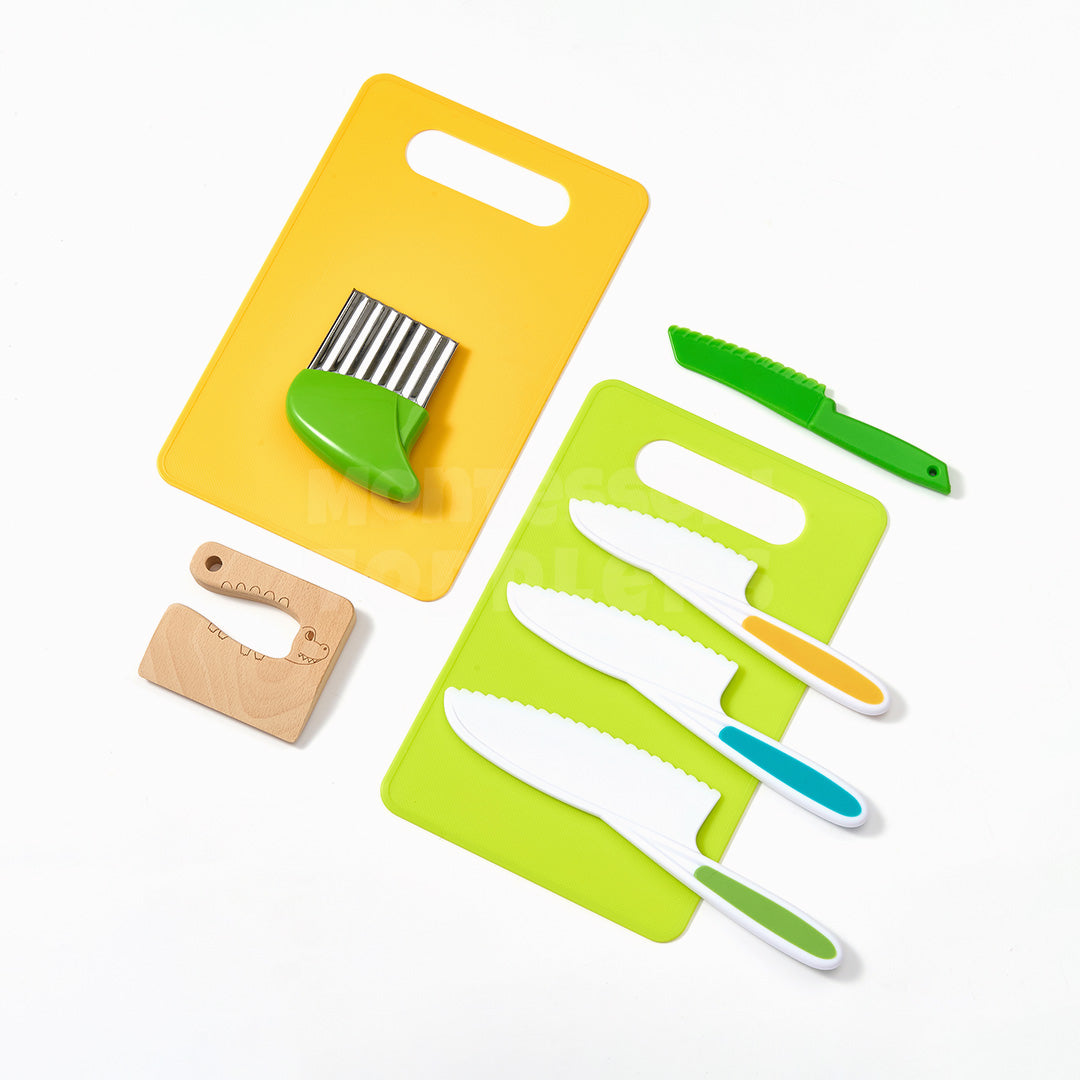
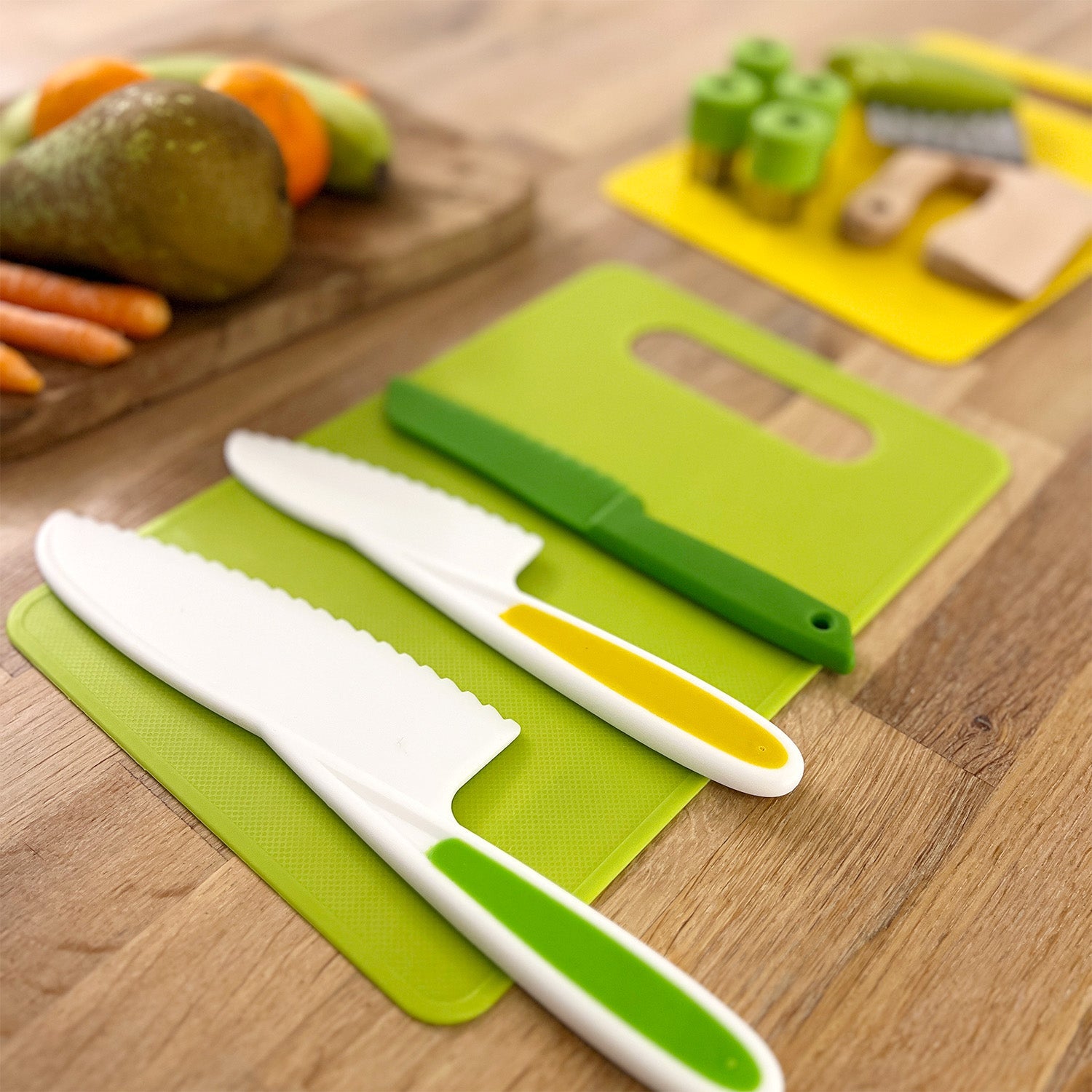
Practical life, from around 2.5 years: Chef Set

An 8-piece set built around one clear skill, real-tool coordination in the kitchen, chosen because your child is already trying to "help" cook, not slotted into a subscription's rotation.
If you'd rather compare specific brands instead of the subscription model itself, our Lovevery alternatives guide and the full brand decision guide go into more detail on individual brands.
Frequently asked questions
Are Montessori subscription boxes worth it?
For many families, yes, especially in the first year when you're still learning your child's interests. The trade-off is control: you're paying for someone else's selection and schedule rather than choosing pieces yourself.
What's the difference between a subscription box and buying Montessori toys individually?
A subscription box picks the toy and the timing for you, based on a general age bracket. Buying individually means you choose each piece for your child's specific current interest and stage, whenever you decide to buy it.
Can I cancel a Montessori subscription any time?
Most subscription toy services let you pause or cancel between shipments, but check the specific provider's terms, as policies vary and some require notice before the next billing cycle.
Is a one-time purchase cheaper than a subscription long-term?
It depends on how many pieces you'd otherwise buy. Curating a smaller, more targeted shelf yourself often costs less over a year than an ongoing subscription, but a subscription can work out well if it replaces toys you'd have bought anyway.
With love from the Montessori Toddlers team 💛