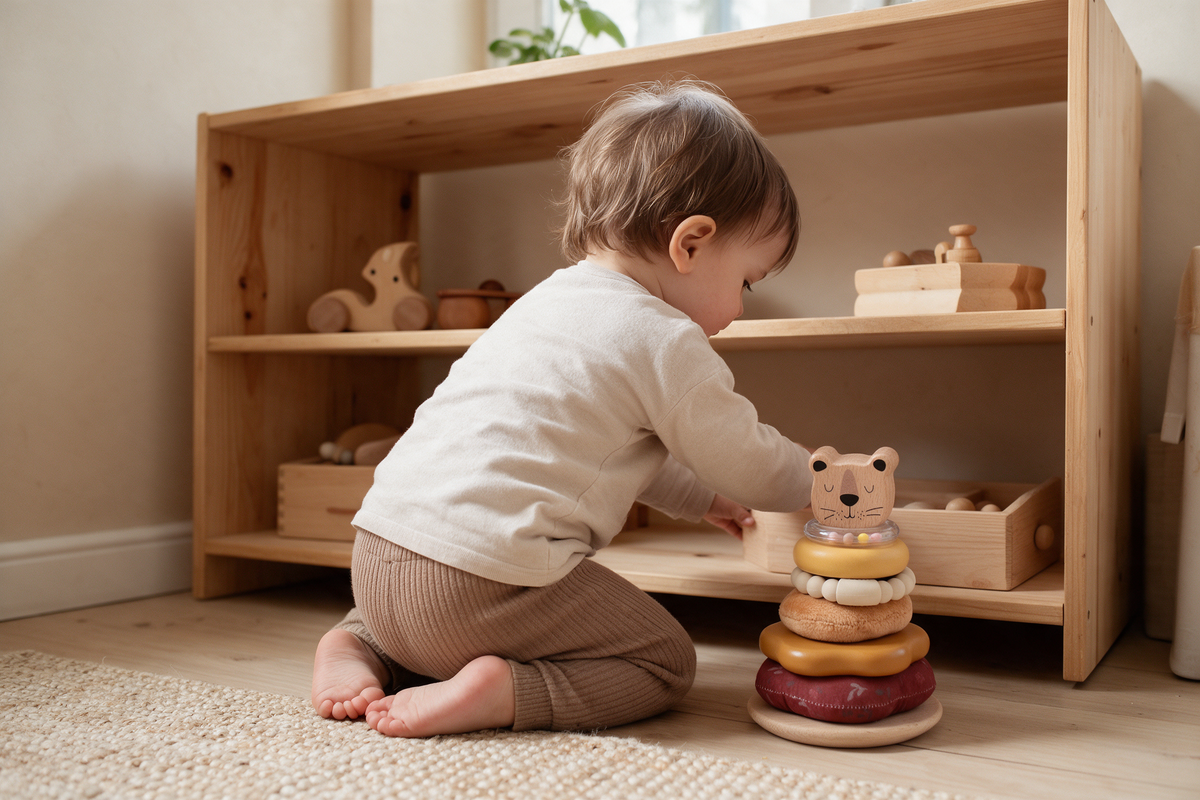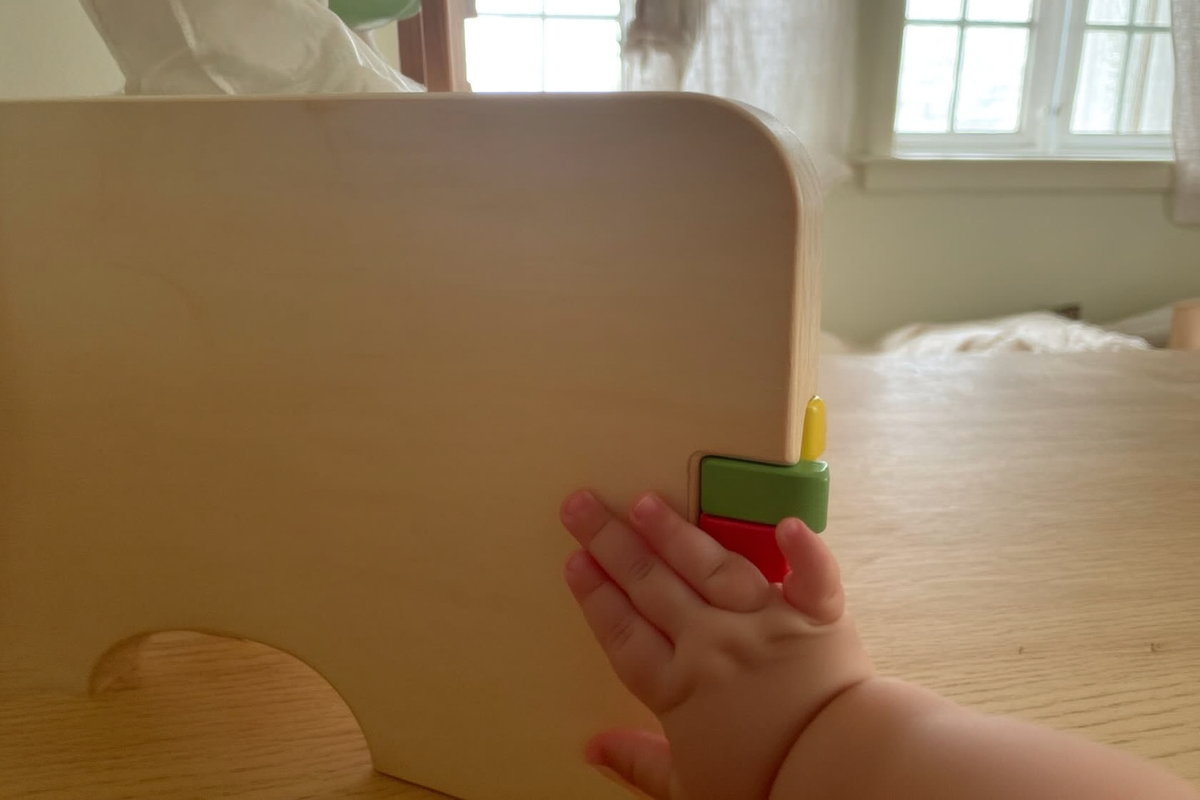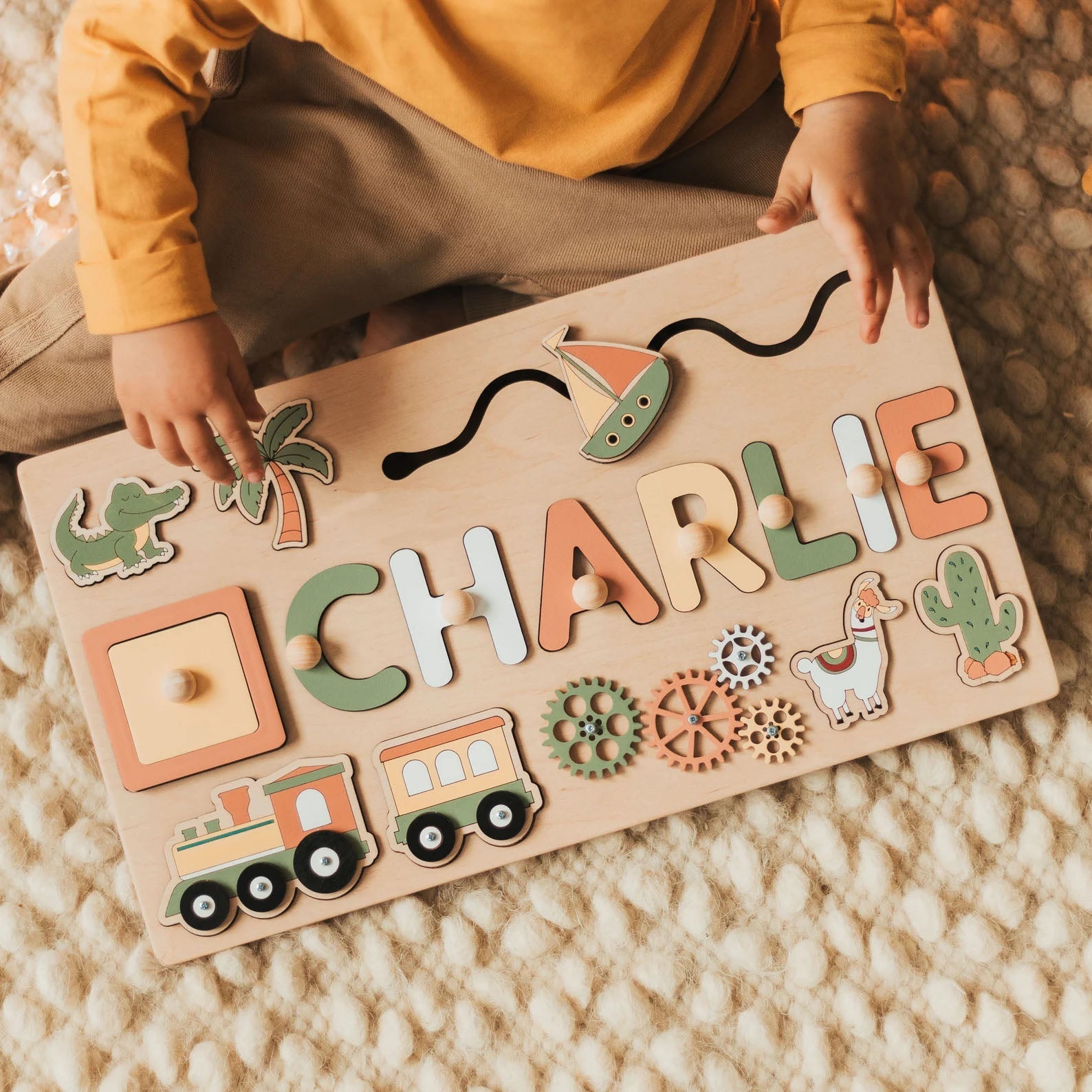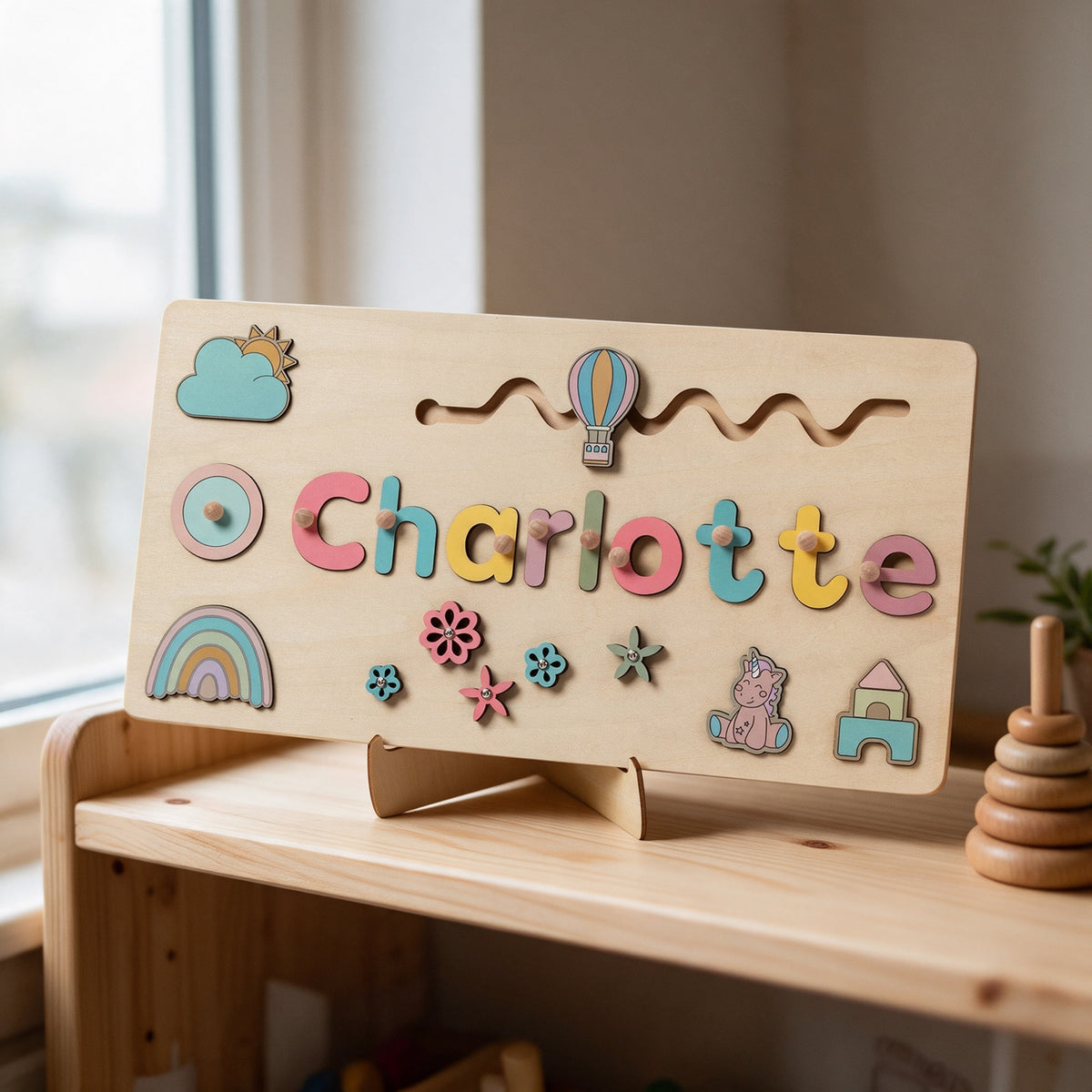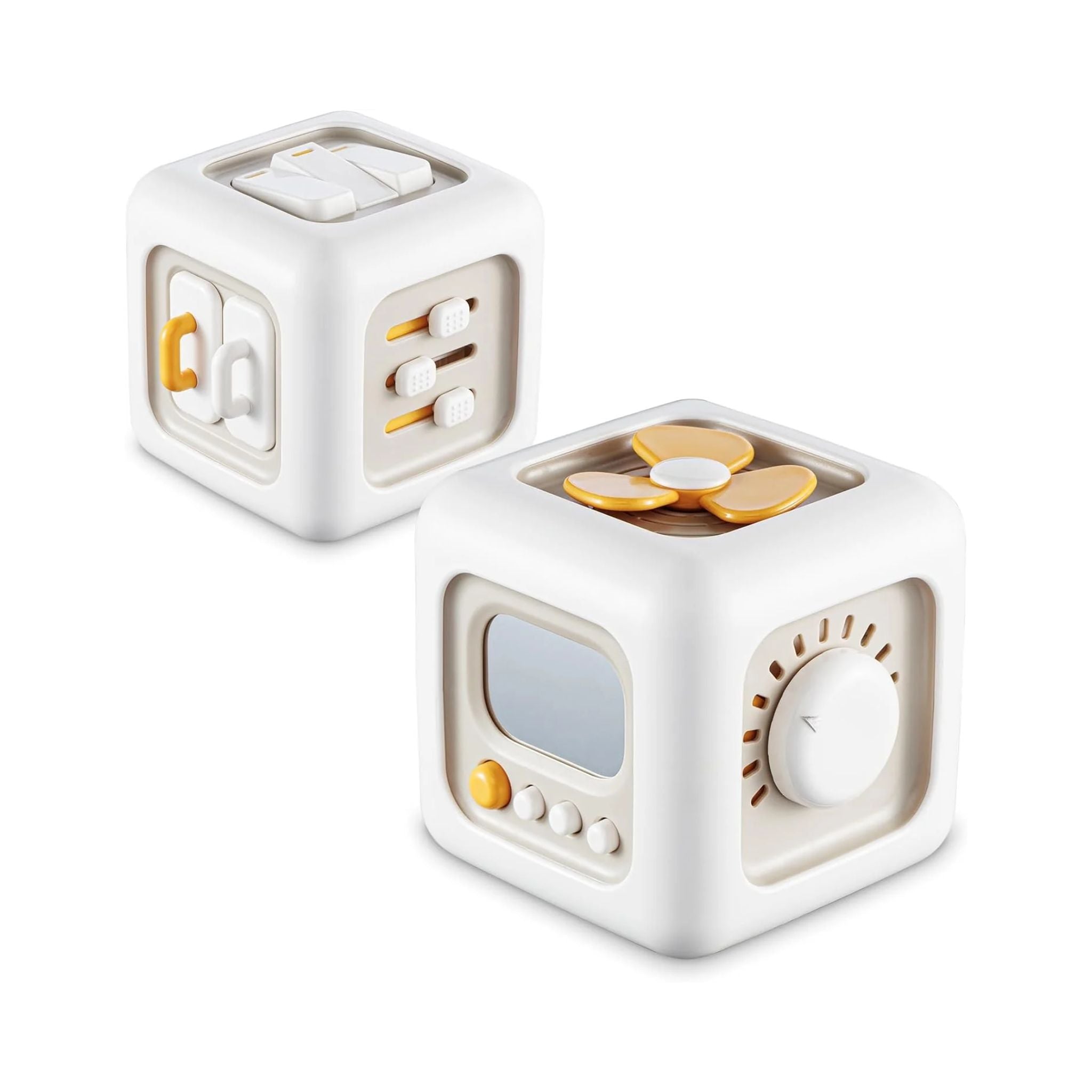
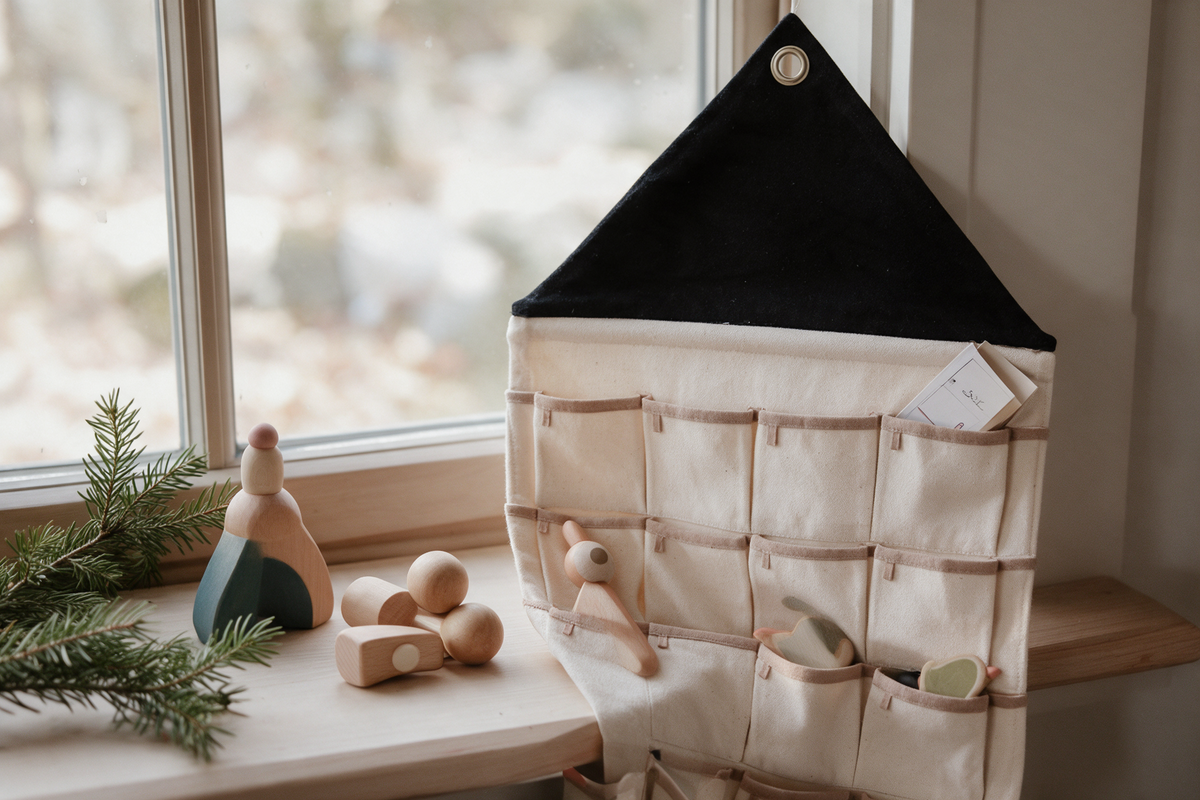
Twenty-four little plastic toys that get a five-second glance and go straight in a drawer: that is the advent calendar most of us grew up dreading a bit, even as kids. A Montessori-style advent calendar swaps most of those trinkets for something a toddler actually does each day, so December becomes less about unwrapping and more about looking forward to a small, real moment together.
What is a Montessori advent calendar?
A Montessori advent calendar is a reusable countdown, usually a set of numbered drawers, pockets or envelopes, where most days hold a simple activity or a natural object rather than a piece of packaged plastic. The idea borrows two Montessori habits: real materials over disposable ones, and a small amount of anticipation built into the day rather than a flood of new things at once.
How do you build one without buying 24 things?
You don't need 24 objects. A good rule of thumb is 6 to 8 small real fillers spread across the month, with the rest of the days holding an activity card, a note, or a tiny job your child gets to do (light the candle, choose the bedtime story, help set the table). A numbered drawer unit or a set of fabric pockets holds all of it, and you refill the same container every year instead of buying a new box.
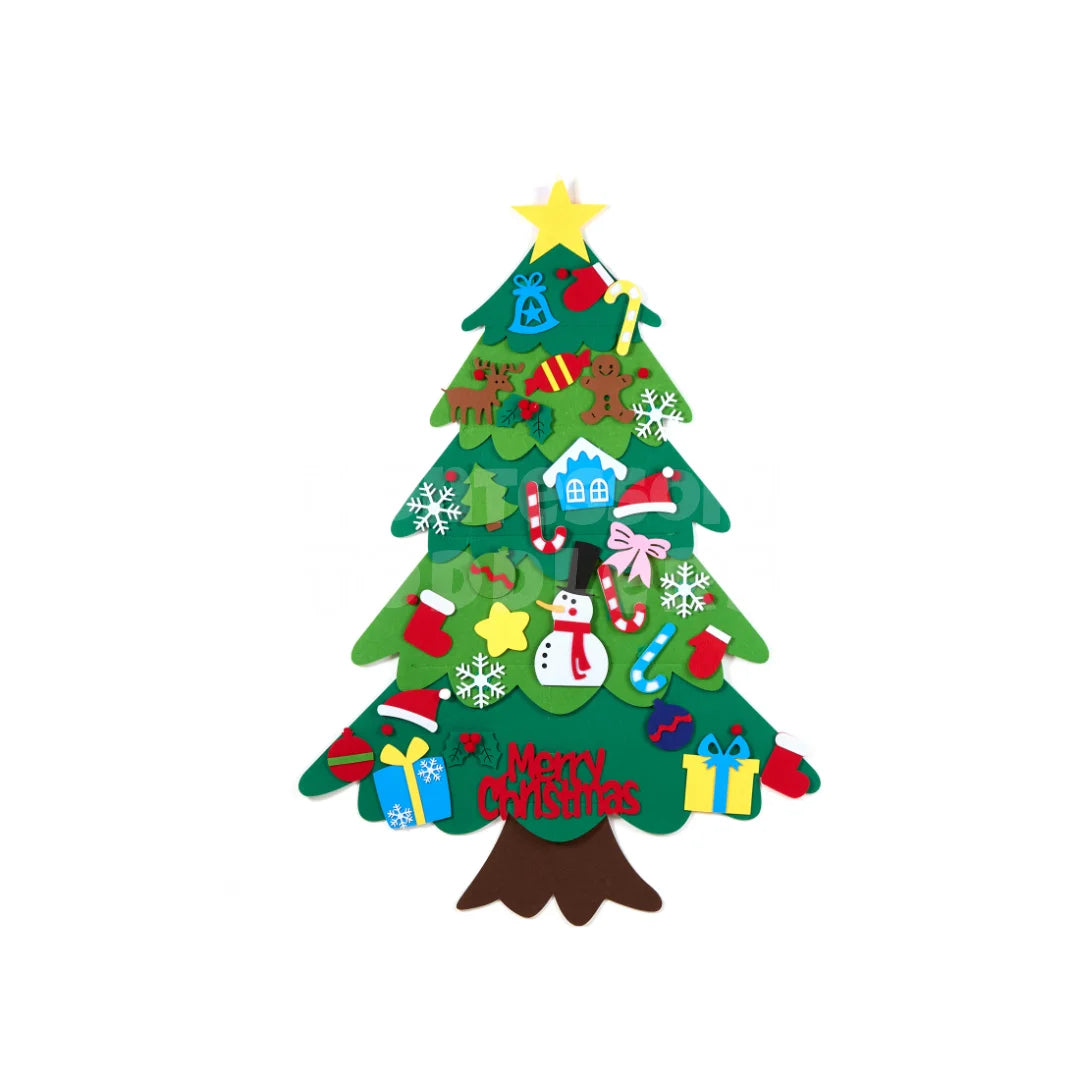
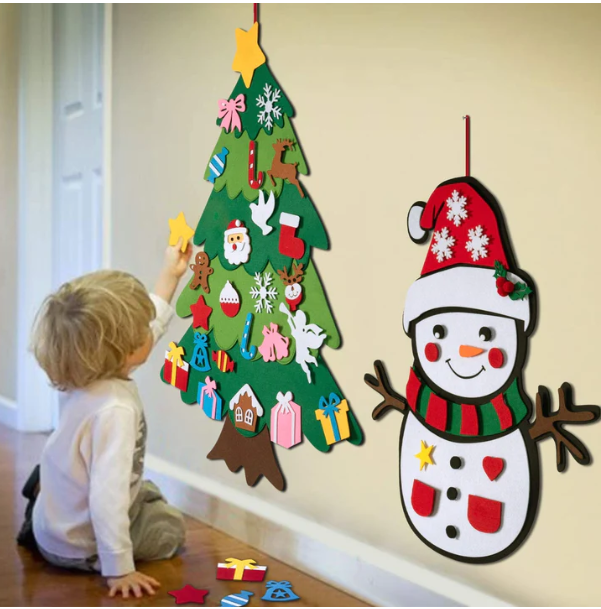
Our pick for the container: Toddlers Christmas Calendar

If you'd rather not build a drawer unit from scratch, our own Toddlers Christmas Calendar gives you a ready-made countdown container built for exactly this: fill it your own way, real objects on the days that matter, and reuse it every December after this one.
What should actually go in each day?
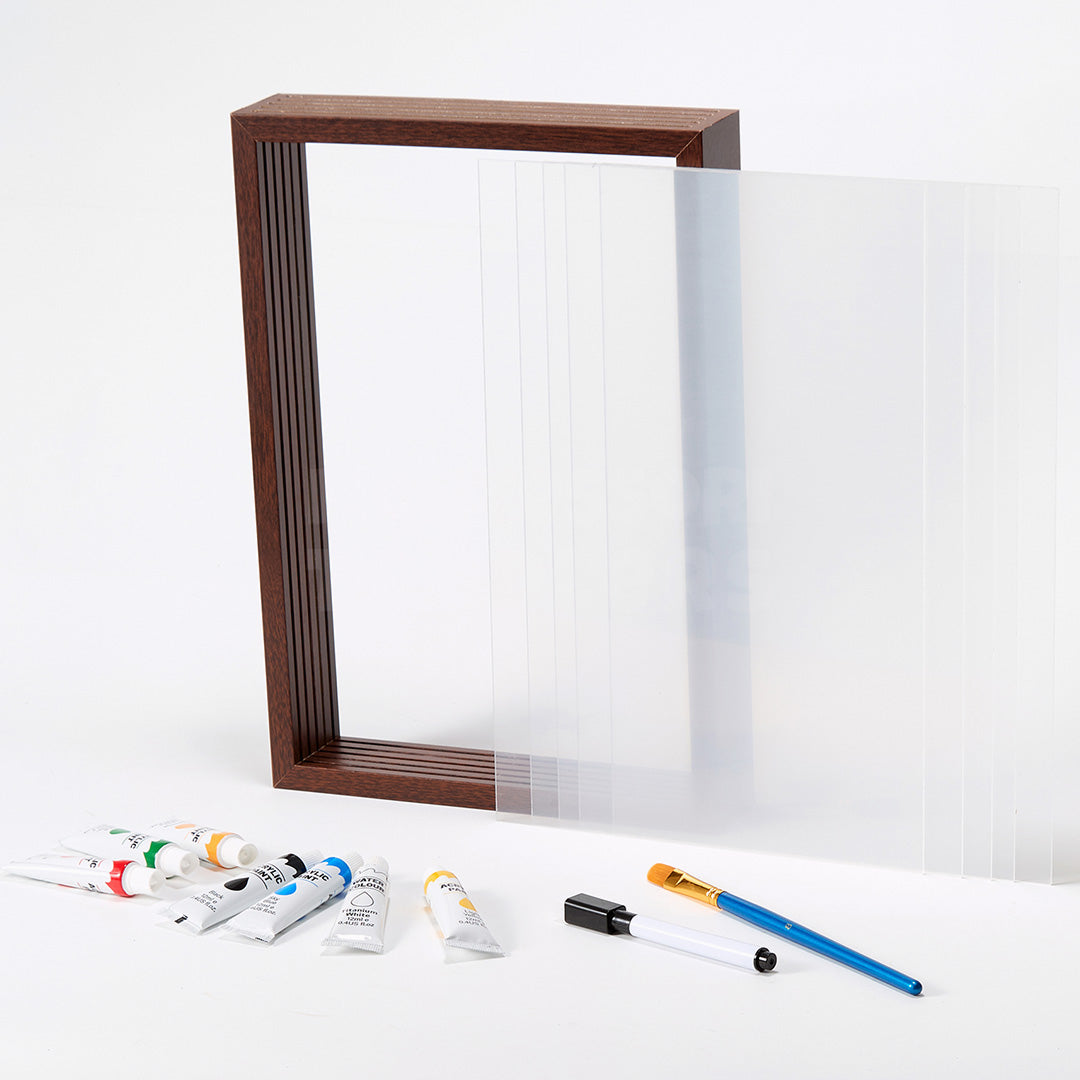
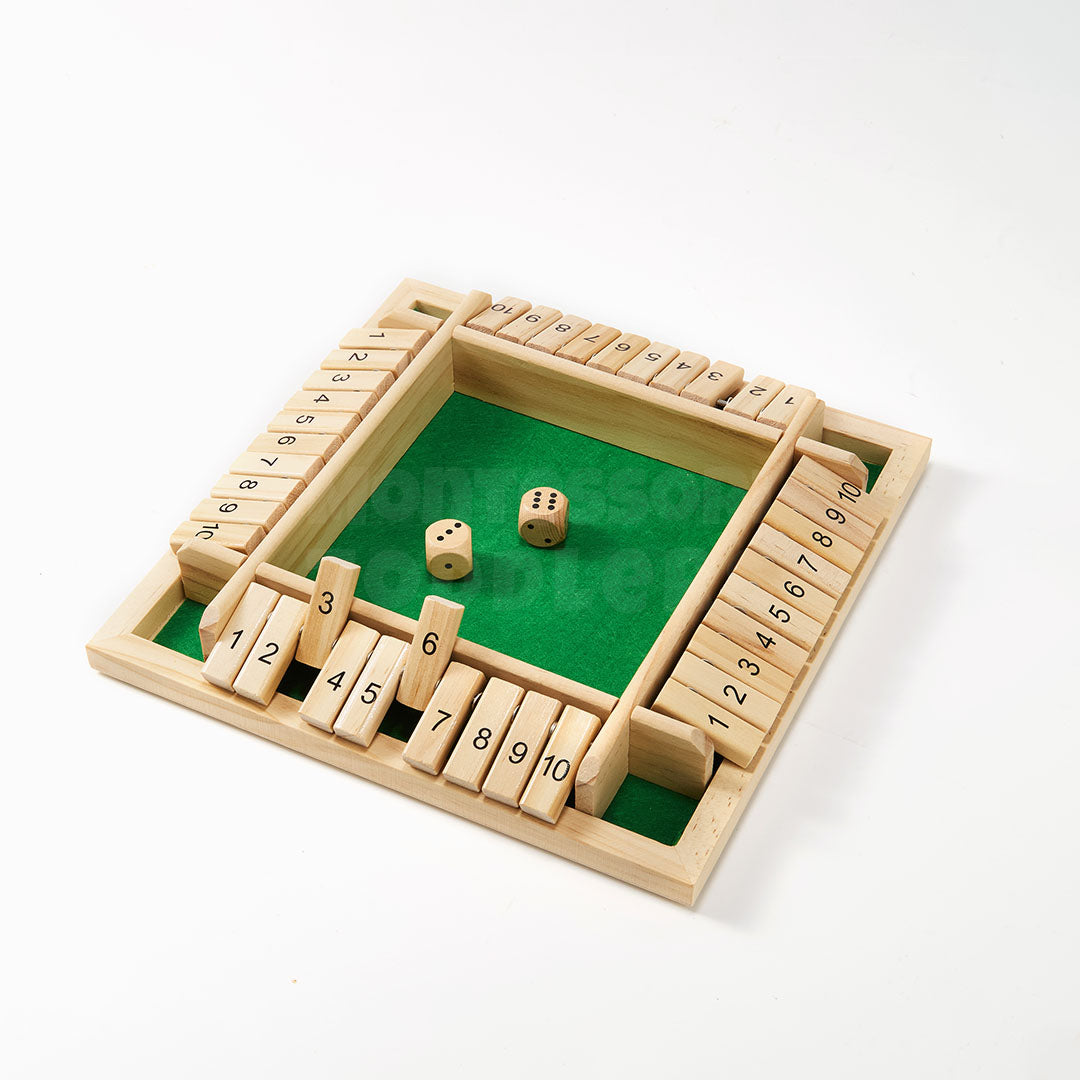
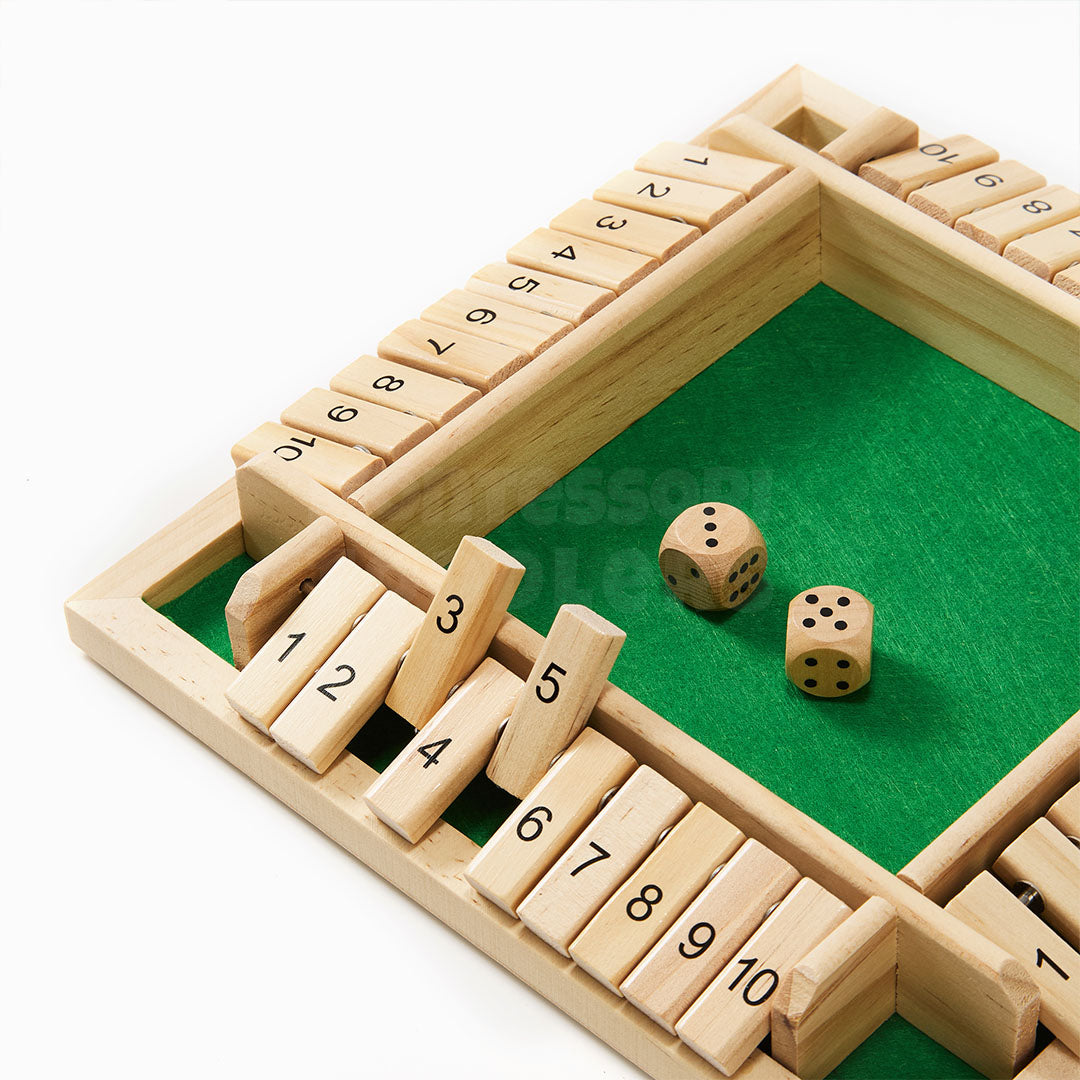
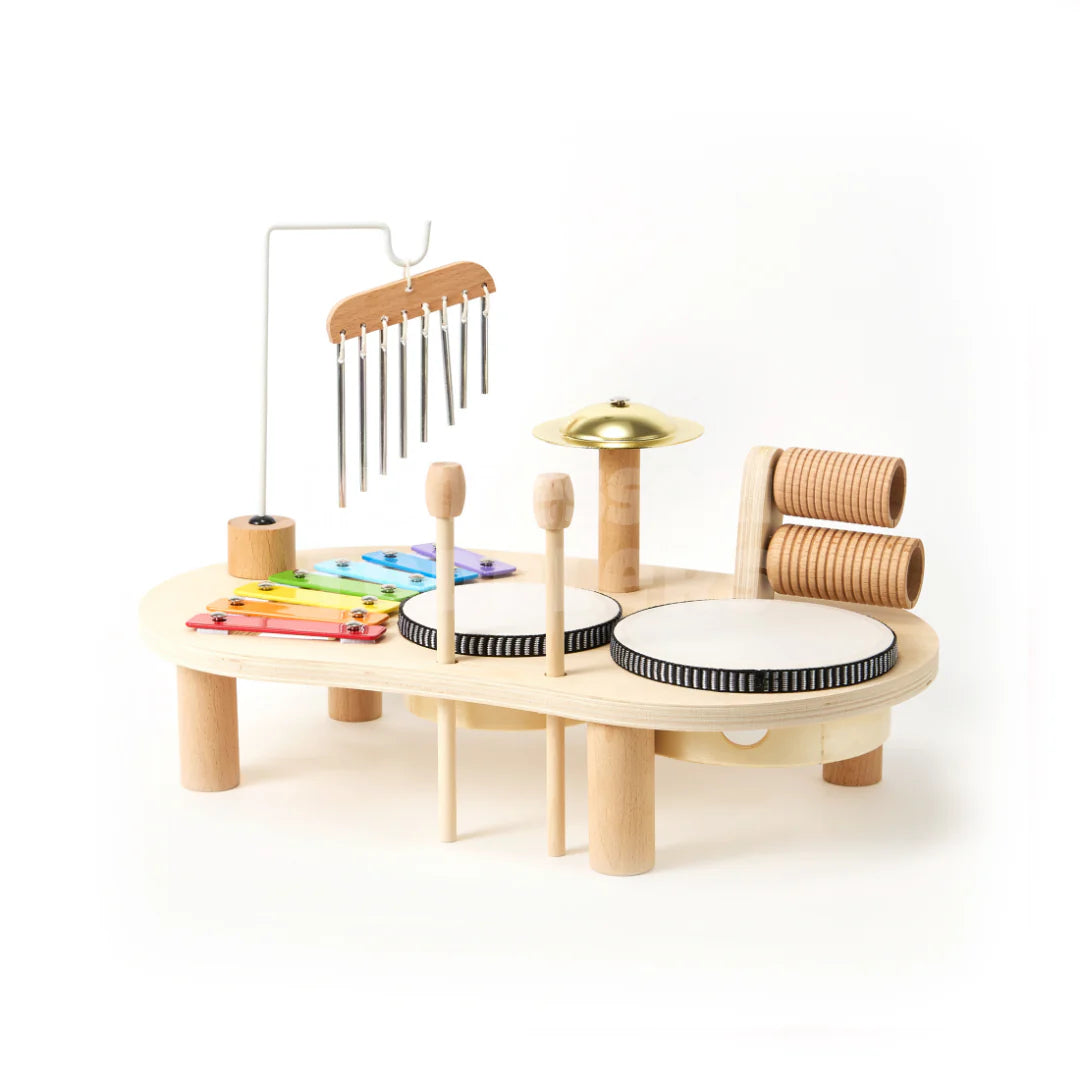
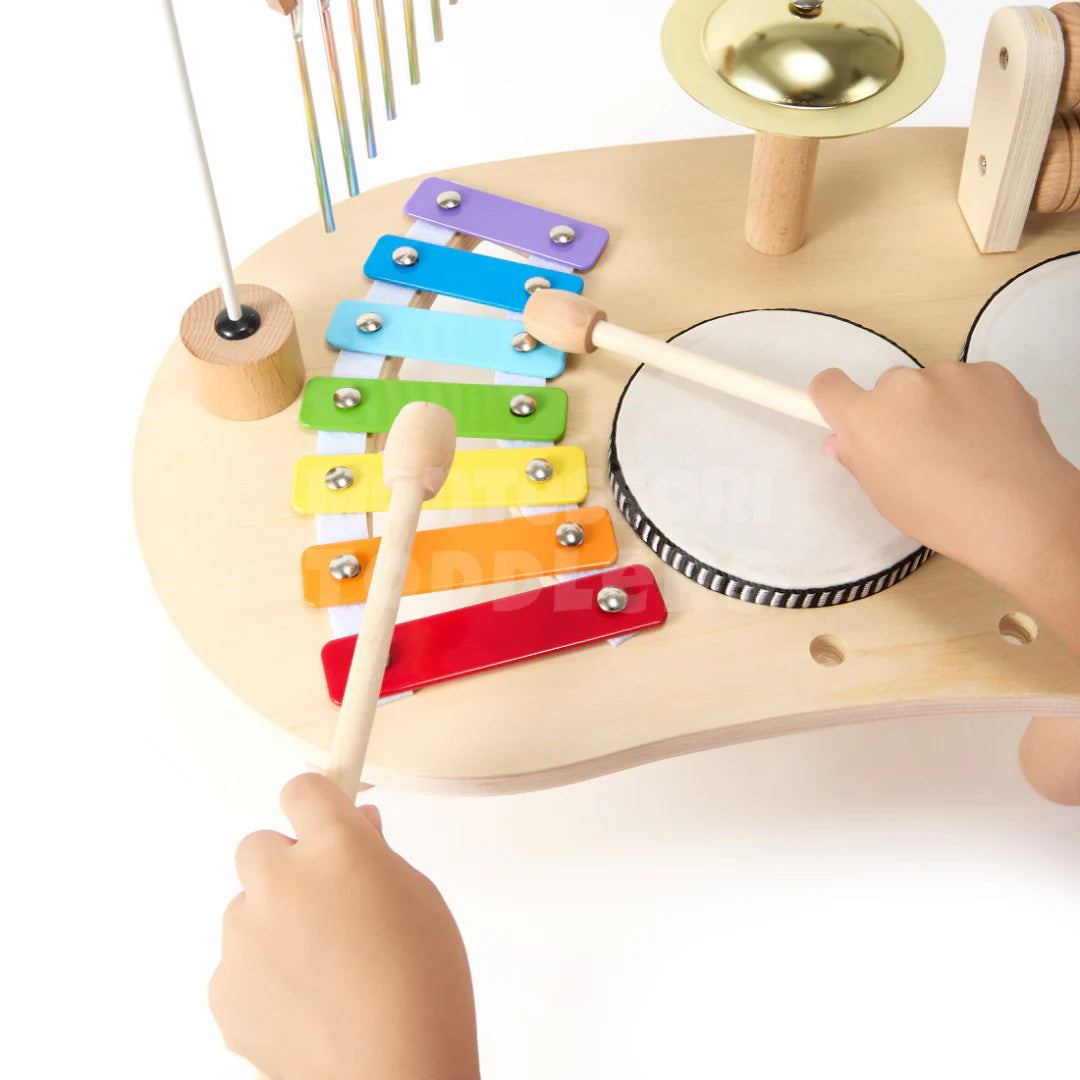
Mix three kinds of fillers so the month doesn't turn into a shopping list: a few small real toys on the days you want to feel special, ordinary practical-life jobs your child can already half-do, and free ideas that need nothing bought at all. The table below is a starting point, not a script.
| Product | Suitable age | Develops | Best for |
|---|---|---|---|
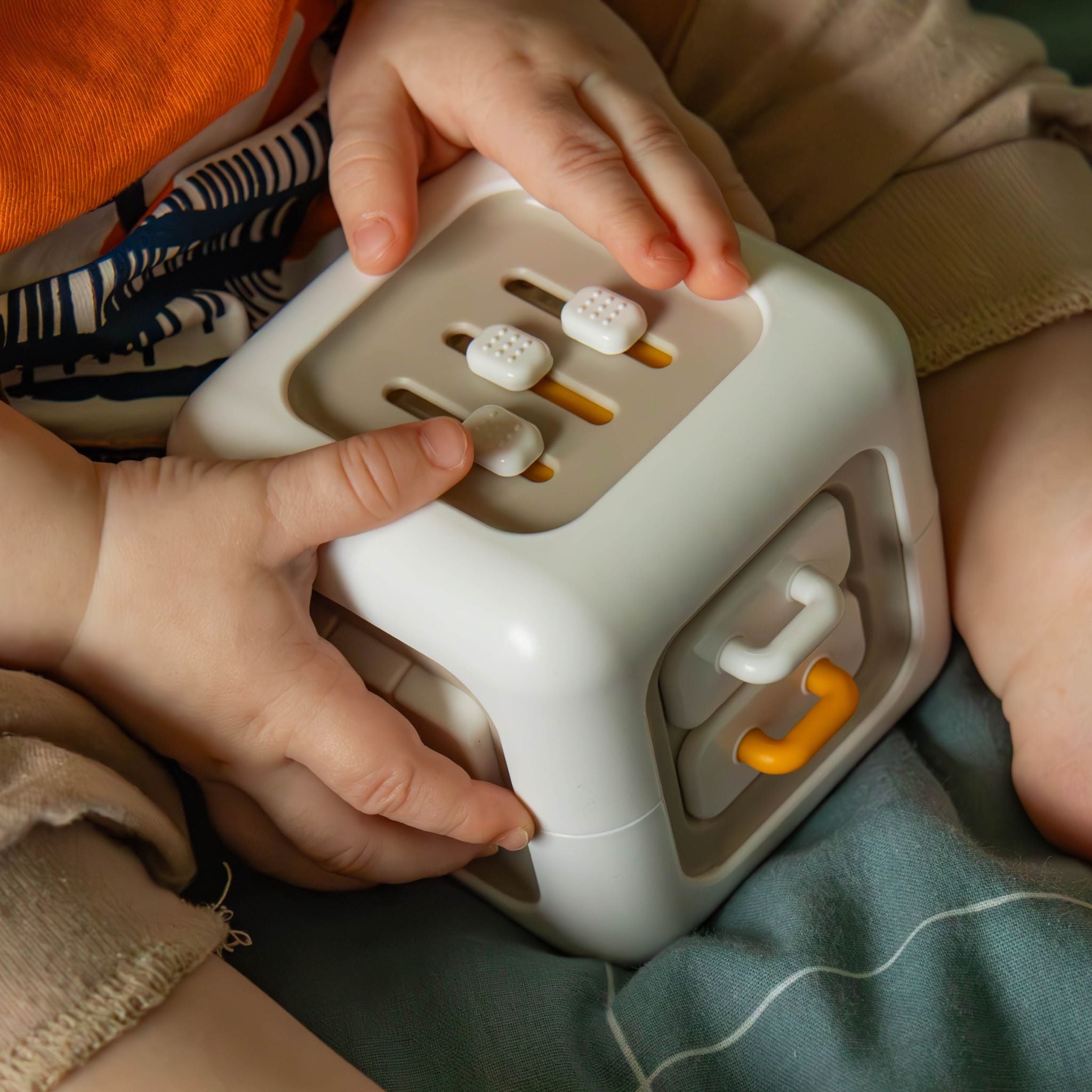
| Object Permanence Box | 12 months+ | Fine motor, cause and effect | A quiet early-December filler for the youngest sibling |
| Dinosaur Threading Toy | 18 months+ | Fine motor, hand-eye coordination | A small, inexpensive daily filler that isn't a trinket |
| Geometric Shape Puzzle | 18 months+ | Shape recognition, problem-solving | A mid-month filler with real staying power |
| Wooden Animal Puzzle 6-pack | 2 years+ | Fine motor, vocabulary | Six small puzzles you can spread across several days |
| Memory Game | 3 years+ | Memory, concentration, turn-taking | A weekend filler the whole family can play |
Do the fillers have to be new toys?
No. A filler can just as easily be a task or a moment: choosing which ornament goes where, helping wrap one gift, a walk to look at neighbourhood lights, or a page to colour. Practical-life jobs work especially well because they use skills your child is already building the rest of the year, just given a small December spotlight.
- 18 months to 2 years: practical life — pour water between two small cups; free idea — find something red hiding around the house.
- 2 to 3 years: practical life — help fold napkins for dinner; free idea — make a snowflake by cutting folded paper.
- 3 to 5 years: practical life — set the table on their own; free idea — write (or dictate) a letter to a grandparent.
How many days actually need a real object?
Fewer than you'd think. Most families who do this well use real fillers for six to eight days, spaced out rather than bunched at the start, and let activities and small jobs fill the rest. That keeps the calendar from turning into a second Christmas list, and it means the days with an actual object still feel like a small event.
Can I reuse it every year?
Yes, and that is really the point. A wooden drawer unit or a set of fabric pockets outlasts a single December easily. Each year you refill it differently as your child grows: an object permanence box at 18 months becomes a threading toy at two, and a memory game by four or five.
Frequently asked questions
What is a Montessori advent calendar?
A reusable countdown, usually numbered drawers or pockets, filled mostly with small activities, jobs and a handful of real objects instead of 24 pieces of packaged plastic or sweets.
Do the fillers have to be new toys?
No. Many days can hold a small job, a note, or a free activity. Real objects work best used sparingly, six to eight days across the month rather than every day.
What age is a Montessori advent calendar good for?
From around 18 months, once a child can reliably open a drawer or pocket and handle a small object. The fillers themselves simply change as your child gets older.
How do I make one without buying 24 things?
Use a reusable drawer unit or fabric pockets, plan 6 to 8 real fillers, and fill the rest of the days with practical-life jobs and free ideas that need nothing bought at all.
Can I reuse a Montessori advent calendar every year?
Yes. The container stays the same; what goes inside changes as your child grows, which is part of what makes it worth setting up properly once.
With love from the Montessori Toddlers team 💛