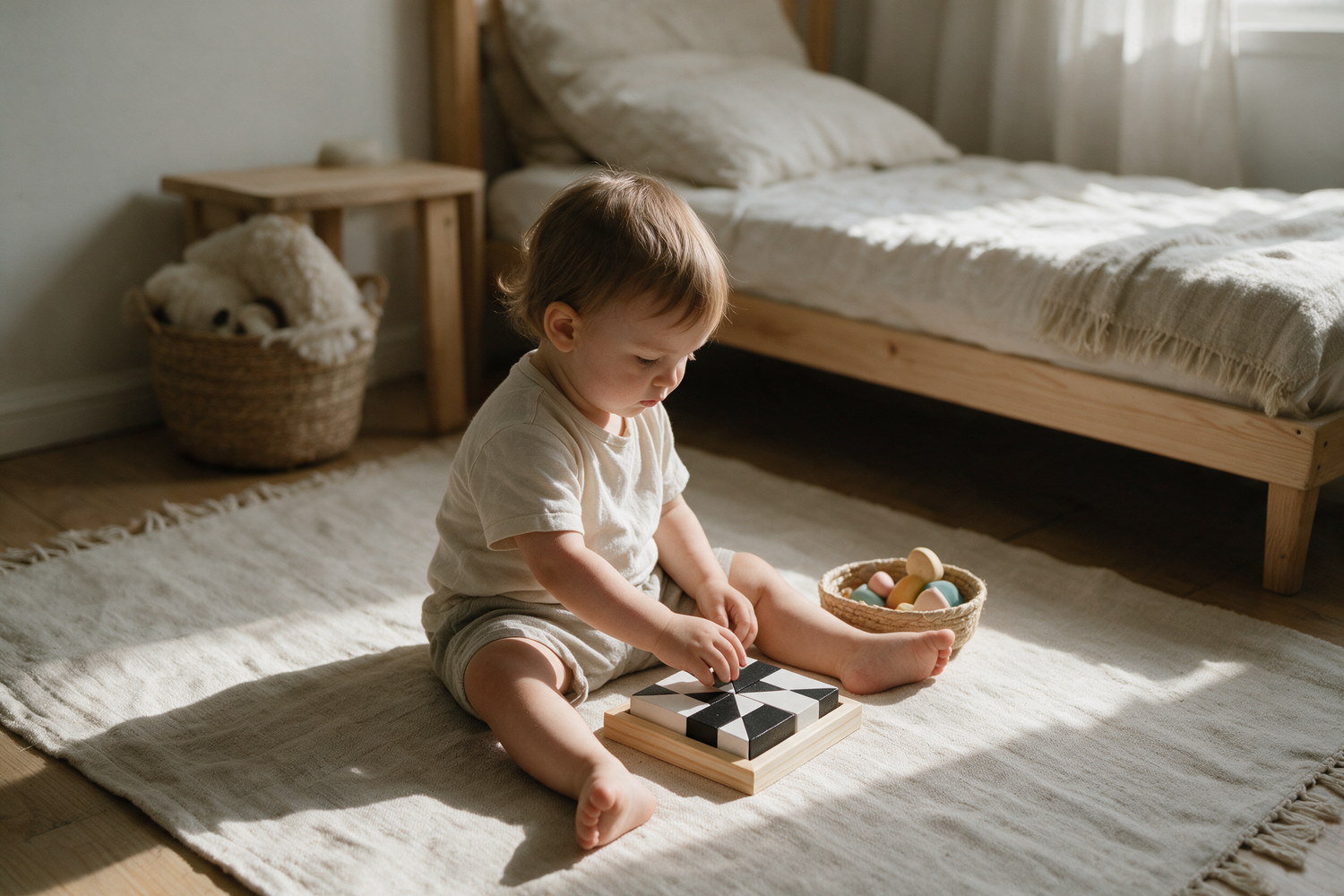
Somewhere between two and a half and four, most toddlers drop the nap. What doesn't disappear at the same time is your need for a stretch of the afternoon that isn't spent being climbed on, narrated at, or refereed. Quiet time is the answer families land on, and it works, but only if you set it up properly rather than just hoping for the best on day one.
What actually is "quiet time", and does my toddler still need it once naps stop?
Quiet time is a scheduled 45 to 90 minute window of calm, low-stimulation solo play in the same slot the nap used to sit, and most children still need some form of rest through roughly age four or five, even once they've stopped sleeping through it. The nap doesn't vanish because it's no longer needed; it vanishes because the body's sleep pressure has shifted, not because the brain has stopped wanting a break from stimulation.
Think of quiet time as a hand-me-down from the nap, not a replacement for it. Same time, same room, same expectation of calm, minus the actual sleeping. Some days your toddler will genuinely doze off in the middle of it. Most days they won't, and that's fine too.
How do I set quiet time up so it actually works?
Set quiet time up with the same time daily, a small set of pre-chosen activities kept just for this window, a clear start and end signal, and a parent who steps away rather than hovers. Novelty is doing a lot of the work here: a toy your toddler sees every day loses its pull, but a puzzle that only comes out at 1pm stays interesting for months.
A few things make the difference between a quiet time that sticks and one that collapses by day three:
- Keep a dedicated basket. The activities inside are only for this window, never freely available the rest of the day.
- Use a visual timer or a simple signal. A sand timer, a specific song, or "when this light turns off" gives your toddler something other than you to check in with.
- Start shorter than you think you need to. Fifteen to twenty minutes in week one, building toward 45 to 90 as the habit sets in.
- Step out of the room, or at least out of arm's reach. A toddler who can see you waiting to be entertained will keep testing that door. One who can't will settle into the toy instead.
Which quiet-time activities actually hold a toddler's attention alone?
| Activity | Age | Needs from a parent | Develops |
|---|---|---|---|
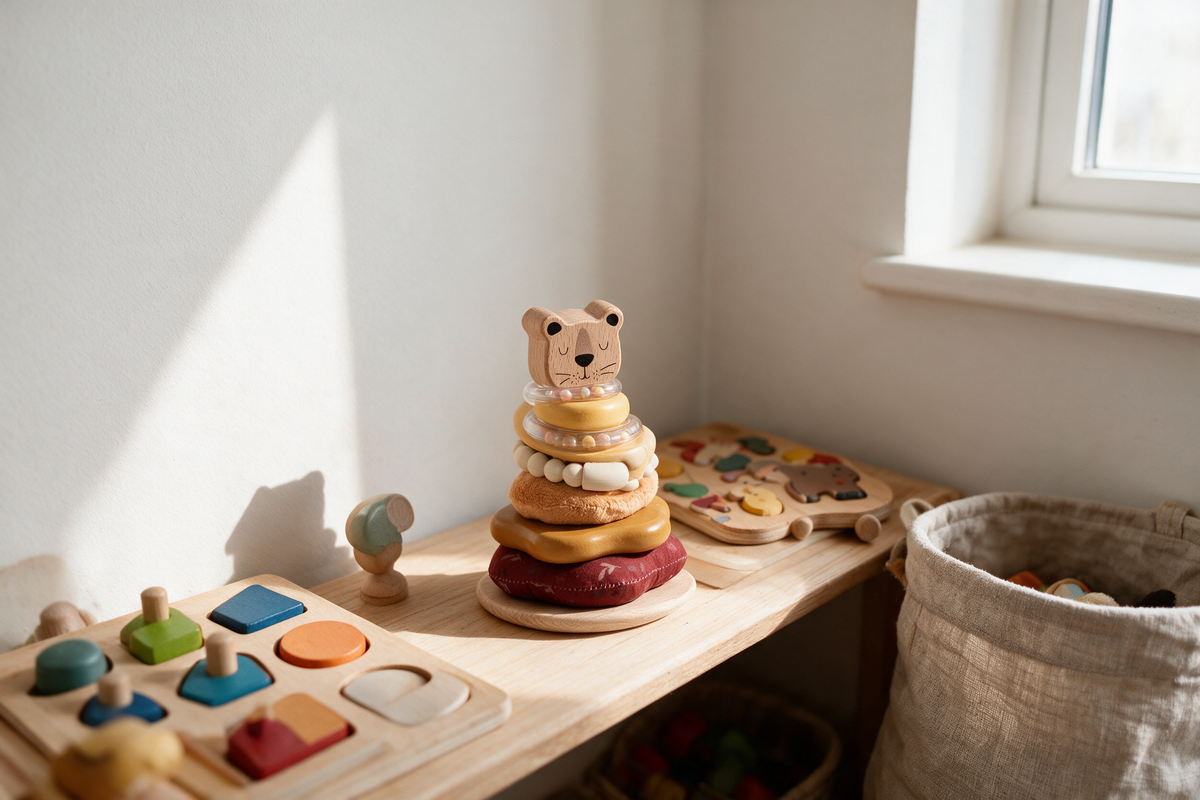
| Stacking & Nesting Rings | 12 months+ | Fully independent once introduced | Grasp, size grading, hand control |
| Wooden Bear Puzzle | 18 months+ | Fully independent | Fine motor grip, shape matching |
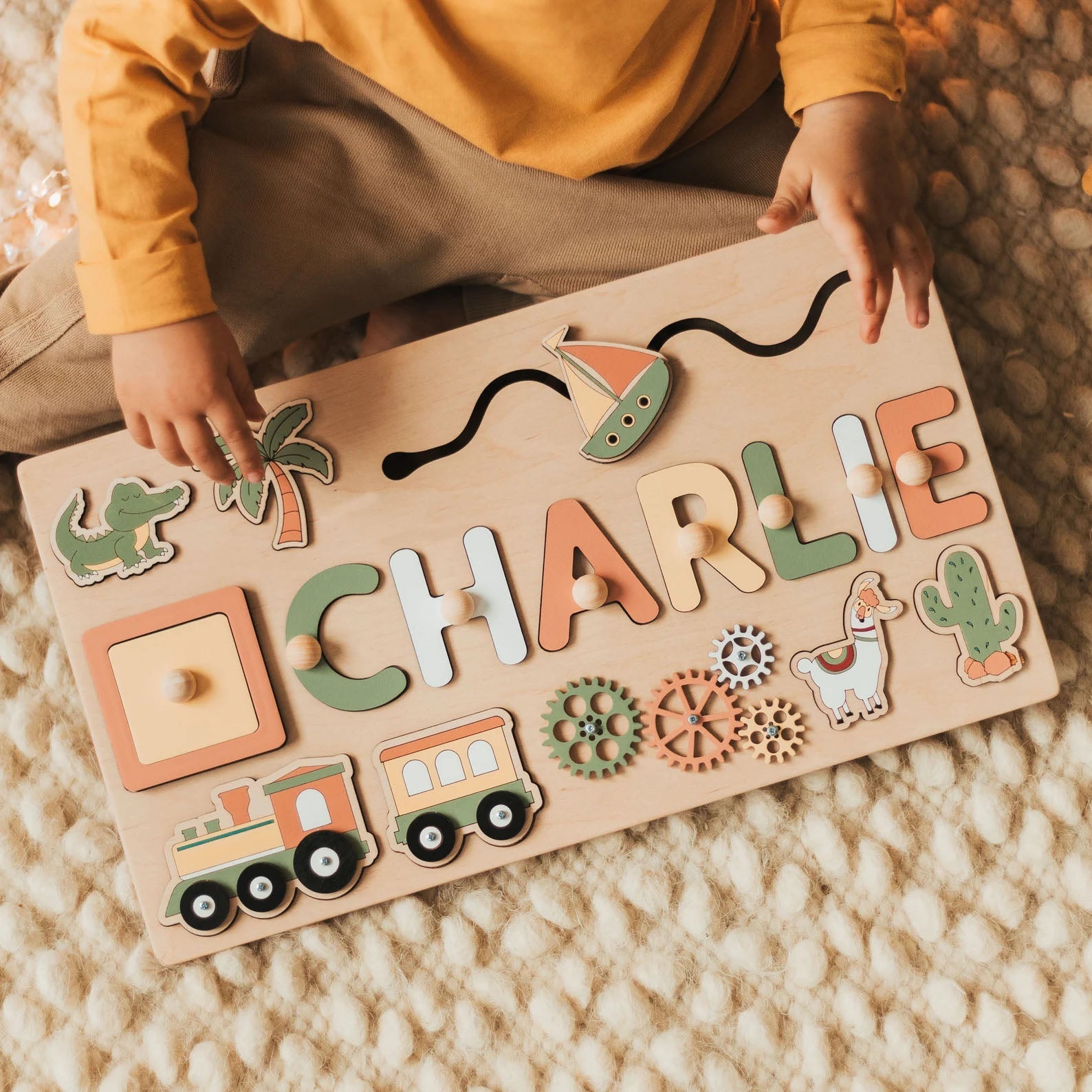
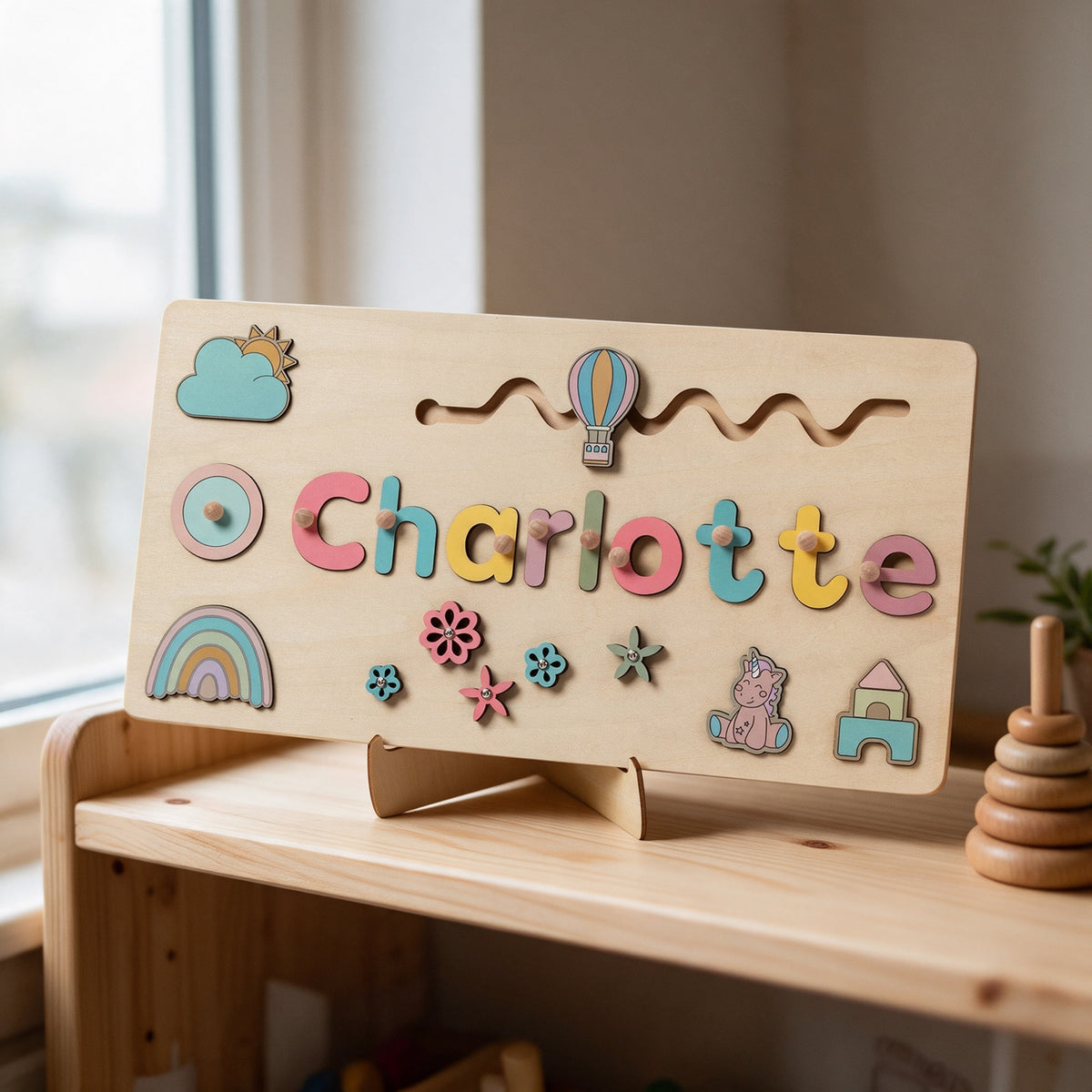
| Personalized Wooden Puzzle | 2 years+ | Fully independent | Letter recognition, fine motor, a sense of ownership |
| Geometric Shape Puzzle | 2 years+ | Fully independent | Shape and spatial reasoning, concentration |
| Wooden Animal Puzzle 6-pack | 18 months to 5 years | Fully independent | Fine motor, matching, quiet naming and language |
Notice what all five have in common: none of them need you to keep the game going. That's the whole test for a quiet-time pick. A toy that needs a partner, a referee, or a narrator will pull your toddler straight back out of their room looking for you.
Build a starter quiet time basket
You don't need five new toys to start. Pick two or three and rotate them weekly so nothing goes stale.
Toddlers Stacking & Nesting Rings

For the youngest quiet-timers, this is a safe first pick. Eight pieces to sort, stack and knock down again, with nothing to get "wrong" and nothing that needs your input to work.
Toddlers Wooden Bear Puzzle

A chunky, single-image puzzle that's genuinely hard to get frustrated with. Good for a toddler who's new to quiet time and needs an early, easy win to want to come back tomorrow.
Toddlers Personalized Wooden Puzzle

Made to order with your child's own name, this one earns its place in the basket twice over: it's calm, letter-matching solo play, and the personal touch tends to make a toddler linger over it rather than abandon it after thirty seconds.
Toddlers Geometric Shape Puzzle

A step up for a toddler who's outgrown single-image puzzles. Working with pure shapes rather than pictures takes real concentration, which is exactly what a longer quiet-time window needs.
Toddlers Wooden Animal Puzzle 6-pack

Six small puzzles in one set means six fresh starts across the week without adding a new toy each time. Good rotation material once the basic quiet-time habit is established.
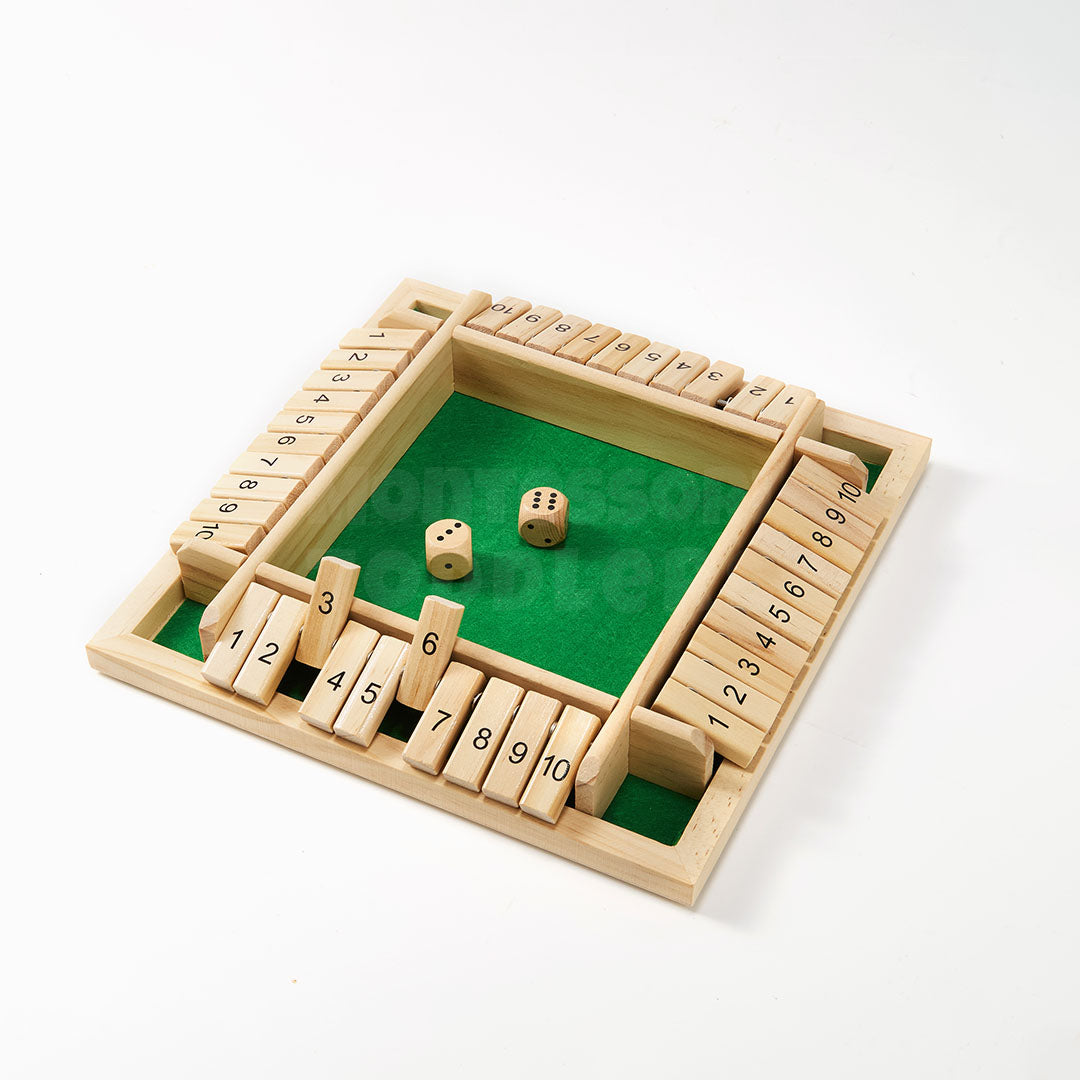
A game like our Memory Game is a lovely afternoon activity too, but it needs a partner to take turns with, so save it for time together rather than the solo quiet-time basket.
Why does screen-free quiet time matter, and does it fit the Montessori approach?
Screen-free quiet time matters because the whole point of the window is to give your toddler practice at generating their own focus, rather than having it generated for them. A screen holds attention by constantly changing what's on it; a wooden puzzle holds attention by asking the child to do the changing. That's the same principle behind Montessori materials generally, and it's why the toys above work as well as they do without you in the room.
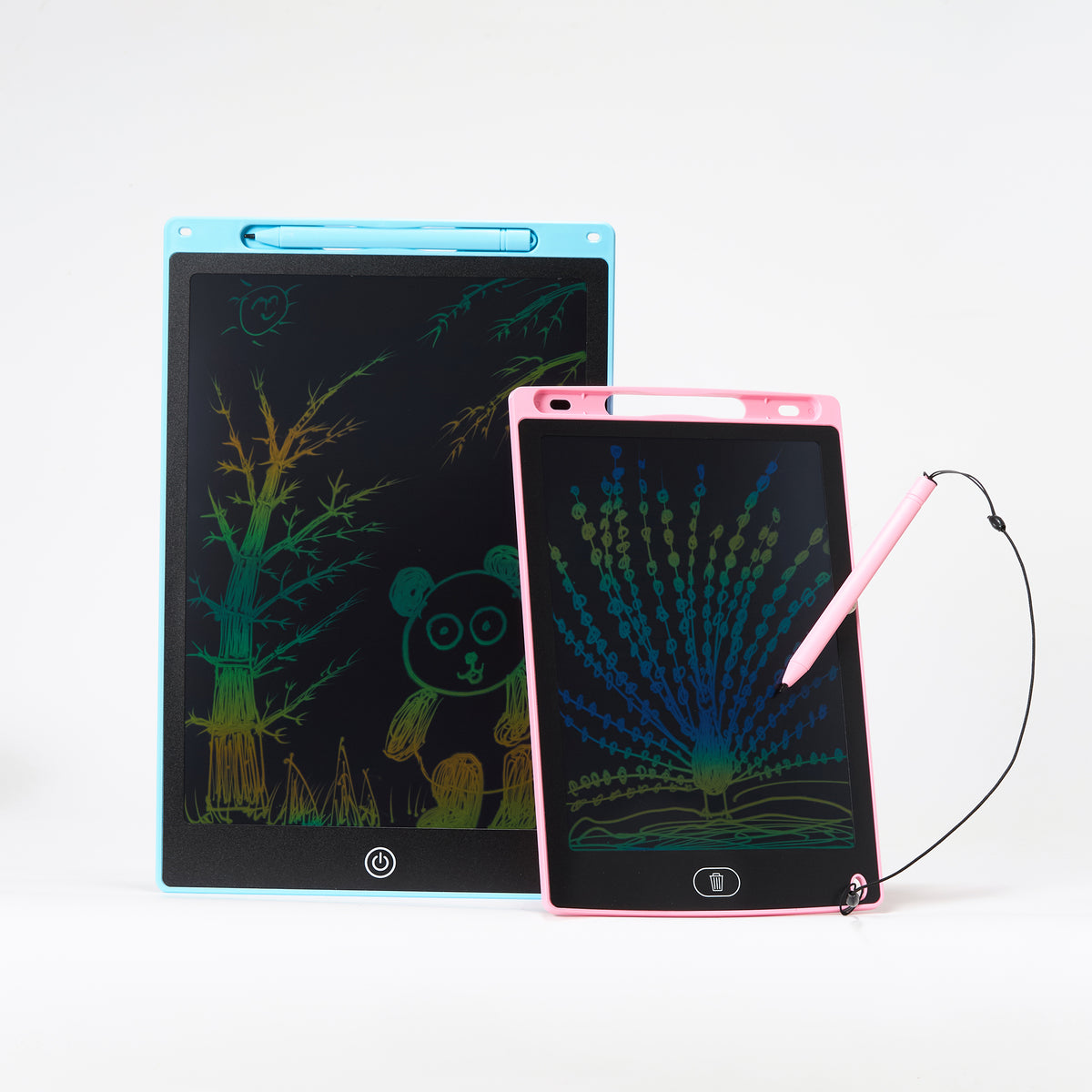
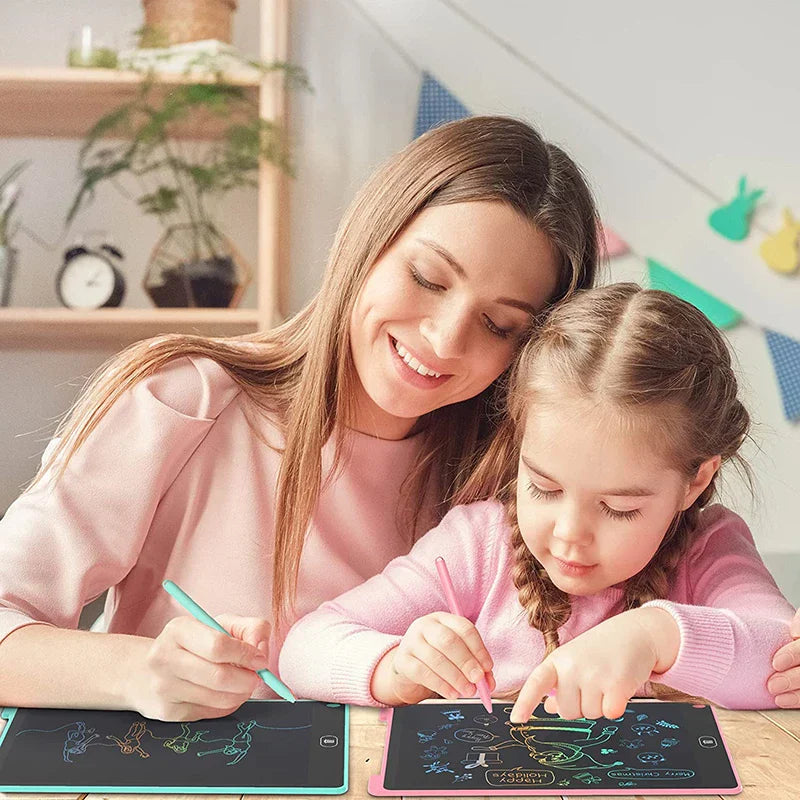
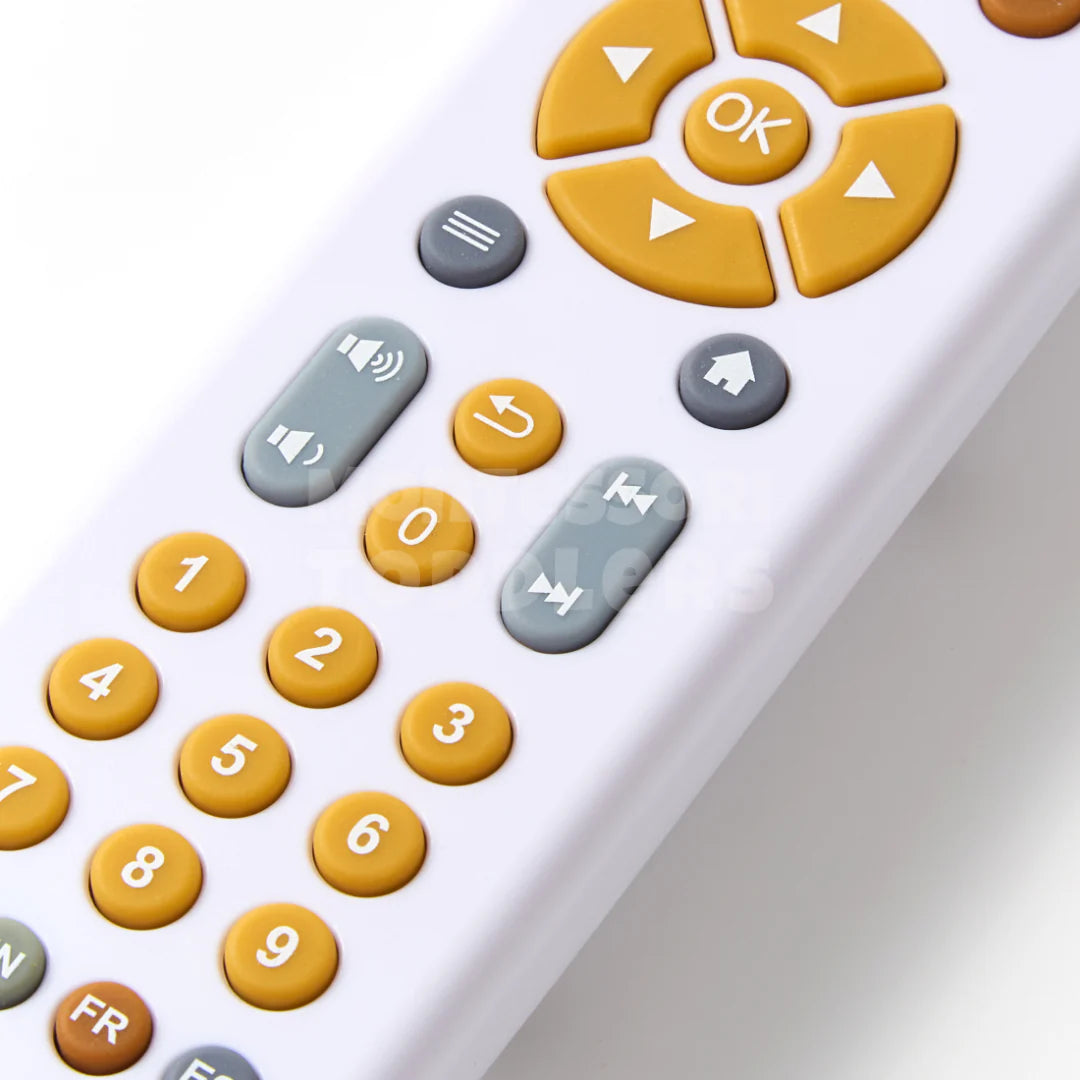
That said, a genuinely screen-free approach isn't all-or-nothing in every family, and we've written honestly about where wooden toys earn their place against other materials. If your family does want a screen-adjacent option that still avoids apps and autoplay, the Toddlers Tablet is a drawing pad, not an internet-connected device, and some parents keep it strictly for quiet time only.
Frequently asked questions
What age do toddlers stop napping?
Most children drop the daytime nap somewhere between two and a half and four years old, though the exact age varies widely and some children keep a short nap well into their fifth year.
How long should quiet time be?
Start at 15 to 20 minutes and build gradually toward 45 to 90 minutes as the habit sets in. Pushing straight to a long window in week one is the most common reason quiet time fails to stick.
What if my toddler won't stay in their room?
Start with a shared space rather than a separate room, using a physical marker like a rug or a specific chair as the "quiet time spot" instead of a closed door. Extend the distance gradually as your toddler gets used to the routine.
Is screen time OK during quiet time?
Occasional screen time won't undo the routine, but the value of quiet time comes specifically from unstructured, self-generated play, so keeping the window screen-free most days is where the real benefit lives.
What's the difference between quiet time and independent play?
Quiet time is a specific scheduled window built around the nap-drop transition, while independent play is the broader, ongoing skill of a child occupying themselves at any point in the day. Our full guide to building independent play covers that longer-term habit in more depth.
Every pick above lives in our Montessori Wooden Toys collection, ready to find its place in a basket that's just for the quiet hour, and hopefully in an afternoon that finally has some calm back in it.
With love from the Montessori Toddlers team 💛