The short version: Montessori is a way of educating children based on observation, independence, and respect. It was developed over a hundred years ago by an Italian doctor and is used in tens of thousands of schools worldwide. It is not a brand, a toy style, or an aesthetic. Here is what it actually means — honestly, and without the marketing.
If you have started reading about Montessori, you have probably come away thinking it means expensive wooden toys, or a private school you cannot get into. It is simpler, and gentler, than that.
At its heart, Montessori is just letting your child do things for themselves. A few small reframes capture most of it:
- It is not a school you pay for. It is a shelf your child can reach.
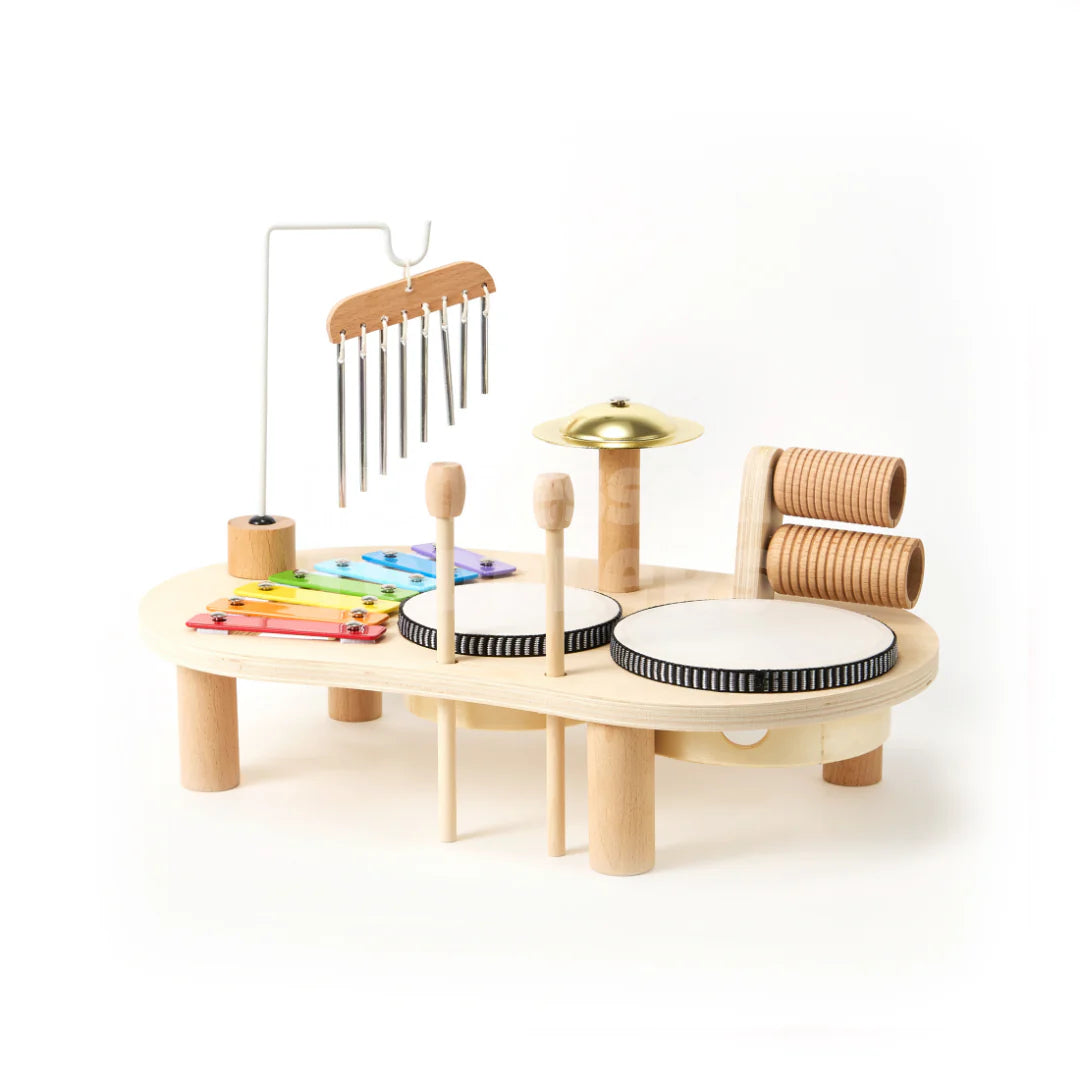
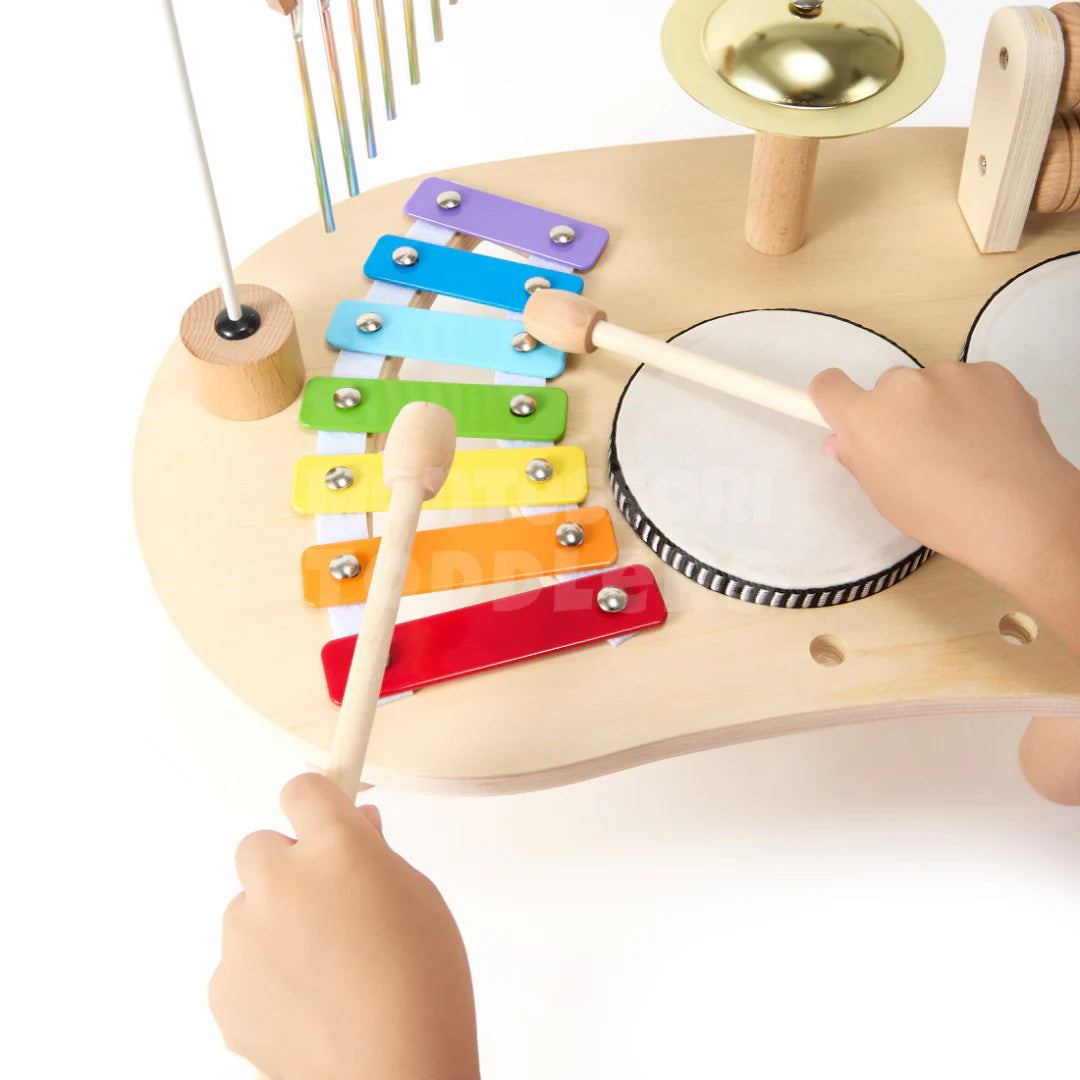
- It is not about the toy being wooden. It is about the toy doing less, so your child can do more.
- It is not perfect parenting. It is stepping back and letting them try.
You do not need to get all of it right at once. You can start with one thing. The rest of this guide explains where the idea came from, what the research actually says, and how it looks at home.
The woman behind the name
Maria Montessori was one of Italy's first female doctors, graduating in 1896 with a focus on psychiatry and paediatrics. Her teaching method did not come from theory. It came from watching children — specifically, disadvantaged children in the slums of Rome's San Lorenzo district, where she opened her first classroom in 1907.
She called it the Casa dei Bambini — the Children's House. It was not a school in any traditional sense. There were no desks in rows, no textbooks, no grades. Instead, there were child-sized tables, open shelves of carefully chosen materials, and a simple rule: let the children choose their own work, and watch what happens.
What happened surprised everyone. Children who had been written off as unreachable began to read, write, and concentrate for hours. Montessori documented everything, published her findings in 1909, and the method spread across the world within a decade.
Five ideas that hold the whole thing together
Strip away the wooden toys and the Instagram aesthetics, and Montessori rests on five principles. None of them are complicated. All of them are harder to practise than they sound.
1. Respect the child as a person
Not a miniature adult. Not a blank slate to be filled. A person with their own interests, pace, and way of understanding the world. In practice, this means not interrupting a child who is concentrating, giving them real choices, and trusting them to do things for themselves — even when it would be faster to do it for them.
2. The absorbent mind
Montessori observed that children under six absorb information from their environment effortlessly, like a sponge — without studying, without trying. This is why the early years matter so much, and why Montessori puts such emphasis on what surrounds a child during this window. The things they see, hear, touch, and experience become part of who they are.
3. Sensitive periods
Children go through specific windows when they are wired to learn particular skills. A two-year-old who insists on having their routine exactly the same every day is not being difficult — they are in a sensitive period for order. A three-year-old who names every object they see is in a sensitive period for language. Work with these windows and learning feels effortless. Fight them and everyone is miserable.
The main sensitive periods in the first six years:
| Period | Age range | What it looks like |
|---|---|---|
| Order | 1–3 years | Insistence on routine, upset by changes, wants things in their place |
| Language | Birth–6 years | Babbling, word explosion, constant questions, fascination with letters |
| Movement | Birth–4 years | Crawling, walking, climbing, carrying — the body demands to move |
| Senses | Birth–5 years | Touching everything, mouthing objects, fascinated by sounds and textures |
| Small objects | 18 months–3 years | Picking up crumbs, fascinated by tiny things, intense focus on detail |
| Social behaviour | 2.5–5 years | Interest in other children, learning manners, wanting to help |
4. The prepared environment
The room is the teacher. A Montessori classroom — or a Montessori-inspired home — is designed so the child can do things independently. Shelves at their height. Tools that fit their hands. Everything in its place, visible and accessible. The idea is that if the environment is right, the child does not need constant adult direction. They can choose, explore, and learn at their own pace.
5. Self-education
Given the right environment and the right materials, children teach themselves. The adult's role is to observe, to prepare the space, and to step in only when genuinely needed. This is the hardest part for most parents and teachers: learning when to help, and when to hold back.
What the research says
Montessori is not just philosophy — it has been studied seriously by developmental psychologists, and the results are broadly positive.
The most cited study is by Angeline Lillard and Nicole Else-Quest, published in Science in 2006. They compared children at a public Montessori school (admitted by lottery, so close to random assignment) with children at conventional schools. The Montessori five-year-olds scored higher in reading, maths, social cognition, and executive function. The twelve-year-olds wrote more creative essays and showed stronger social reasoning.
A 2023 meta-analysis by Randolph and colleagues reviewed 32 studies with over 130,000 data points and found Montessori students showed meaningful gains in executive function, academic achievement, creativity, and social skills compared to conventional peers.
There are caveats. Implementation quality matters enormously — Lillard's own 2012 study showed that "supplemented" Montessori programmes (those that added conventional materials) lost their advantage entirely. The label is not enough. The method has to be done properly.
The honest criticisms
No educational approach is perfect, and pretending Montessori has no drawbacks would not be helpful. Here is what the critics raise, and what we think is fair.
It is expensive. This is the most valid criticism. Private Montessori schools charge significant fees, which makes the method inaccessible for many families. This is ironic, given that Montessori was literally invented for children in poverty. Public Montessori programmes exist but are still rare in many countries.
The name is not trademarked. Anyone can open a "Montessori" school or label a product "Montessori." Quality varies wildly. This is a real problem and the biggest source of confusion for parents.
Transition to conventional school. Some parents worry their child will struggle moving from a Montessori environment to a traditional one. Research suggests this is mostly unfounded, but the concern is understandable.
No grades or tests. This makes some parents anxious. How do you know your child is progressing? Montessori teachers track development through observation rather than testing, but if you are used to report cards, the lack of formal benchmarks can feel unsettling.
What Montessori looks like at home
You do not need to enrol your child in a Montessori school to use these ideas at home. The principles translate directly:
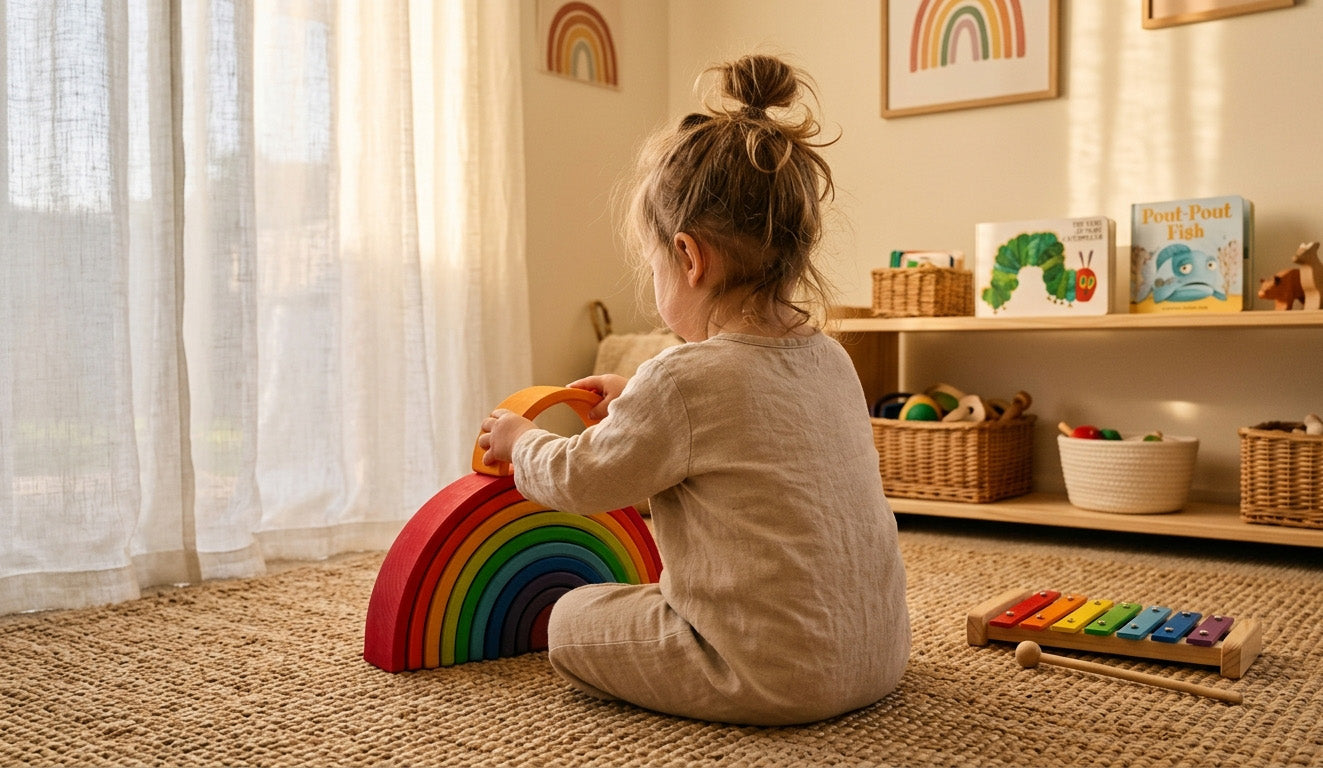
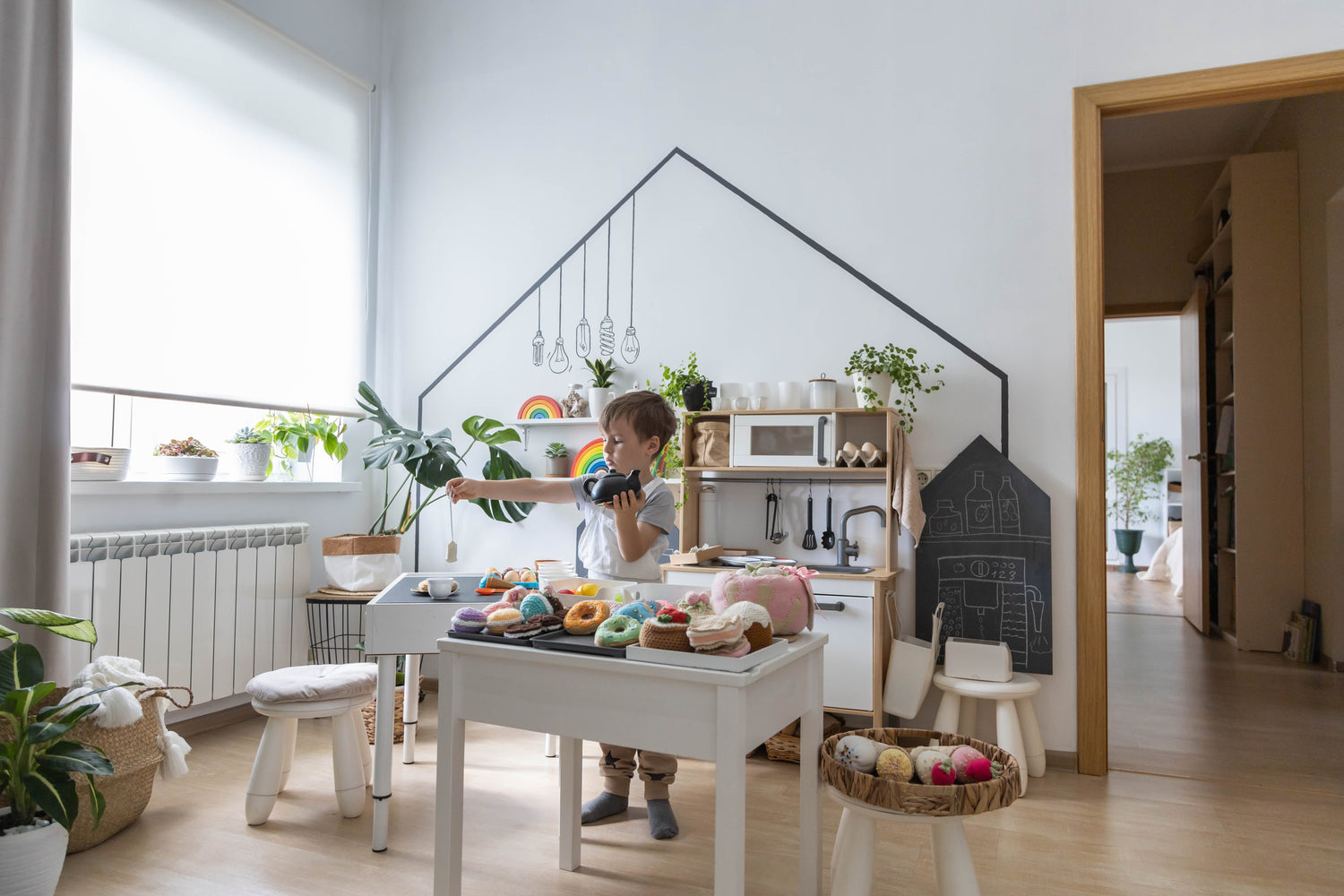
- Create a space they can navigate independently. Low shelves, a few well-chosen toys or activities, child-sized furniture if possible. They should be able to choose what to do and put it back when they are done.
- Follow their interest. If your child is obsessed with pouring water from cup to cup, let them. That is not a mess — that is a sensitive period for movement and control.
- Less is more. Fewer toys, rotated regularly, leads to deeper play. Research confirms this — a 2018 study found toddlers played more creatively with 4 toys than with 16.
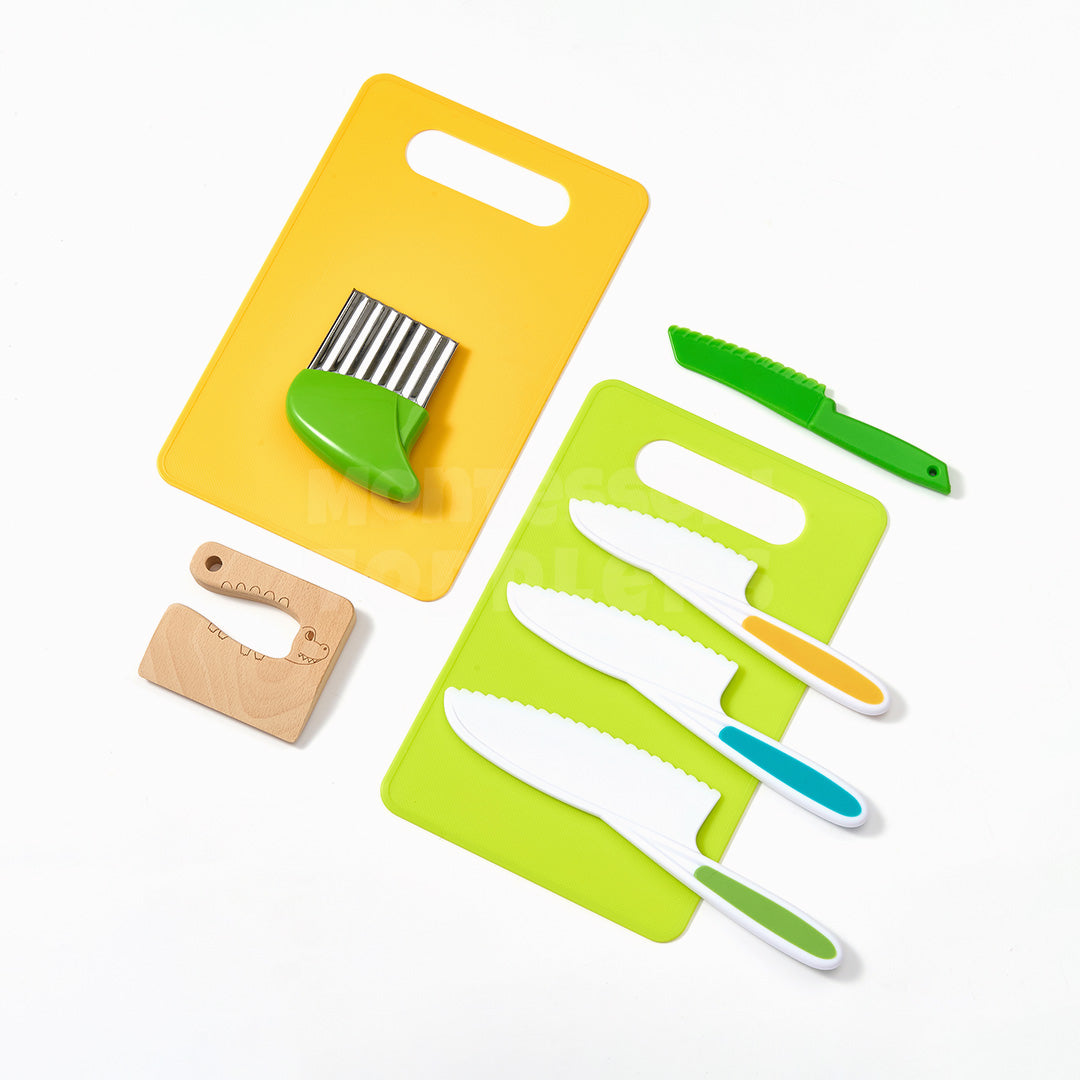
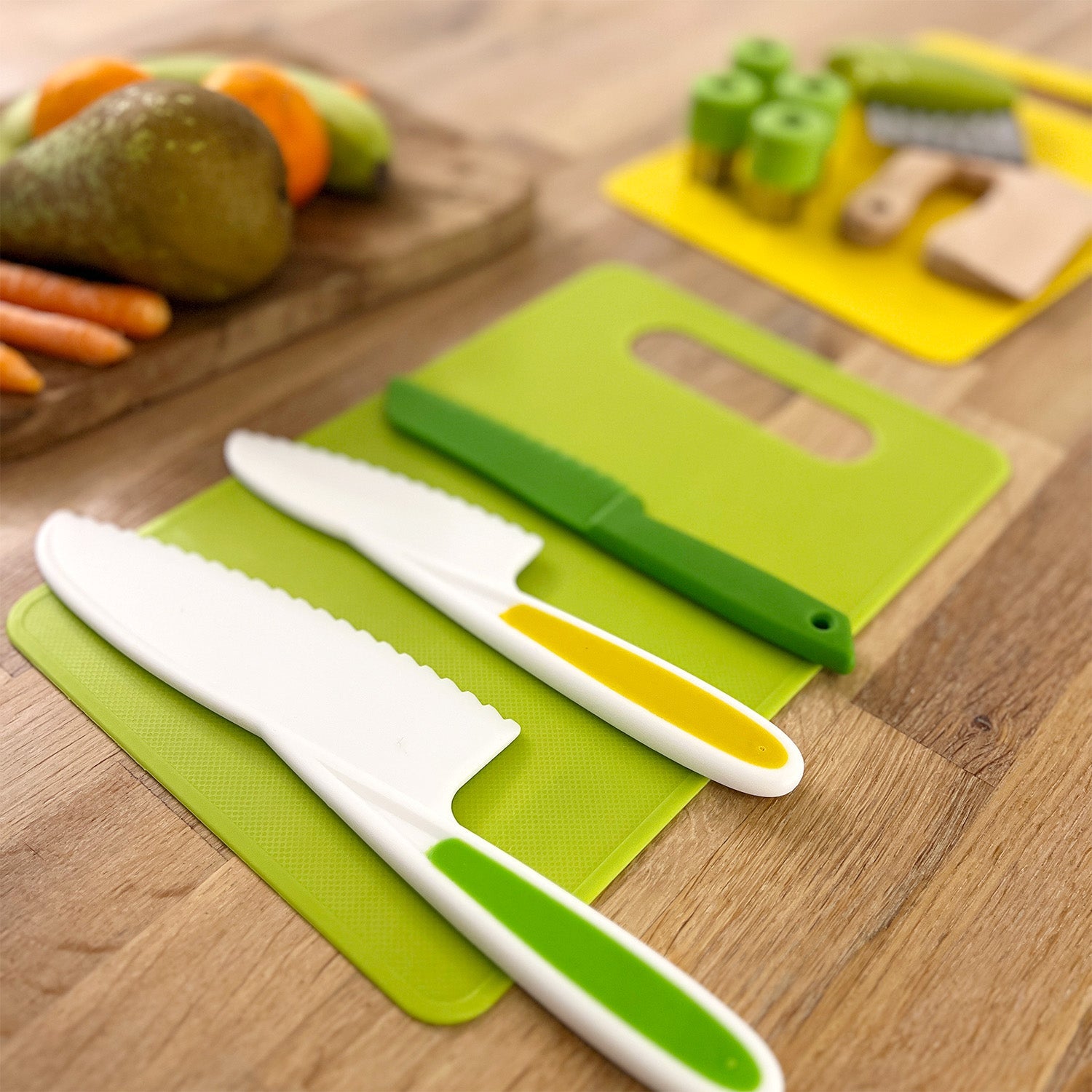
- Include them in real life. Cooking, cleaning, gardening, folding laundry. Practical life activities are the foundation of Montessori, and they happen naturally in every home.
- Resist the urge to help too quickly. If your child is struggling with a puzzle, wait. Watch. Let them work through it. The struggle is where the learning happens.
For a practical guide to choosing the right toys for each age, see our complete guide to Montessori toys from birth to five.
Frequently asked questions
What age is Montessori for?
Montessori covers birth through to adulthood, but it is best known for the early years (birth to six) and primary years (six to twelve). The principles — independence, respect, prepared environment — apply at any age. Most parents encounter Montessori when looking for preschool options or toys for toddlers.
Is Montessori better than traditional education?
Research consistently shows positive outcomes, particularly for executive function, social skills, and creativity. But it depends heavily on implementation quality. A well-run conventional classroom may outperform a poorly implemented Montessori one. The evidence favours Montessori when it is done faithfully, not when it is simply labelled as such.
Do Montessori children struggle in regular school later?
Generally, no. Studies show Montessori-educated children adapt well to conventional settings. Some parents report an initial adjustment period, but this is anecdotal rather than systematic. The self-regulation and independence skills that Montessori builds tend to serve children well in any environment.
Can I do Montessori at home without spending a fortune?
Absolutely. Montessori at home is mostly about how you set up the space and how you interact with your child. A low shelf, a few well-chosen activities, and a willingness to let your child do things independently costs very little. The most Montessori thing in your house is probably your kitchen — where your child can help cook, pour, stir, and clean up alongside you.
Why is everything Montessori so expensive?
Authentic Montessori classroom materials are handmade and precisely engineered, which makes them costly. But for home use, you do not need official materials. Simple wooden toys, real kitchen tools, art supplies, and nature itself provide everything a young child needs. The philosophy is about the approach, not the price tag.
With love from the Montessori Toddlers team 💛