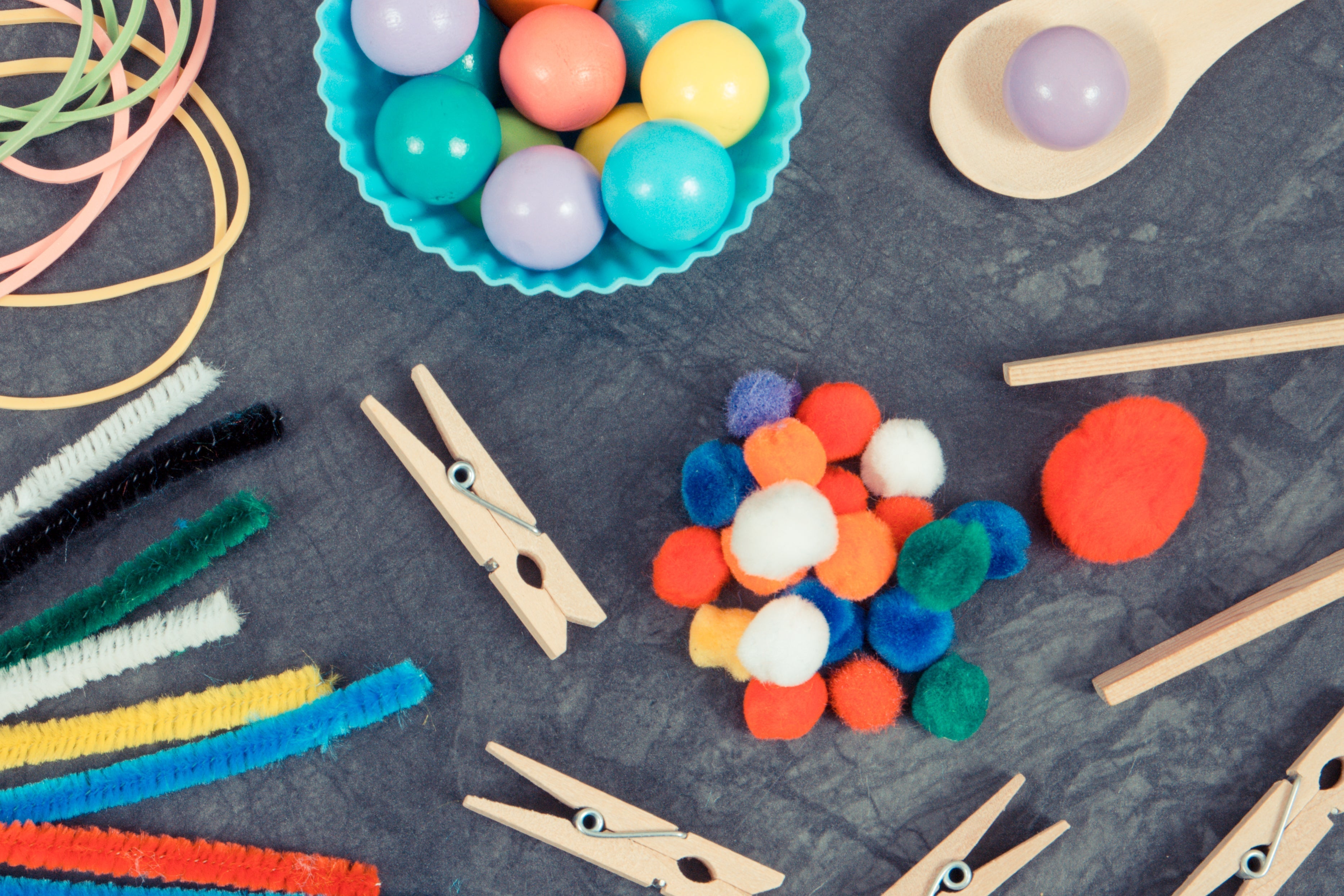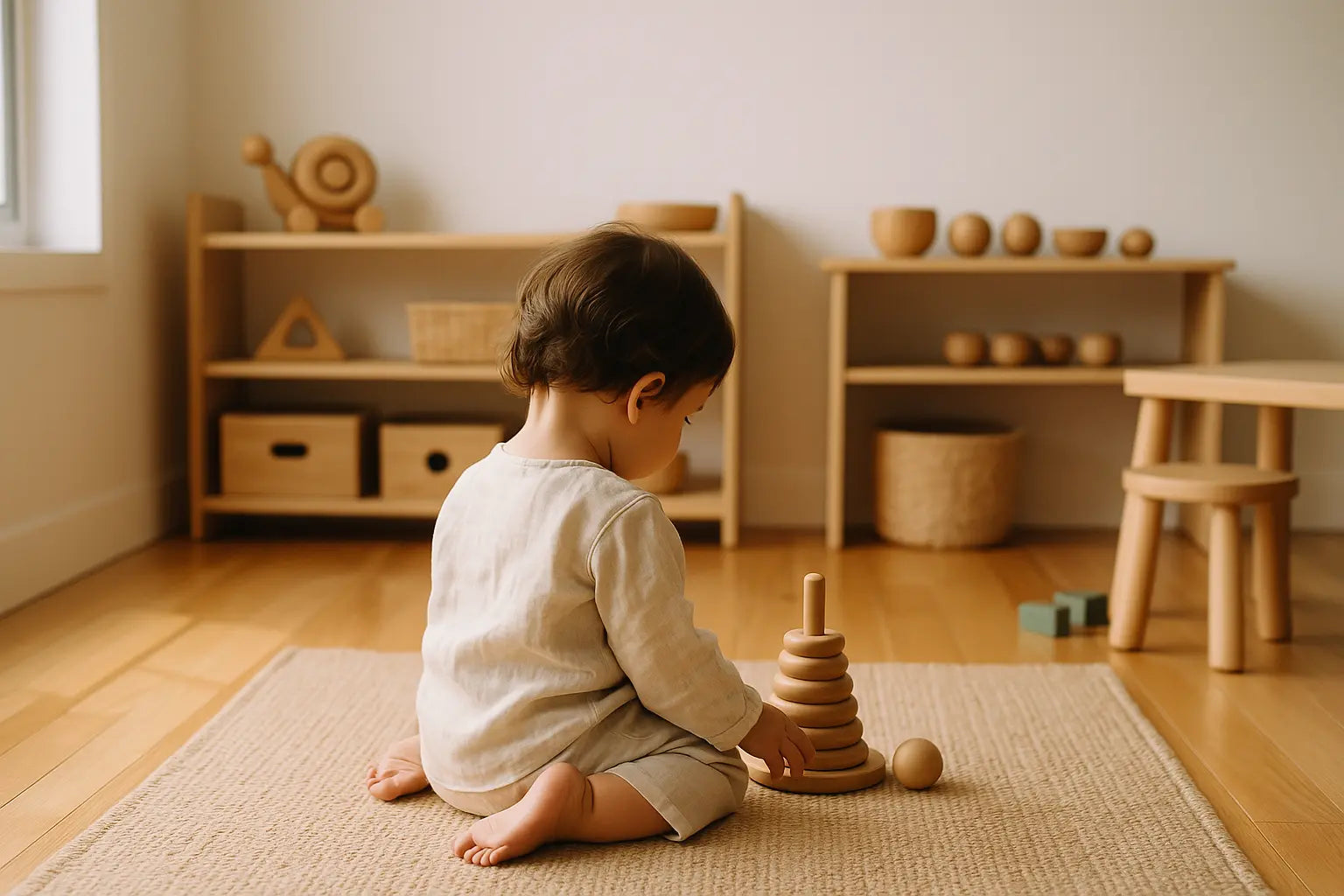
Fine motor skills are the small, precise movements of the hands and fingers behind almost everything a child does for themselves: holding a spoon, doing up a button, turning a page, and one day forming letters with a pencil. They are not taught at a desk. They are built through play, in the everyday business of stacking, threading, pouring, and drawing.
Here is what fine motor skills are, why they matter so much in the early years, and how the right kind of play develops them, with the toys that help at each stage.
What are fine motor skills, and why are they important?
Fine motor skills are the coordination of the small muscles in the hands and fingers that allow precise, controlled movement. They matter because they are the foundation of independence and school readiness: a child needs them to dress and feed themselves, and later to write, draw, and cut with scissors. Strong fine motor skills also support hand-eye coordination, concentration, and the quiet confidence that comes from being able to do things without help.
How does play develop fine motor skills?
Play develops fine motor skills by giving small hands a reason to practise the same precise movements again and again without it ever feeling like work. Threading a lace, fitting a puzzle piece, stacking a block, or pouring water all demand grip, control, and accuracy, and a child will repeat them for the simple pleasure of getting better. The best fine motor toys are self-correcting, so the child can see their own progress, and open-ended enough to stay interesting for months.
What are the benefits of fine motor activities for preschoolers?
For preschoolers, strong fine motor skills mean an easier transition to school: better pencil grip and handwriting, more confident cutting and drawing, and the independence to manage buttons, zips, and cutlery alone. The benefits reach further than the classroom, supporting problem-solving, concentration, and self-esteem. A child who can make their hands do what they intend is a child who feels capable.
The best toys for fine motor skills
The best fine motor toys are simple, made for small hands, and rewarding to repeat. These six cover the main kinds of fine motor work, from threading and puzzles to building, practical life, and drawing.
| Toy | Best age | Develops |
|---|---|---|
| Dinosaur Threading Toy | 18m+ | Threading, lacing |
| Wooden Bear Puzzle | 2 yrs+ | Pincer grasp, problem-solving |
| Building Blocks | 2 yrs+ | Grip, balance, construction |
| Chef Set | 3 yrs+ | Practical life, hand strength |
| Wooden Busy Board | 2-3 yrs | Precision, patience |
| Frame | 3 yrs+ | Drawing, pencil grip |
Toddlers Dinosaur Threading Toy

Threading is one of the most effective fine motor activities there is, and the easiest to love. Guiding a lace through a small hole asks the fingers and eyes to work together with real precision, and the dinosaur shapes give a toddler a reason to keep going. It is also direct preparation for doing up buttons and holding a pencil. See the Toddlers Dinosaur Threading Toy →
Toddlers Wooden Bear Puzzle

Lifting and placing a puzzle piece builds the pincer grasp, the thumb-and-finger pinch behind every pencil. Working out where each piece belongs adds problem-solving to the fine motor work, and the chunky wooden pieces are sized for small hands still learning to aim. Puzzles are quiet, absorbing, and endlessly repeatable. See the Toddlers Wooden Bear Puzzle →
Toddlers Building Blocks

Stacking one block on another is a deceptively demanding test of grip, control, and a steady hand. Each tower a child builds and topples teaches them a little more about balance and careful placement, and open-ended blocks grow with them from first stacks to elaborate constructions. Few toys repay this much practice. See the Toddlers Building Blocks →
Toddlers Chef Set

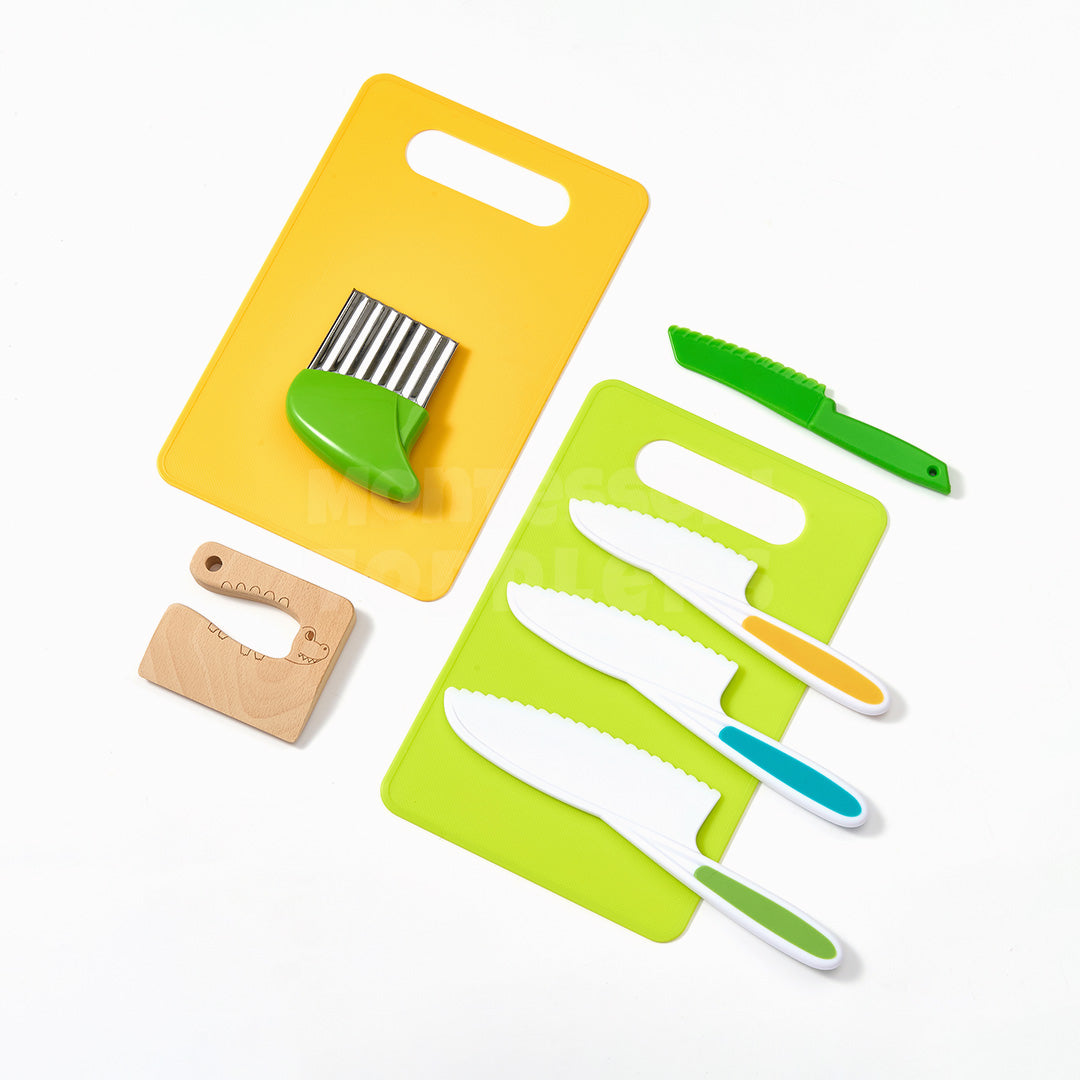
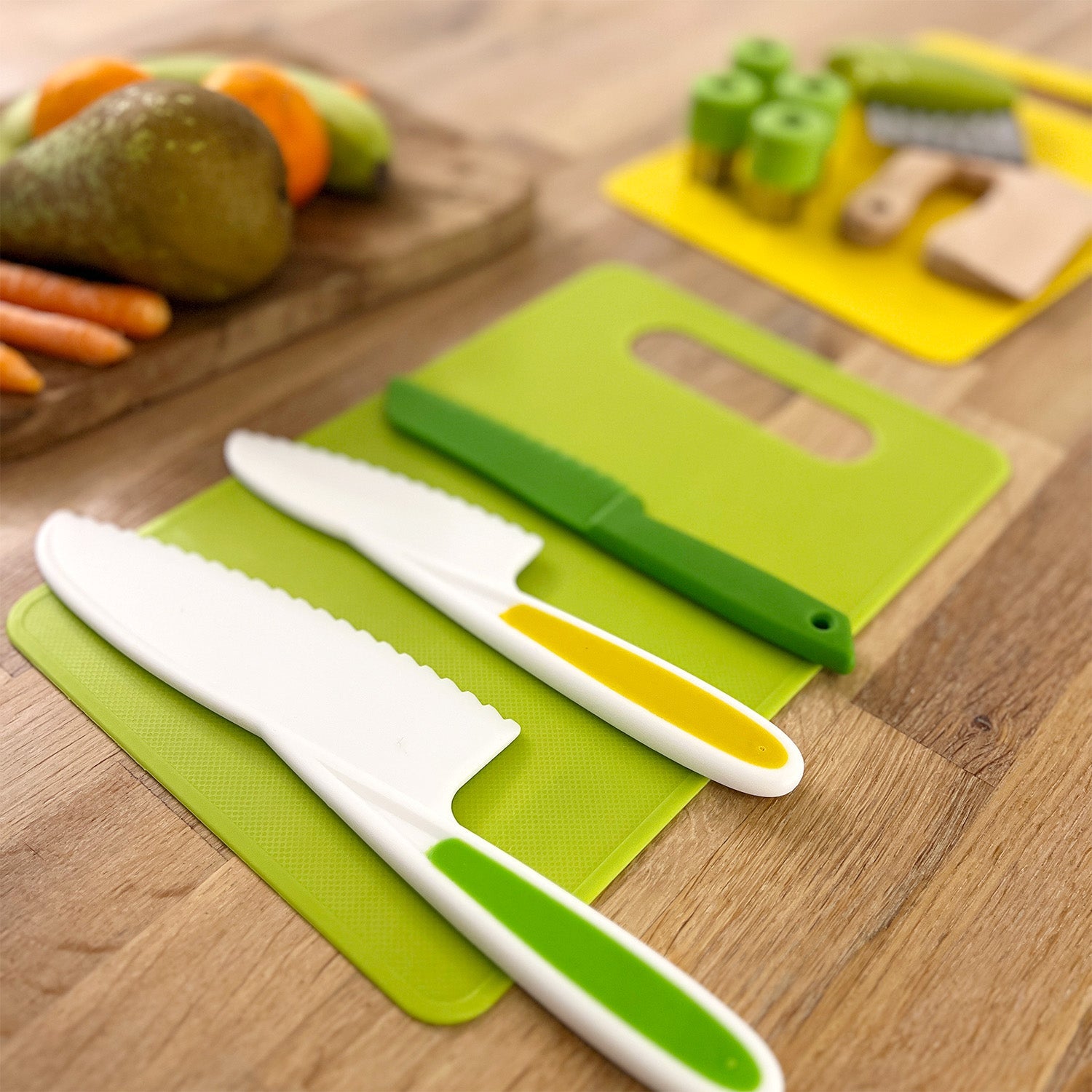
Practical life is where fine motor skills become real, and the kitchen is the best classroom of all. Pouring, stirring, scooping, and chopping with child-sized wooden tools build hand strength and control in a way no worksheet can. There is a visible shift in a child who realises they have helped make something the family is actually eating. See the Toddlers Chef Set →
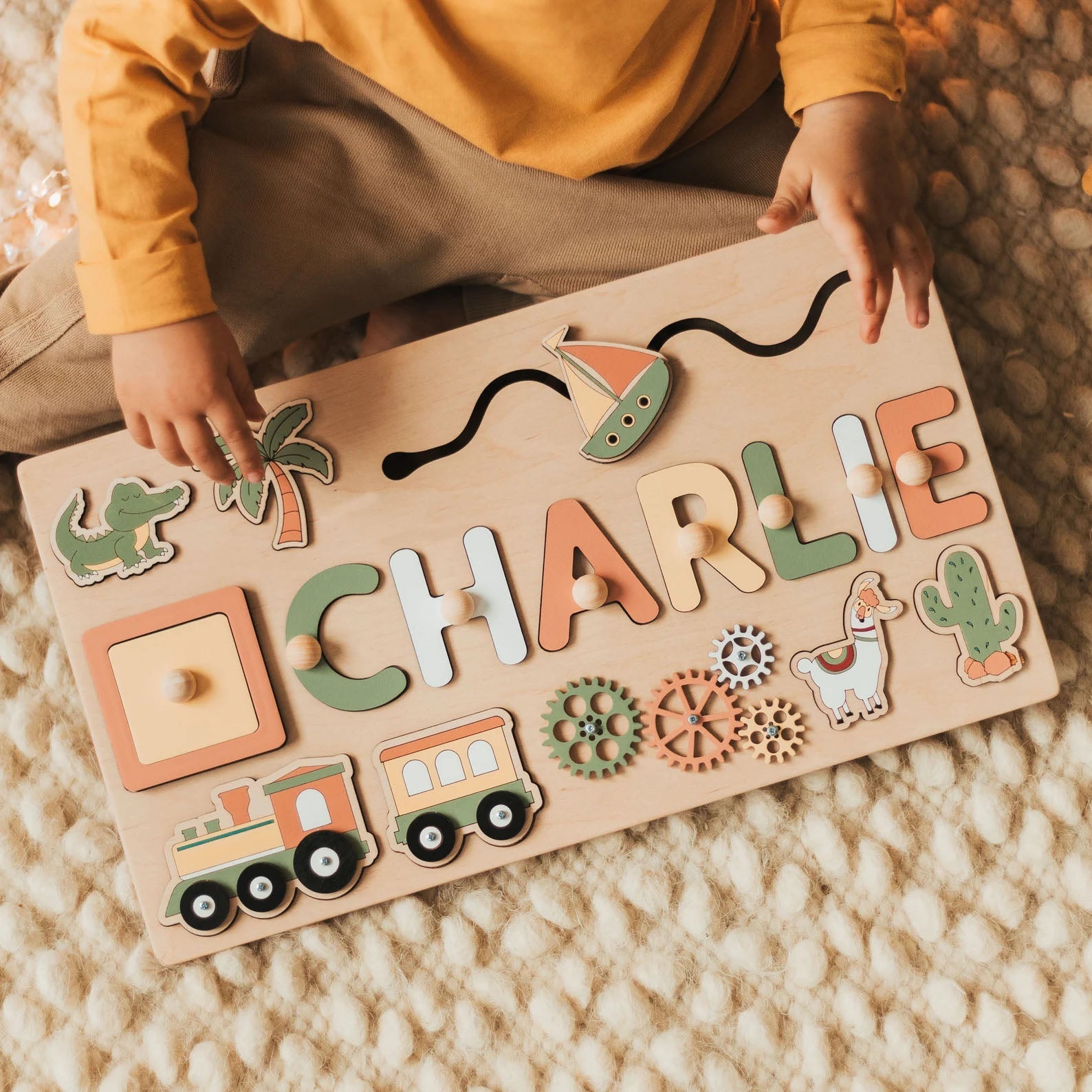
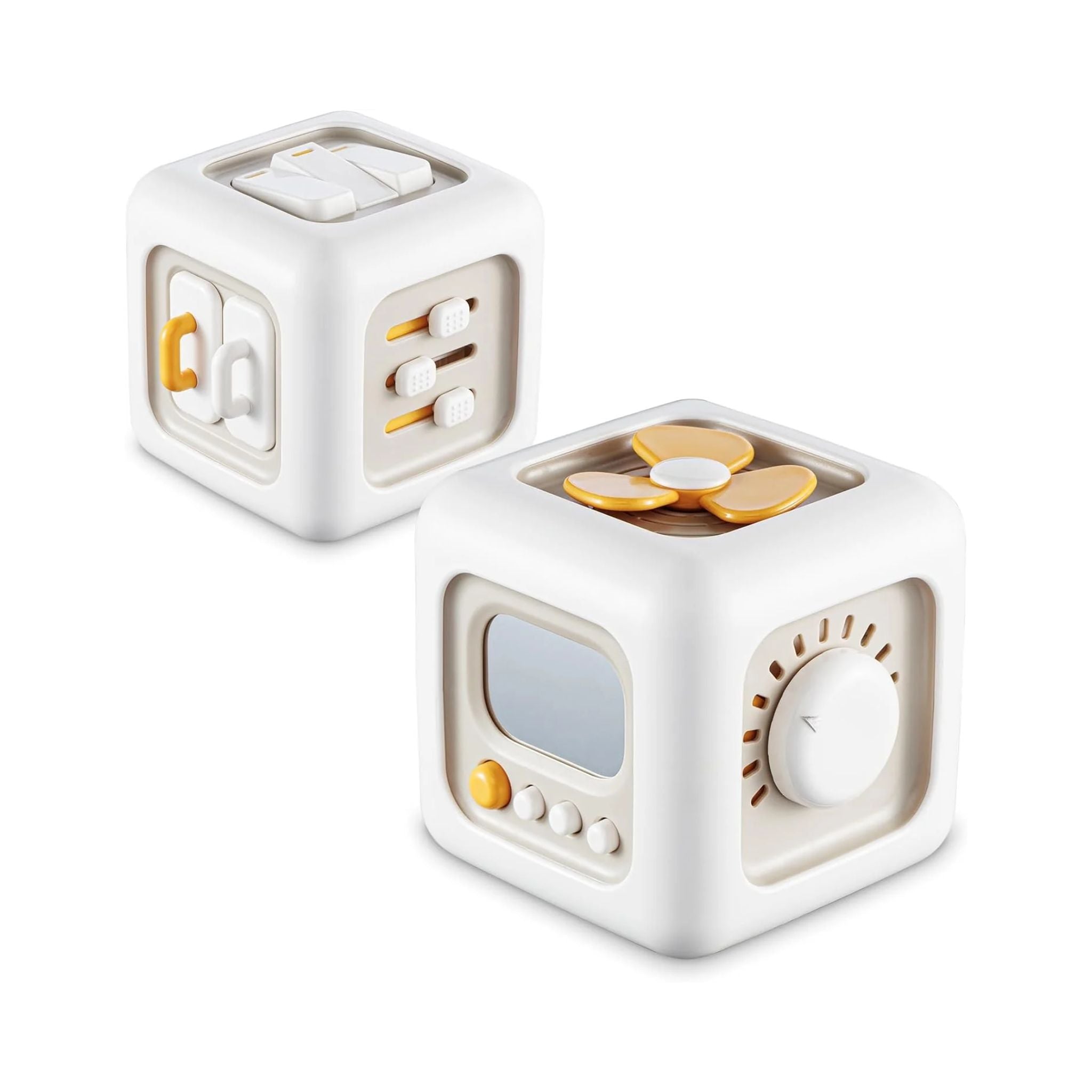
Toddlers Wooden Busy Board

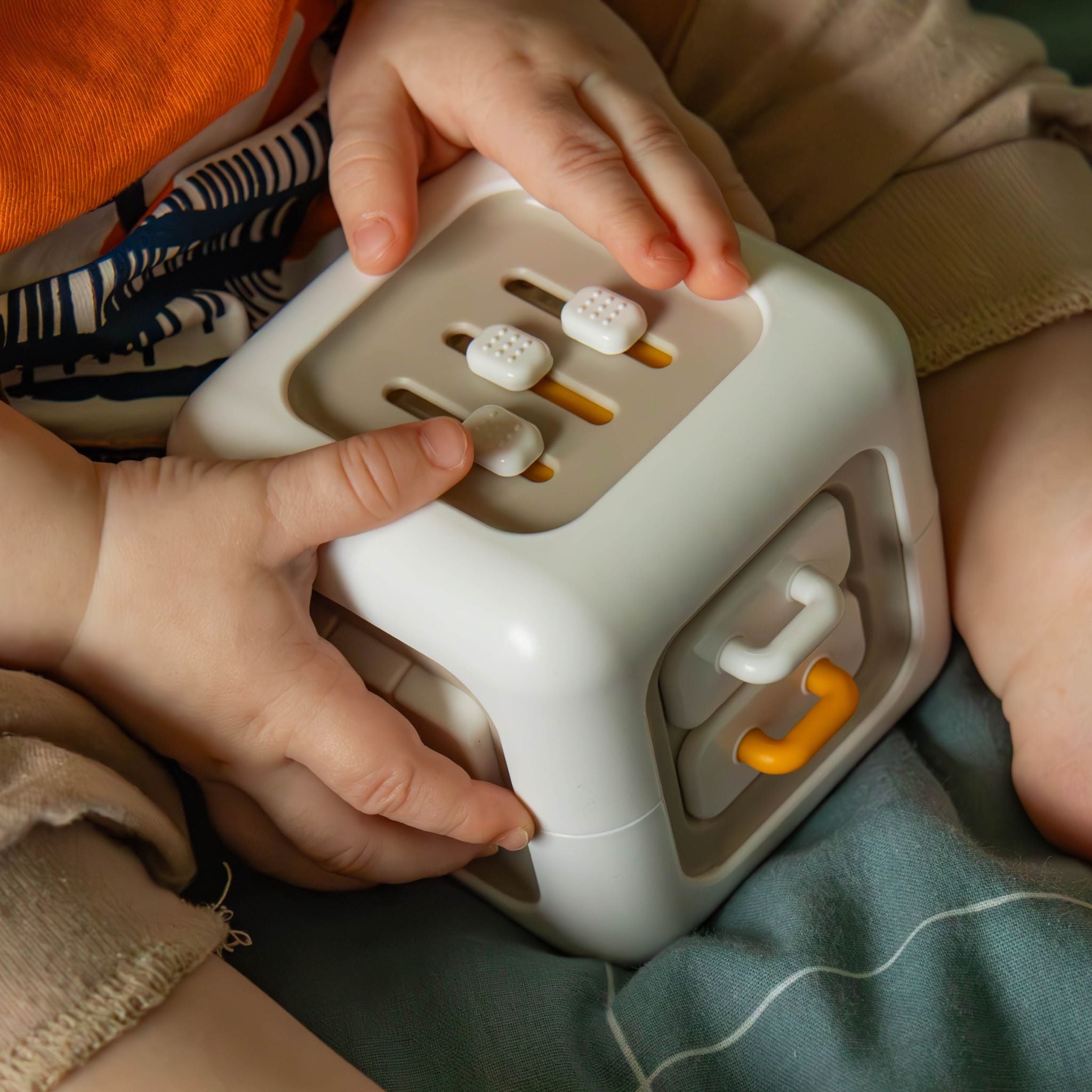
A board of chunky switches, buttons and dials sized for small fingers, each wired to a light that responds the moment it clicks. Flicking one switch without nudging its neighbours is genuine precision work for a toddler, and the instant feedback keeps them practising until their fingers do exactly what they intend. See the Toddlers Wooden Busy Board →
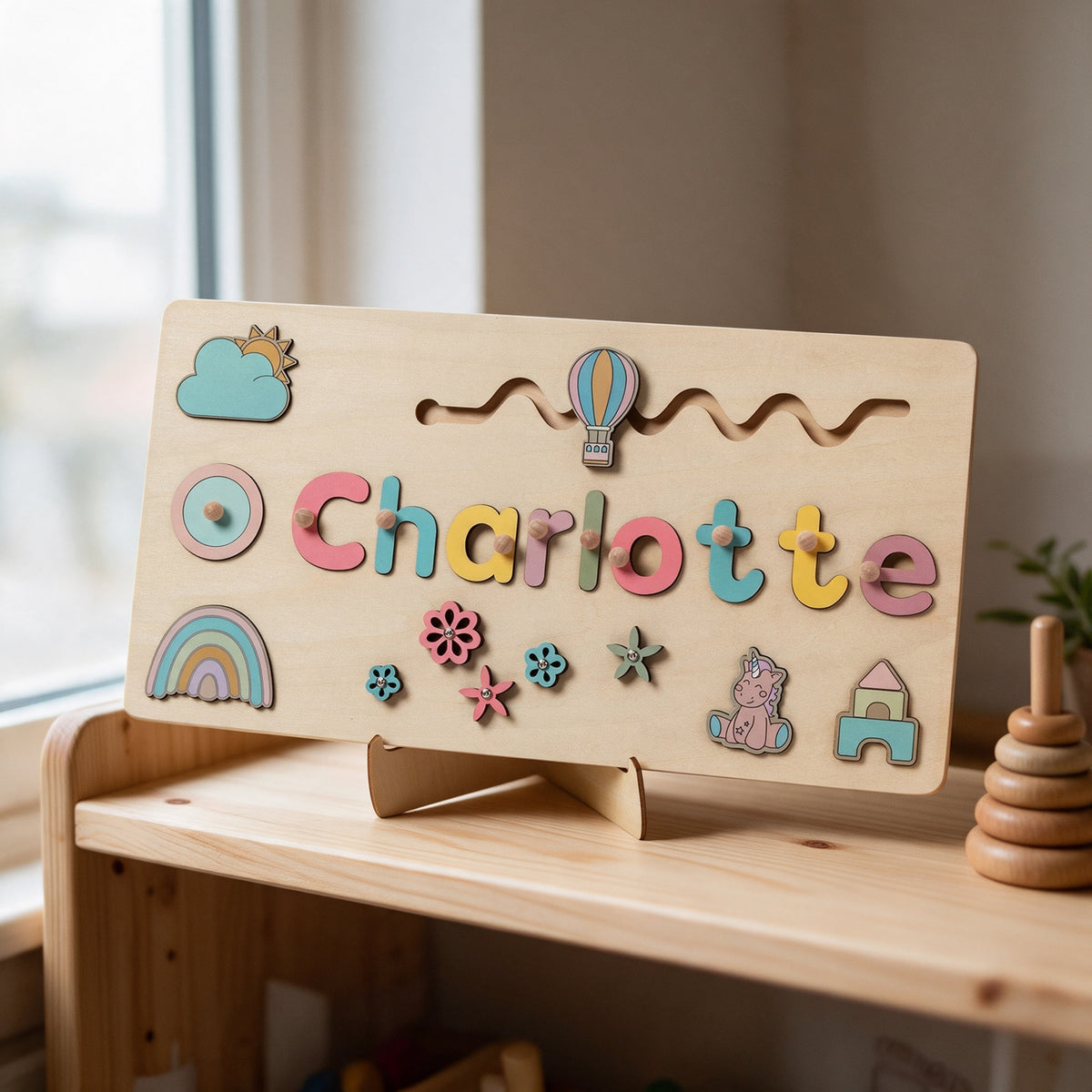
Toddlers Frame

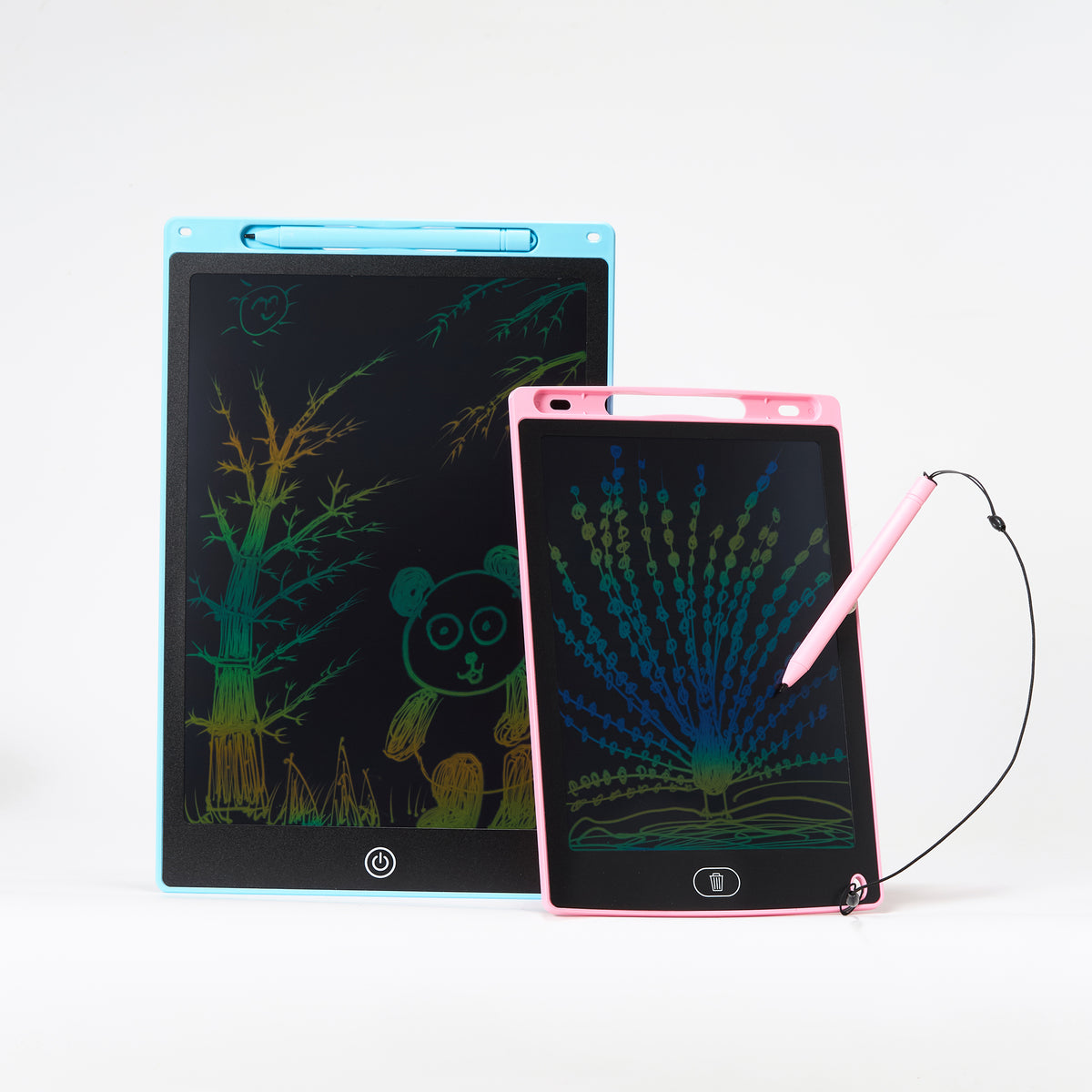
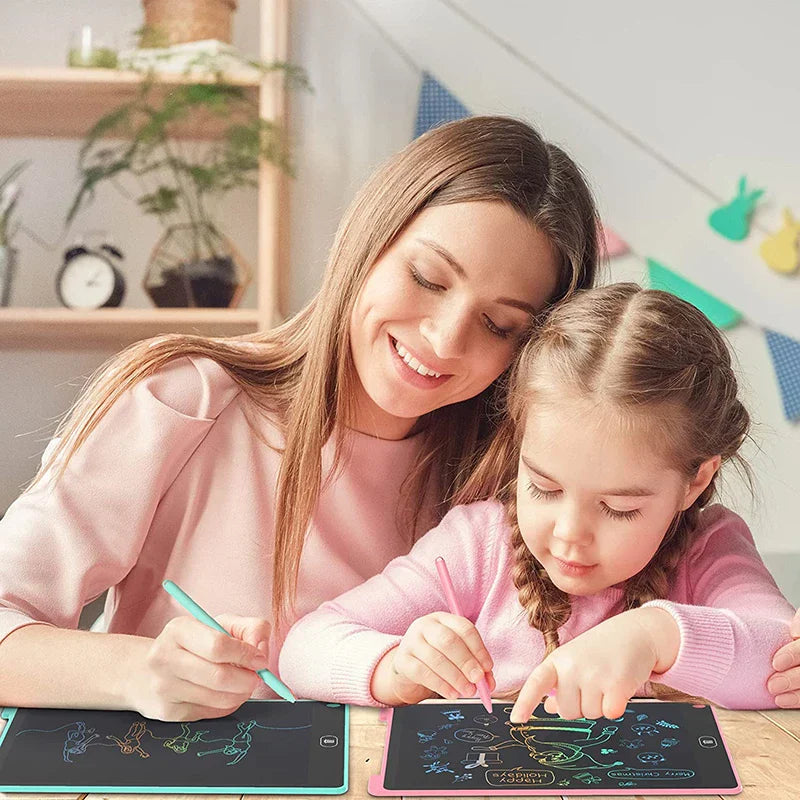
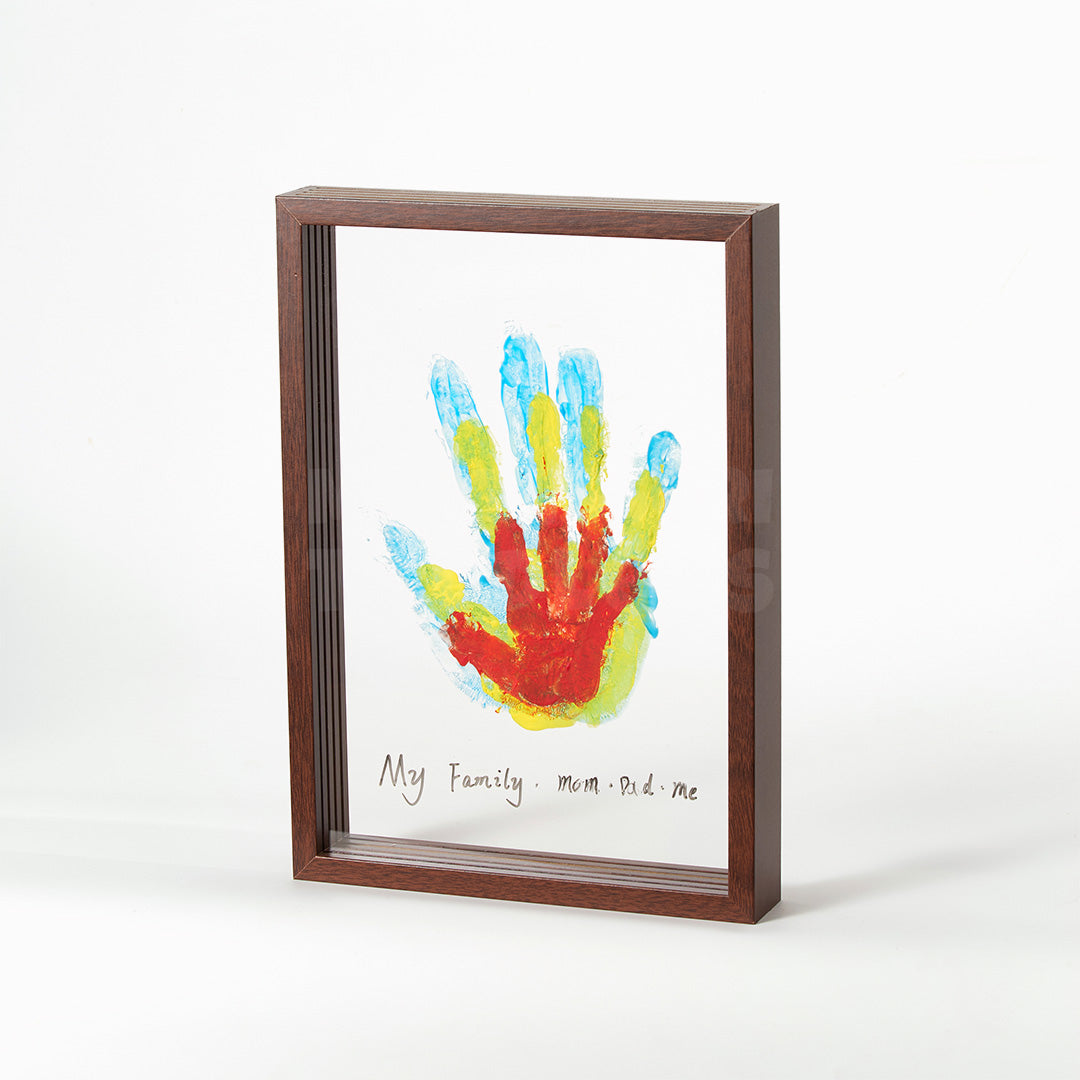
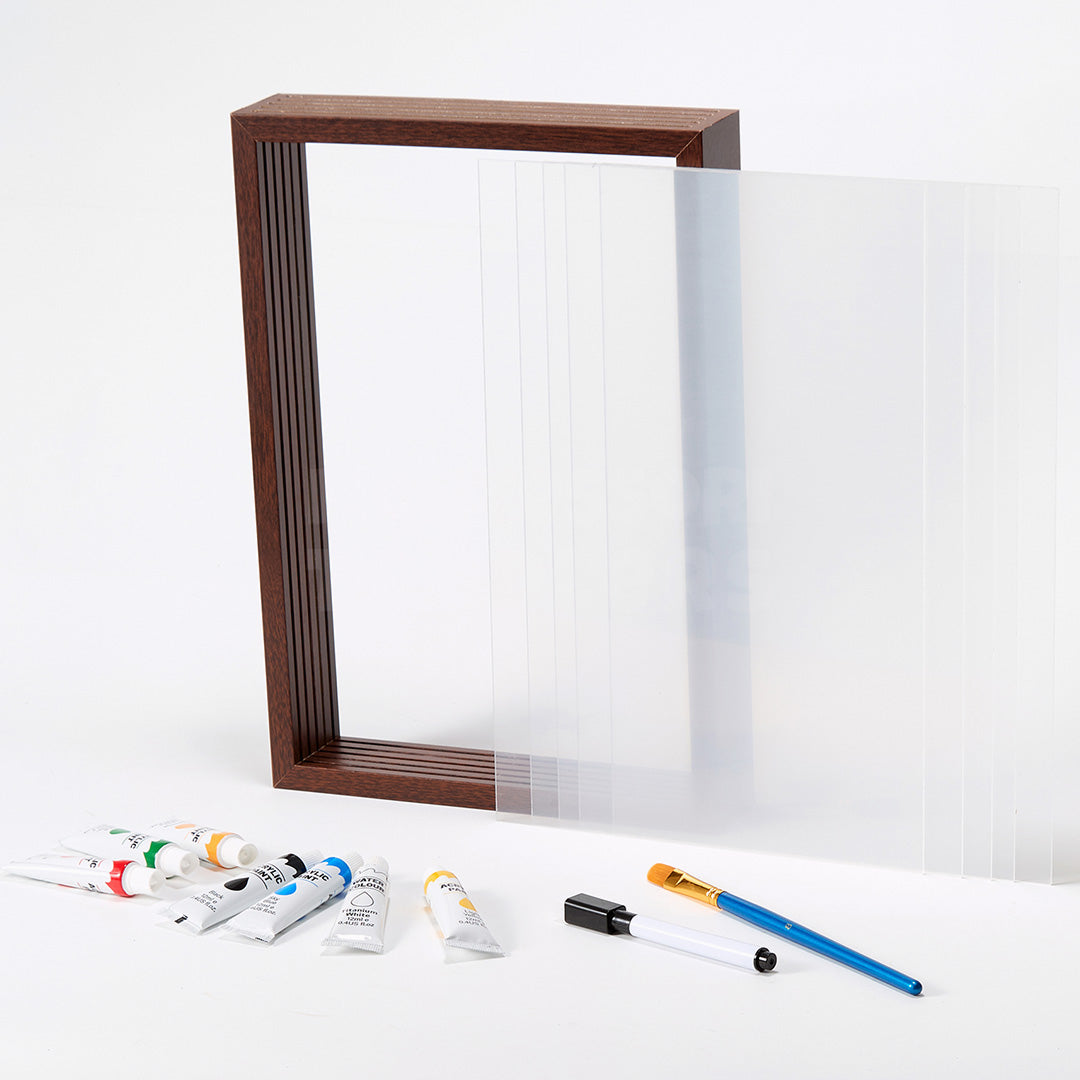
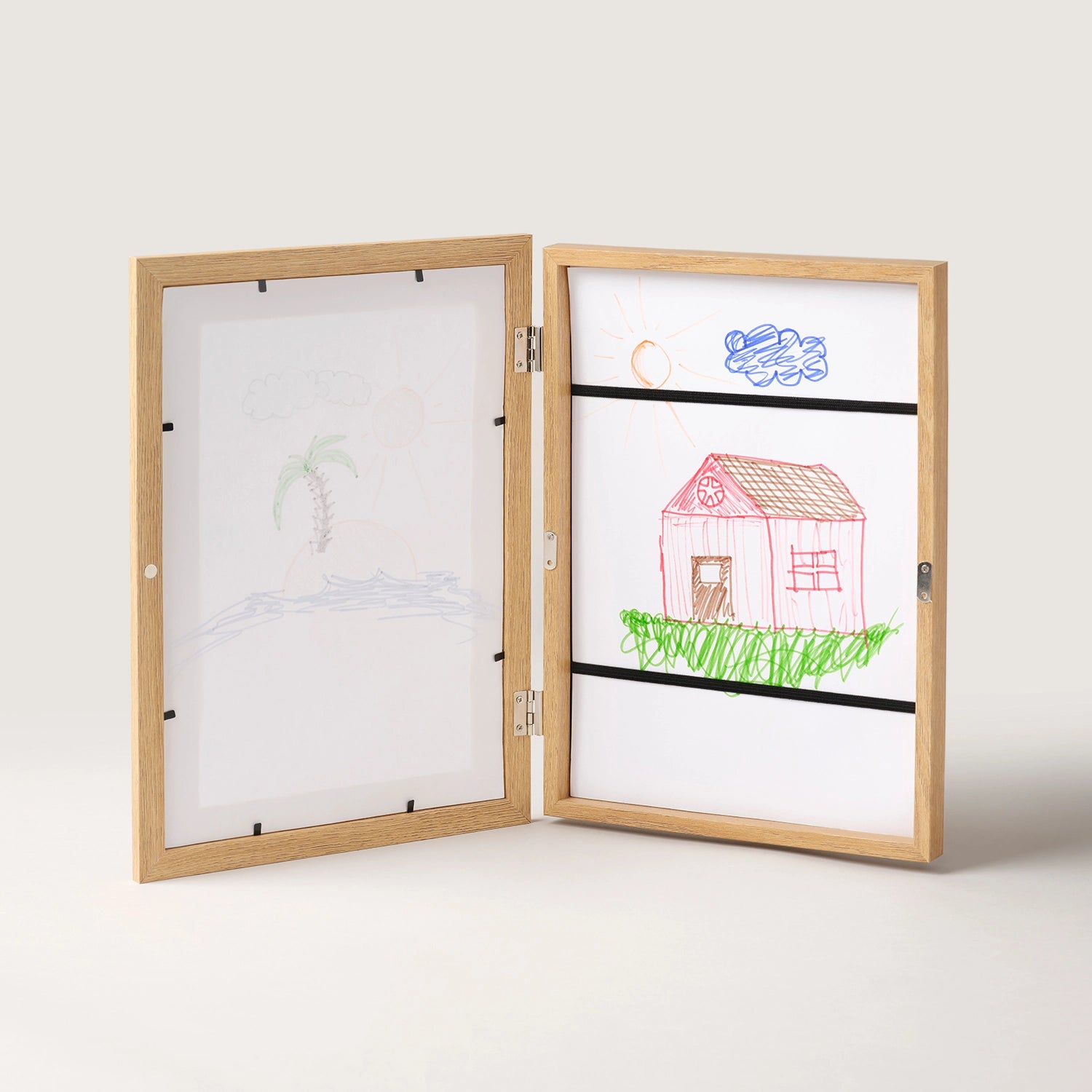
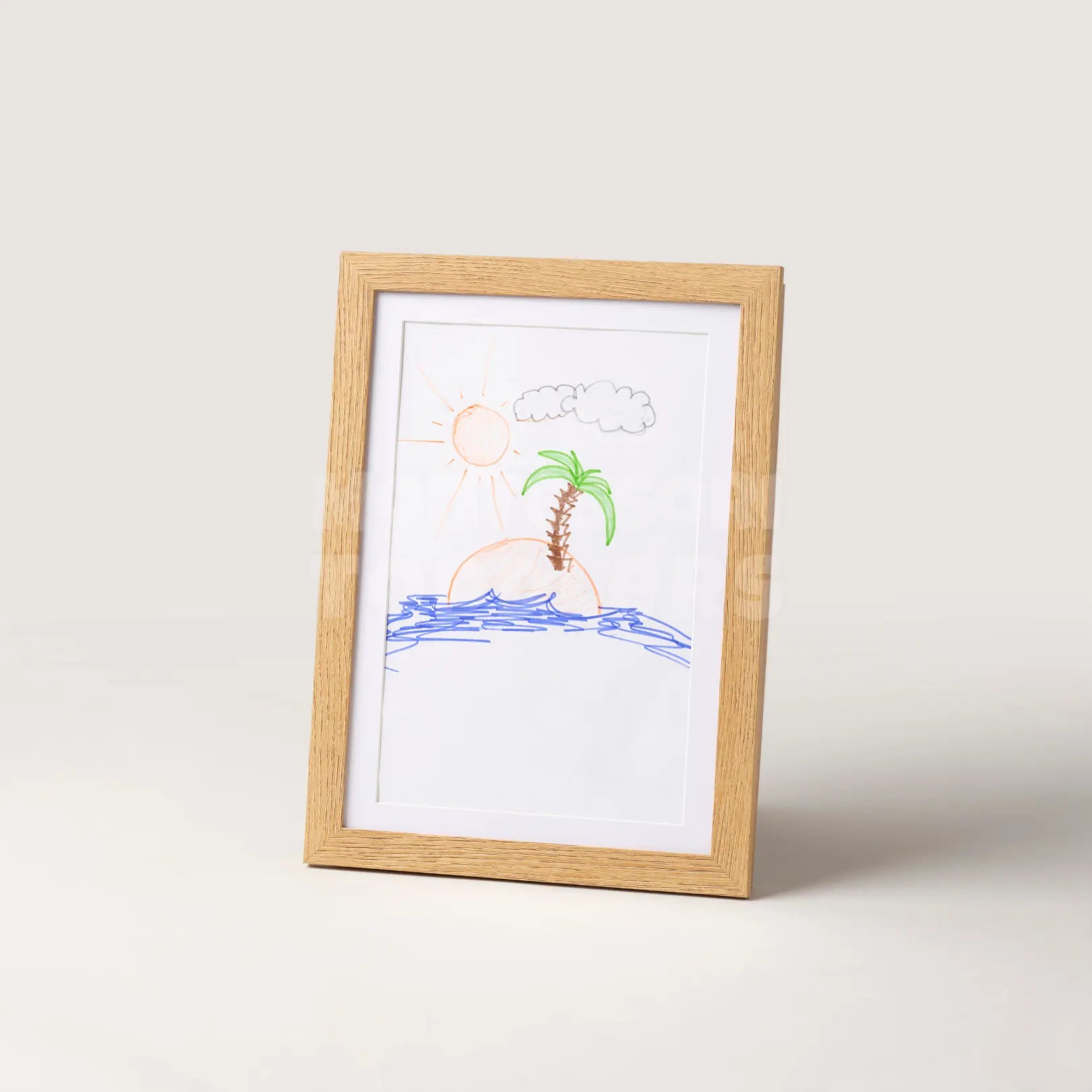
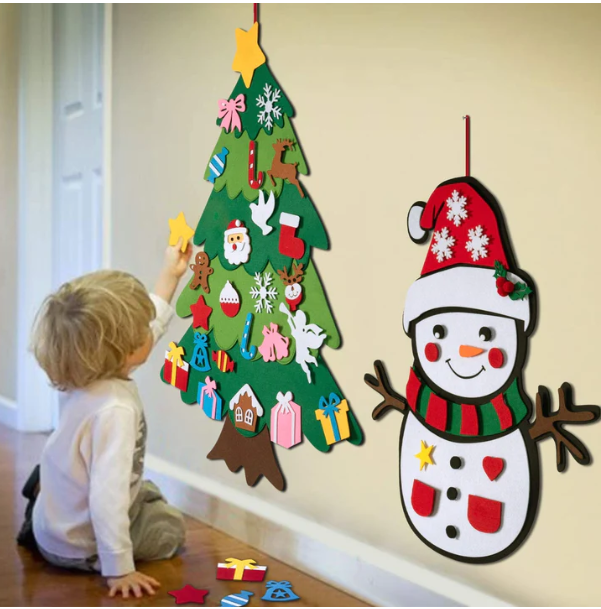
Drawing, painting, and cutting are fine motor skills at their most expressive, and a frame gives them a purpose. Holding a crayon, aiming a line, and filling a shape all strengthen grip and control, and displaying the result on the wall tells a child their careful work mattered. It is a gentle bridge from play towards the pencil grip of school. See the Toddlers Frame →
How to build fine motor skills at home
You do not need special equipment. Fine motor skills grow in everyday moments: let a child pick up peas at dinner, peg socks on the line, post coins into a money box, knead playdough, or help stir a bowl. Offer a variety of textures and small challenges, follow their interest rather than a milestone chart, and give them time to repeat what they have just managed. To a small child, repetition is not boredom, it is practice.
For a simple place to begin, most of the toys above live in our Top Sellers collection.
With love from the Montessori Toddlers team 💛