Christmas morning with two or more children rarely goes the way the adverts show it. One present gets opened a beat too fast, one child is already eyeing the other's box, and somebody is quietly doing maths about who got more. If you are shopping for siblings of different ages this year, the real question is not "what is the best Montessori toy" — it is "what will stop this turning into a scorecard."
The good news is that a handful of toys genuinely work for two children at once, just not in the way most gift guides assume. Here is what actually holds up, organised by how the siblings end up playing together rather than by age alone.
Can one toy really work for two different ages?
Yes, but only if it allows each child to use it at their own level rather than forcing them to play the same way. A toy with one fixed "right" way to use it (a puzzle with one correct outcome, a book at one reading level) quickly becomes a toy for whichever child is closer to that level, and the other loses interest or feels excluded. Open-ended toys — ones with no single correct way to play — are what let a toddler and a preschooler use the same object differently and both feel like it is theirs.
The shared gift: play together, not around each other

Some gifts are worth buying as one shared present rather than two separate ones, especially when the whole point is playing it together on Christmas Eve.
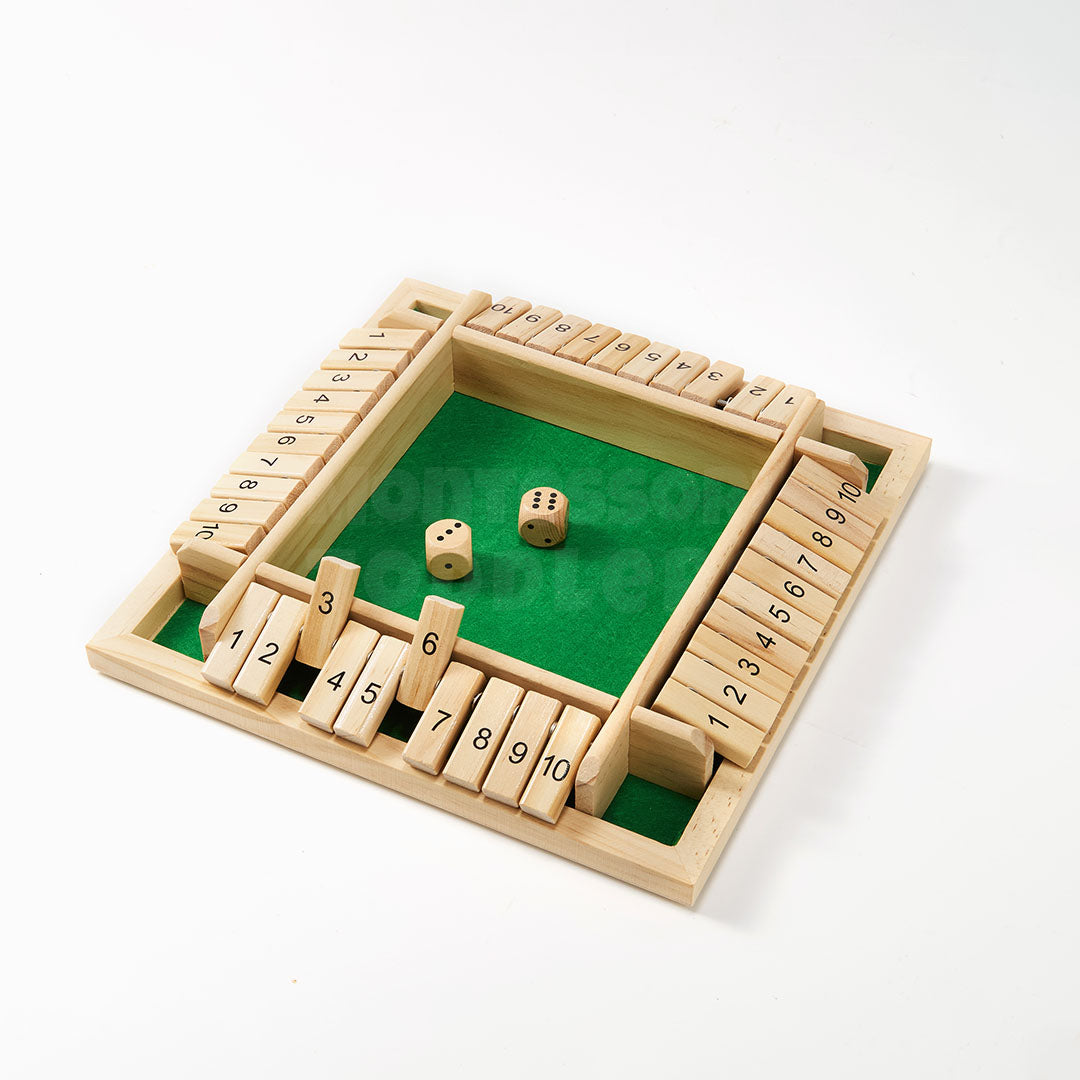
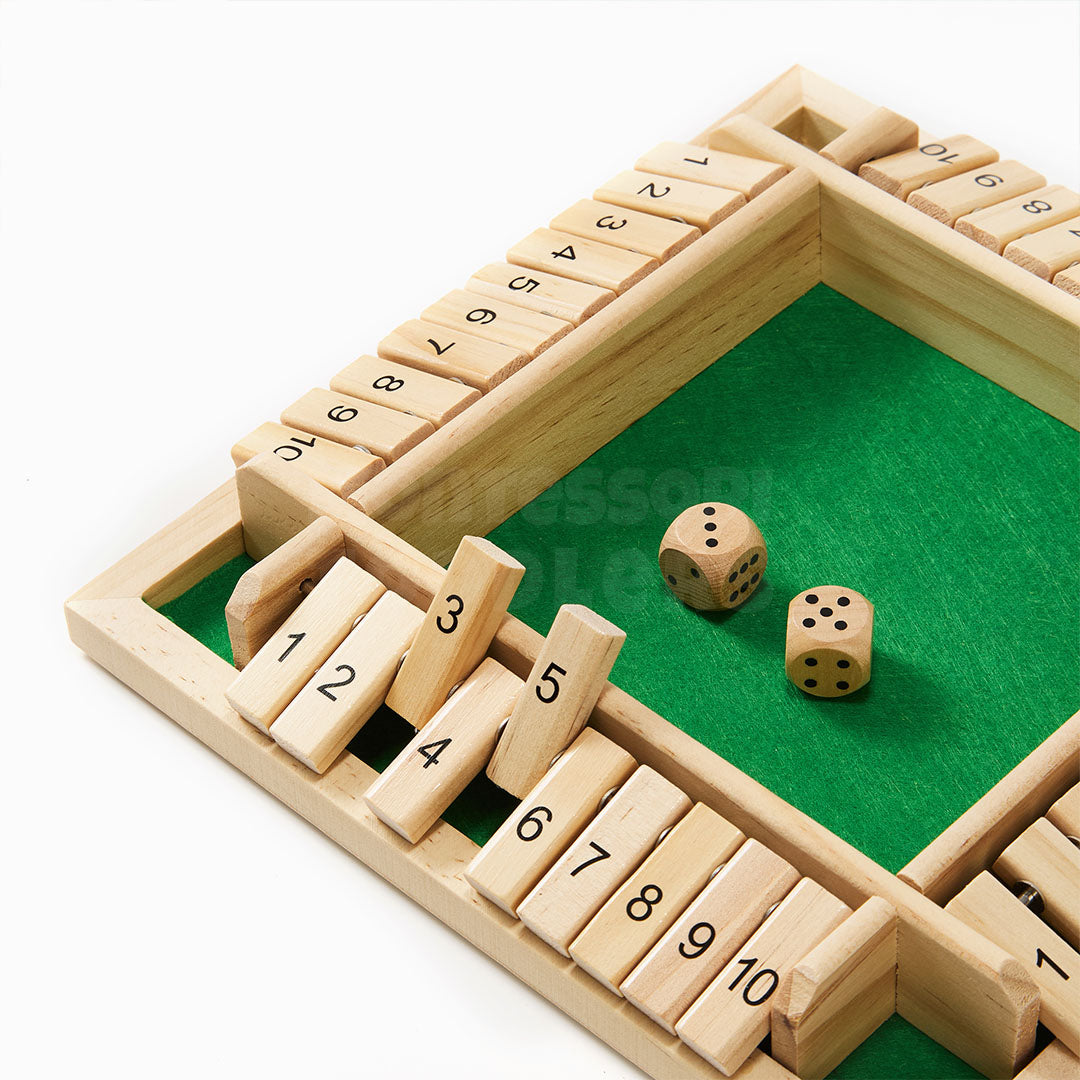
Our pick: the Shut the Box Dice Game. A classic family dice game, quick enough to learn in one sitting and genuinely playable across a wide age range because the rules scale themselves — a seven-year-old can play properly, while a younger sibling can play alongside with a little help adding up. Nobody is handed an easier version; they are playing the same game at their own pace.
The take-turns gift: same toy, different rules for each age

A few toys are built to flex their own difficulty, which matters when the children sharing them are more than a year or two apart.
Our pick: the Toddlers Memory Game. Classic pairs-matching, but the difficulty is entirely in how many cards you lay out and whose turn rule you use. An older child can set a harder version for themselves and a gentler one for a younger sibling, which quietly puts the older child in charge of looking after the younger one — a role most children enjoy more than a gift guide would suggest.
The parallel-play gift: one toy, two different ways to use it

Parallel play — two children playing near each other with the same materials, but not at the same task — is one of the most reliable ways siblings of different ages actually coexist around one gift.
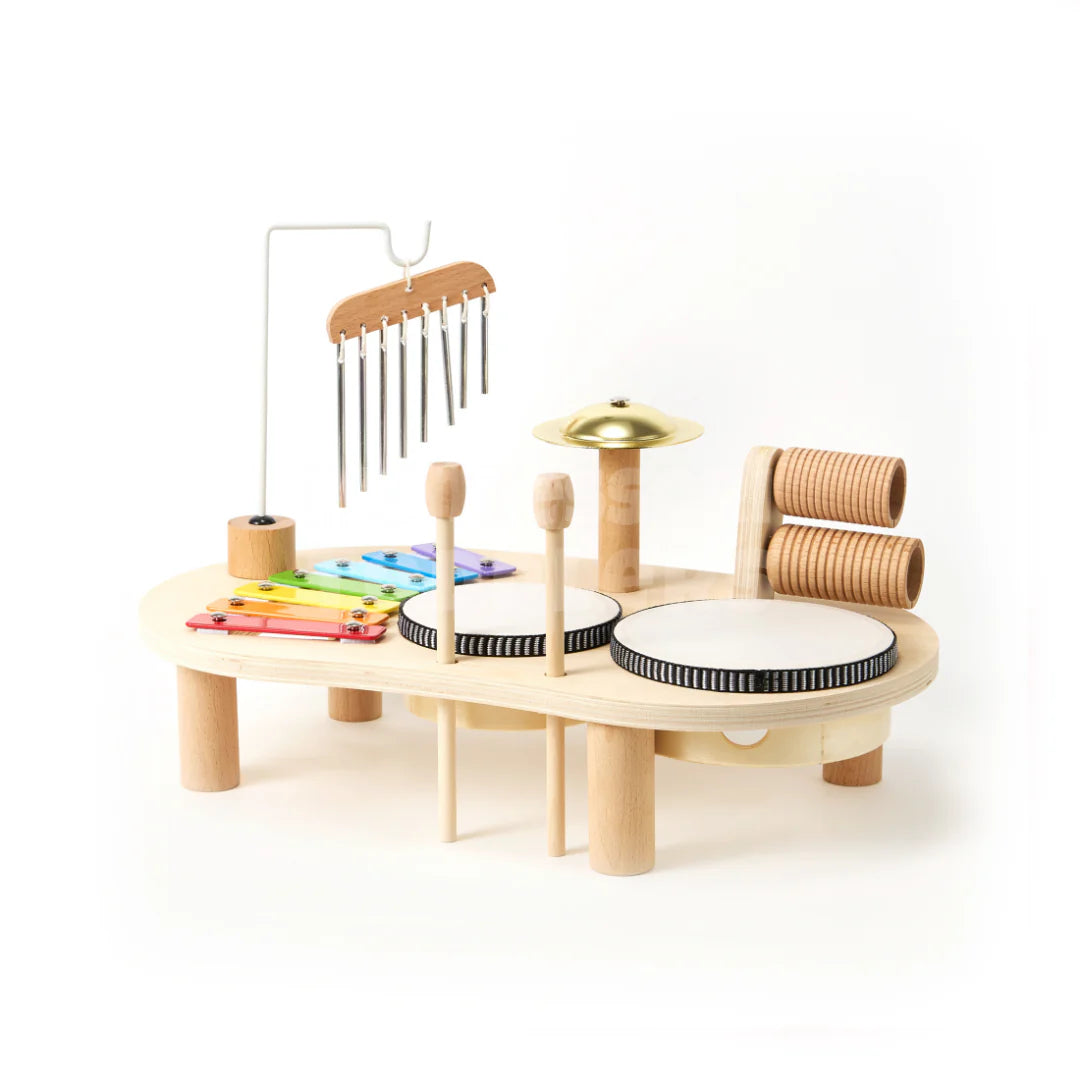
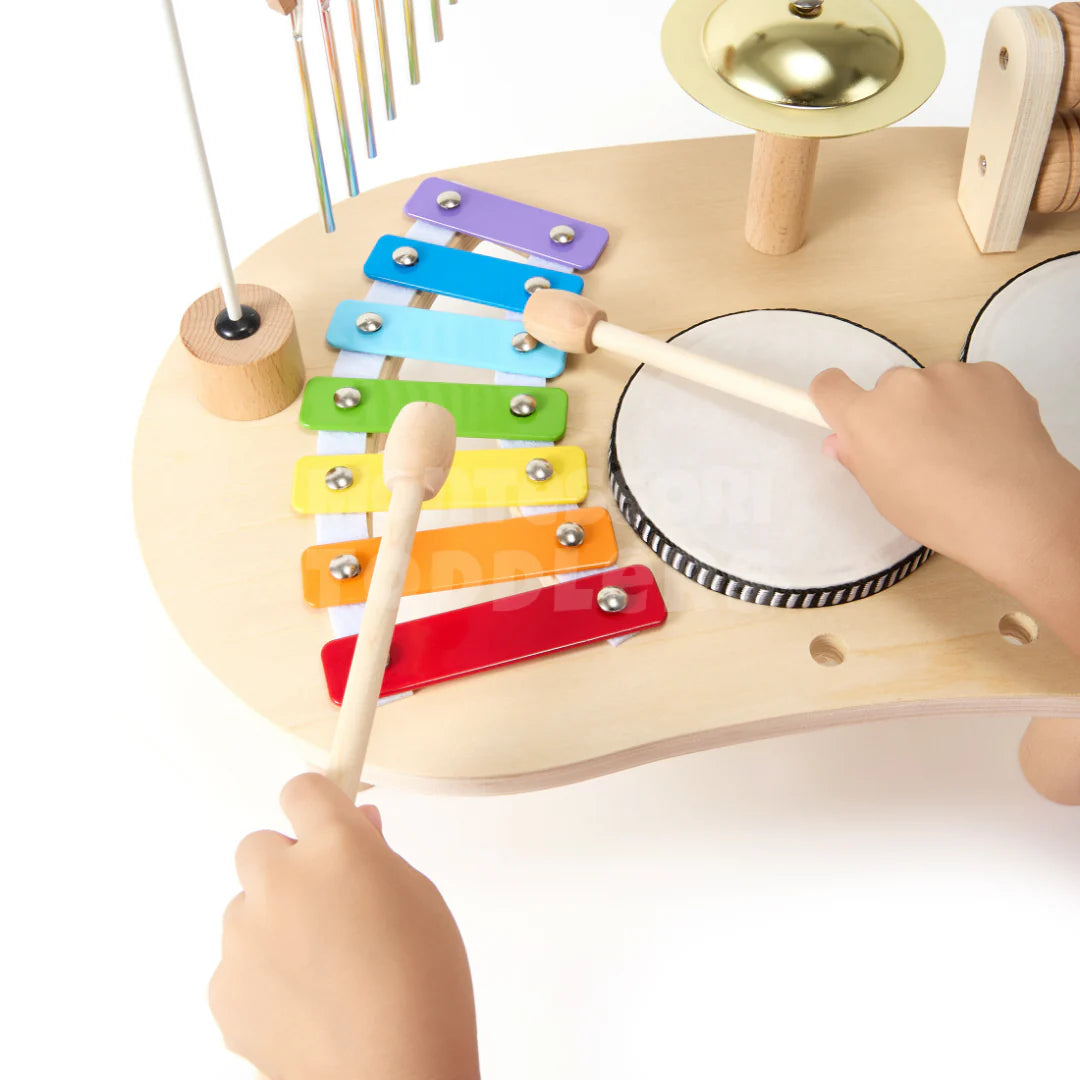
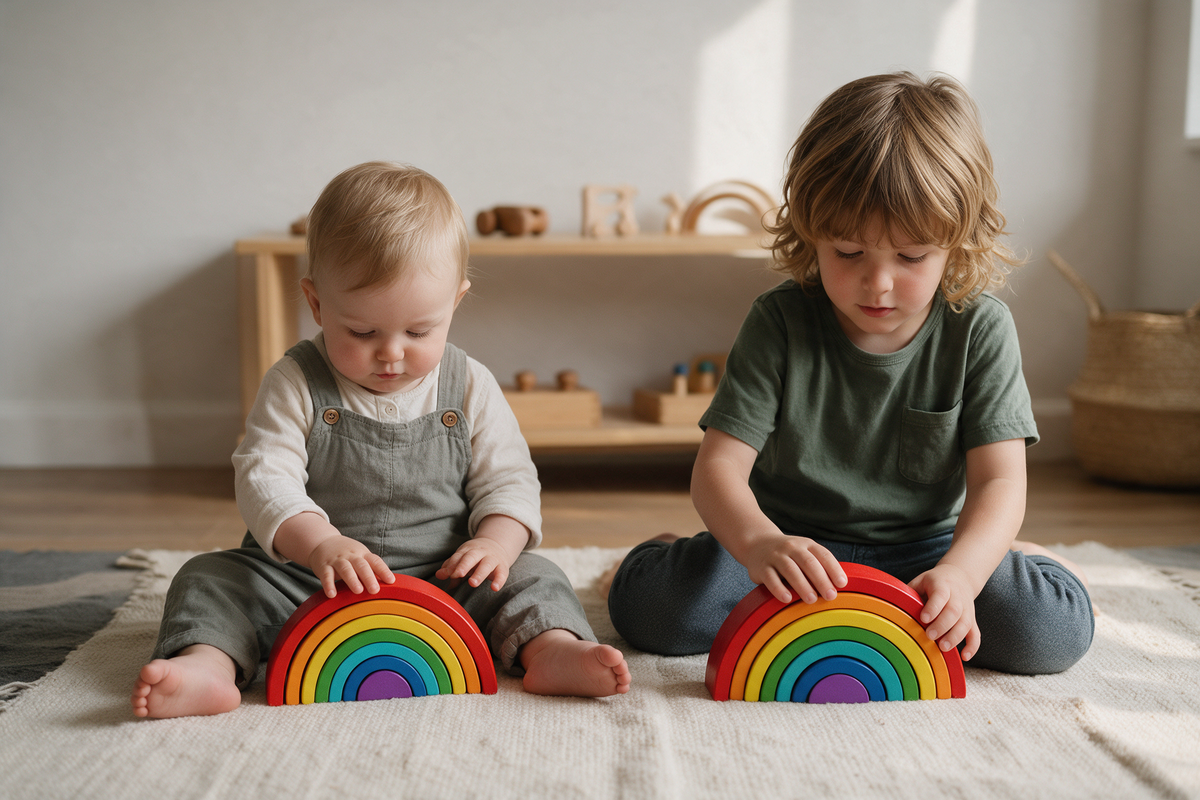
Our pick: the Toddlers Rainbow Toy. A toddler stacks the rings by size because that is the task their hands and eyes are ready for. An older sibling sorts the same pieces by colour, builds a pattern, or invents a sorting game of their own. Both are using the same toy correctly; neither is playing a "baby version" of the other's game.
The 'do it together' gift: cooking and other practical life

Montessori calls everyday adult tasks "practical life" activities, and cooking is one of the few that naturally gives two children of different ages a real role each, without anyone needing a watered-down version of the task.
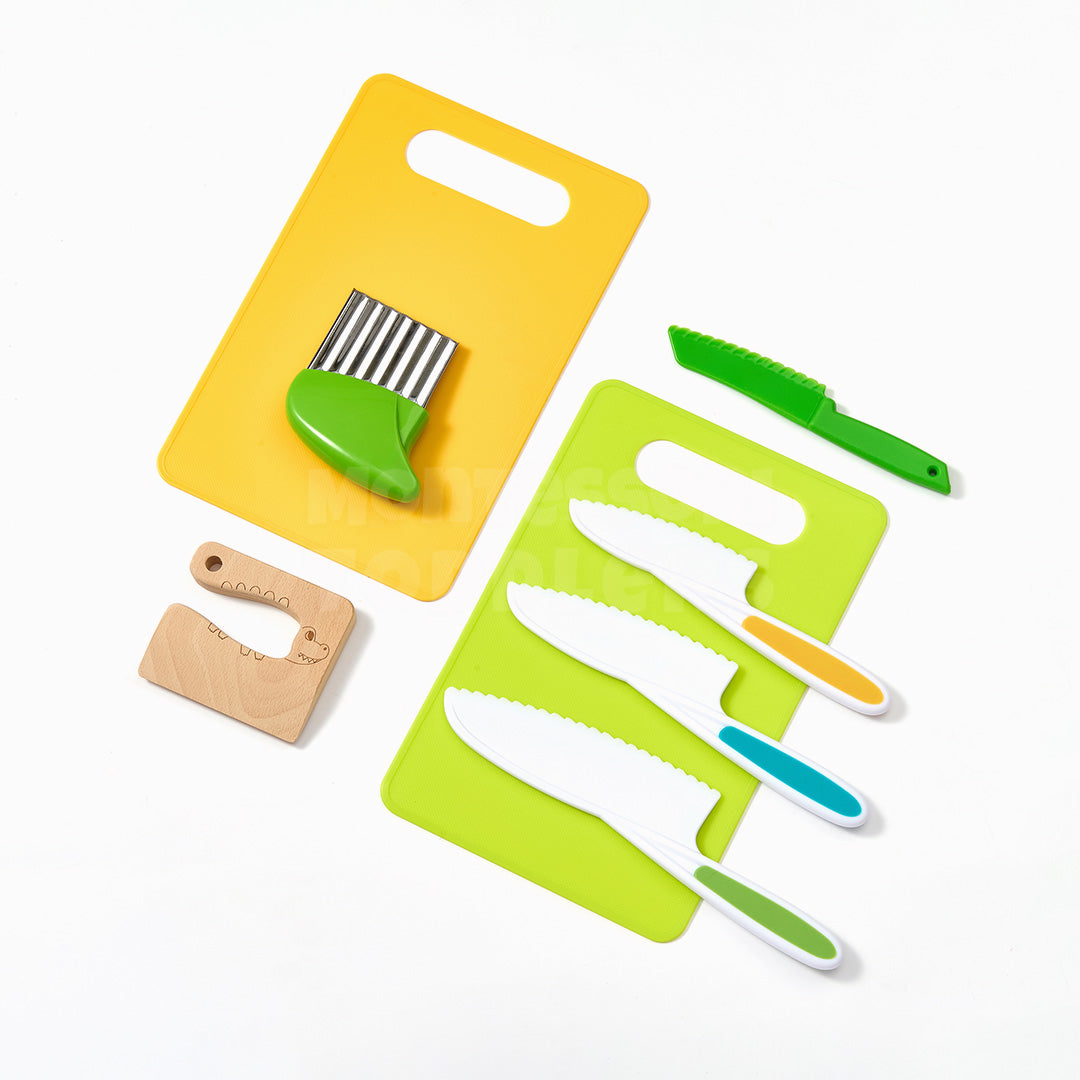
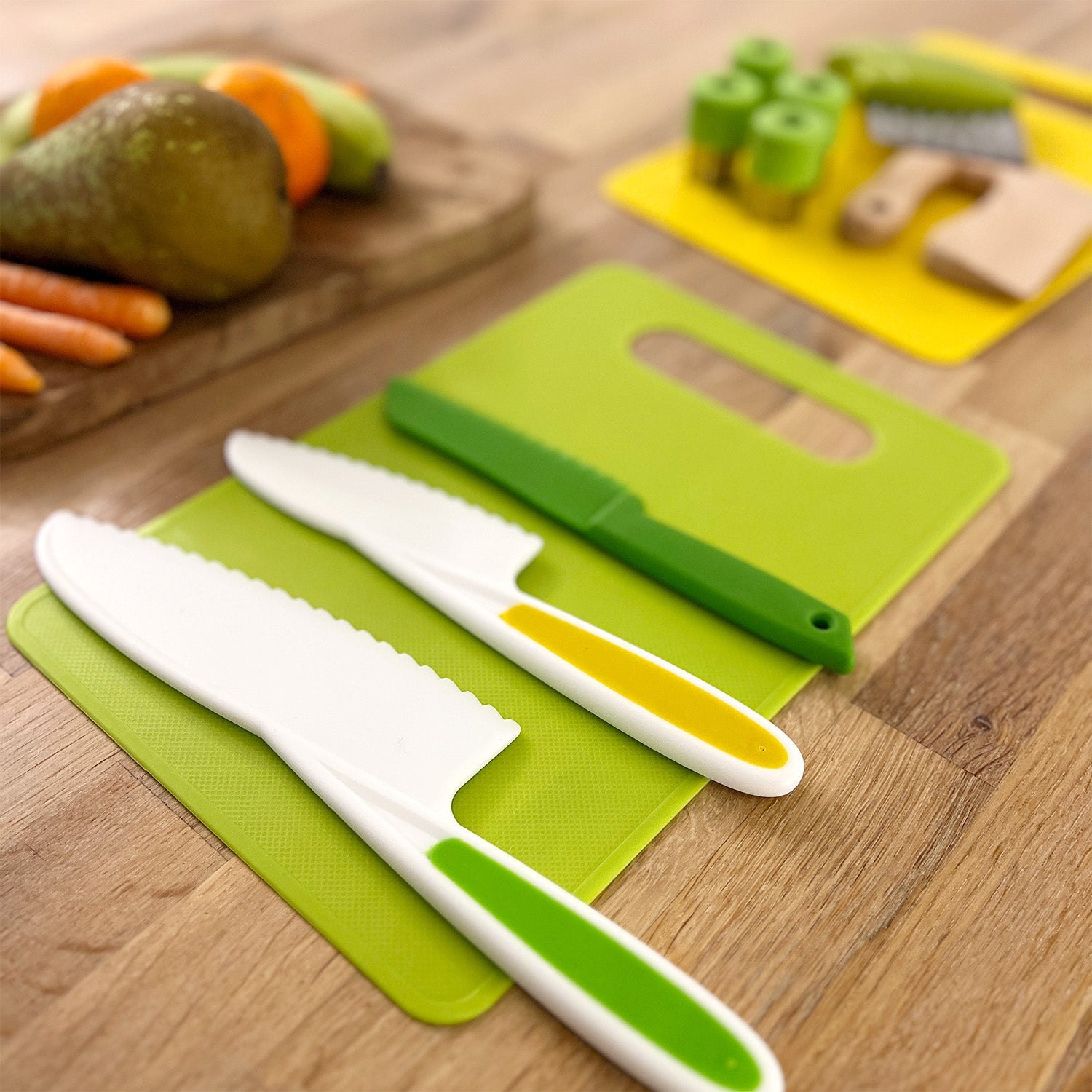
Our pick: the Toddlers Chef Set. An 8-piece wooden play kitchen set with a child-safe knife, board and the small accessories of a kitchen. Christmas baking is the easiest way to use it: the older child does the cutting, the younger one stirs or arranges, and both are participants rather than one child cooking and one watching.
When the age gap is just too big for one gift
Sometimes the honest answer is that there isn't a shared gift, and trying to force one does both children a disservice. If your children are more than about three years apart, or at very different developmental stages, it is usually kinder to give each child their own age-matched gift rather than compromise on something that under-serves the older one or overwhelms the younger. Our by-age guides are built for exactly that: 1-year-olds, 2-year-olds, 3-year-olds, 4-year-olds and 5-year-olds. A gift chosen well for each child beats a shared one chosen poorly, every time.
Comparing the shared-gift options
| Gift | Suitable ages | Develops | Best for siblings |
|---|---|---|---|
| Shut the Box Dice Game | 4+ | Maths, turn-taking | Quick family game night everyone can join at once |
| Toddlers Memory Game | 3+ | Memory, focus | Older child sets the difficulty for both |
| Toddlers Rainbow Toy | 1–6 | Fine motor, colour sorting, creativity | True parallel play, each child at their own task |
| Toddlers Chef Set | 2.5+ | Practical life, cooperation | Cooking together with a defined role each |
A note on fairness, not fifty-fifty
Siblings rarely need identical gifts to feel fairly treated — they need to feel like their own gift was actually chosen for them. A shared gift works best as one of several presents, alongside something smaller that belongs to each child alone. It is the "mine too" feeling that causes fights, not the price tag or the size of the box.
Frequently asked questions
Can two children with different ages share one Montessori toy?
Yes, as long as the toy is open-ended enough that each child can use it at their own level. Fixed-outcome toys tend to become one child's toy; open-ended ones let both children play correctly at the same time.
What's a good gift when my kids are more than two years apart?
Look for toys that flex their own difficulty, like a memory or matching game where the rules can scale, or consider giving each child their own age-matched gift instead of forcing a shared one.
Won't my kids just fight over a shared toy?
Less than you'd expect if the toy genuinely supports two different ways of playing at once. The toys that cause the most fights are the ones with only one "right" way to use them, where only one child can really play at a time.
Should each child get their own version of the same gift?
Sometimes, especially for something small like a stocking filler. But for a bigger present, one shared, genuinely open-ended toy can do more for sibling play than two identical, separate ones.
What's the best Montessori gift for siblings to play together over Christmas?
A game that scales its own difficulty, like Shut the Box or a memory game, or a hands-on practical-life activity like cooking together, tend to work best because they give each child a real, age-appropriate role rather than a shared "same for everyone" task.
With love from the Montessori Toddlers team 💛