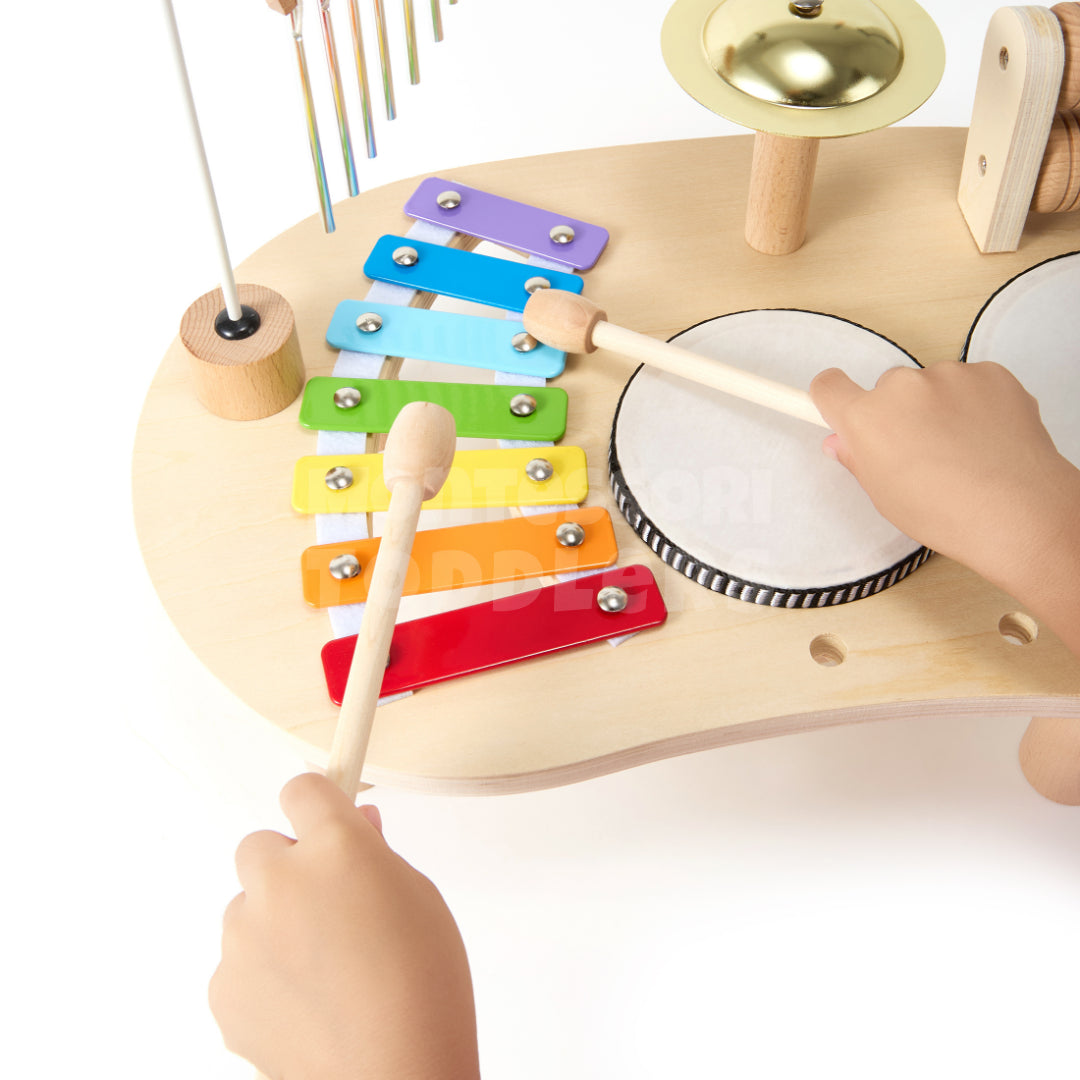
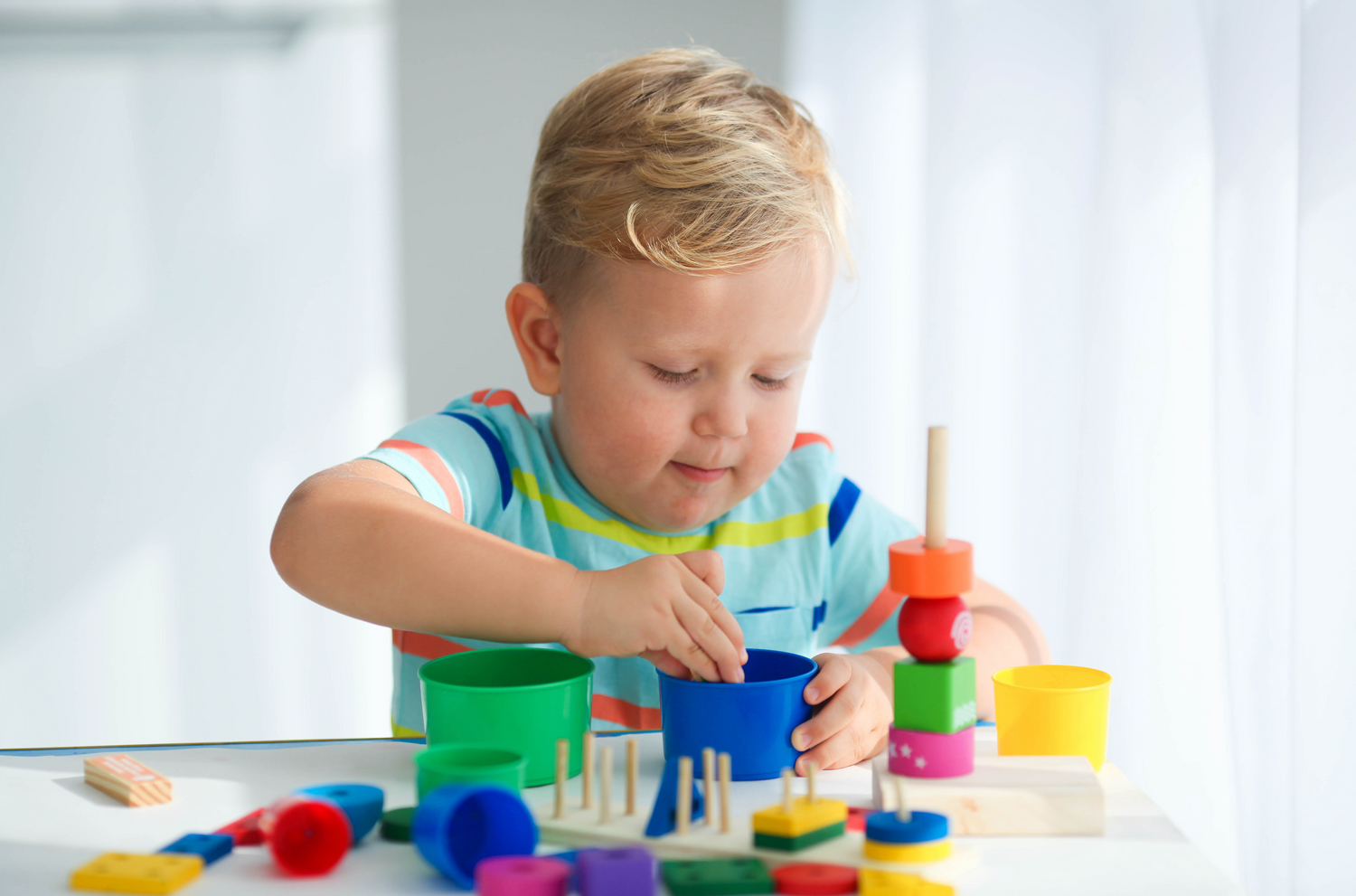
Hand-eye coordination is the ability to guide the hands using what the eyes see, and it quietly underpins almost everything a young child learns to do: stacking a tower, threading a lace, feeding themselves, and eventually holding a pencil. It is one of the first skills a baby builds and one they keep refining for years. The good news is that it develops best through exactly the kind of simple, hands-on play children love anyway.
Below is what hand-eye coordination actually is, why it matters so much in early development, and the toys that build it at each stage from baby to preschooler.
What is hand-eye coordination, and why is it important?
Hand-eye coordination is the brain's ability to process what the eyes see and direct the hands to act on it with precision. It matters because it is the foundation of fine motor skills, the small, controlled movements behind writing, dressing, and using cutlery. Children with strong hand-eye coordination find it easier to learn to form letters and numbers, to play and take part in sport, and to do the everyday tasks that make them feel independent and capable.
Is hand-eye coordination a fine motor skill?
Hand-eye coordination and fine motor skills are closely linked but not quite the same. Fine motor skill is the control of the small muscles in the hands and fingers; hand-eye coordination is what aligns that control with vision, so the hand goes where the eye is looking. The two grow together, which is why the toys that build one tend to build the other.
When do children develop hand-eye coordination?
Hand-eye coordination begins in the first few months, when a baby first reaches for a toy and misses, then slowly stops missing. It develops through reaching and grasping in the first year, stacking and posting in the second, and threading, drawing, and fine sorting in the third and beyond. Every child moves at their own pace, so the most useful thing a parent can do is offer the right kind of play and let repetition do the work.
The best toys for hand-eye coordination
The best hand-eye coordination toys share three things: they are simple, they are self-correcting so the child can see their own progress, and they reward repetition. These six span the whole early-development arc, from a baby's first stacking ring to a preschooler's first careful drawing.
| Toy | Best age | Develops | Price |
|---|---|---|---|
| Stacking & Nesting Rings | 6-18m | Grasp, release, size order | €29.90 |
| Rainbow Stacking Toy | 12m+ | Balance, building | €17.90 |
| Dinosaur Threading Toy | 18m+ | Threading, fine motor | €15.00 |
| Fishing Toy | 2-3 yrs | Precision, patience | €19.90 |
| Colour & Number Maze | 3-5 yrs | Control, counting | €35.00 |
| Frame | 3 yrs+ | Drawing, pencil grip | €24.90 |
Toddlers Stacking & Nesting Rings

Stacking and nesting rings are most babies' first real hand-eye challenge. Lifting a ring, lining it up over the post, and letting go takes a surprising amount of coordination for small hands, and the size order means a baby can see for themselves when a ring does not belong. It is the toy we point new parents to first. See the Toddlers Stacking & Nesting Rings →
Toddlers Rainbow Stacking Toy

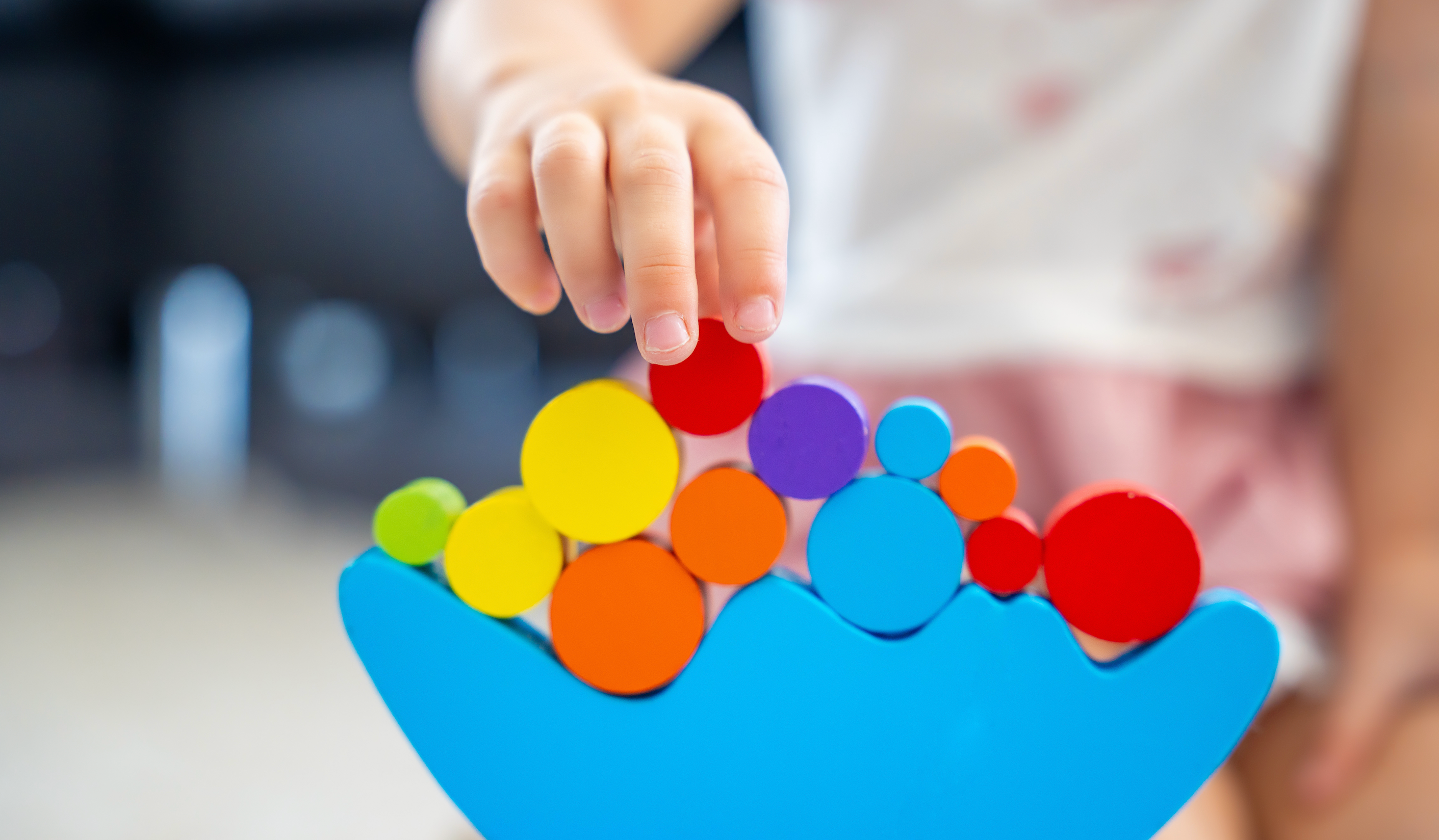
Once a child can stack, the rainbow arcs ask them to balance and build. The curved pieces nest, stack, and tip over in satisfying ways, and steadying each arc on the last is exactly the kind of careful, visually guided movement that grows coordination. It also doubles as open-ended building for years. See the Toddlers Rainbow Stacking Toy →
Toddlers Dinosaur Threading Toy

Threading a lace through a hole is one of the purest hand-eye exercises there is. Guiding the string into a small opening asks the eyes and fingers to work as one, and the dinosaur shapes give a toddler a reason to keep trying. Threading is also the direct ancestor of holding a pencil and doing up buttons. See the Toddlers Dinosaur Threading Toy →
Toddlers Fishing Toy

A magnetic fishing rod turns precision into a game a two-year-old will repeat endlessly. Hovering the rod over each wooden fish until the magnet catches takes a steady hand and a watchful eye, and the quiet focus it produces is the kind every parent recognises. The reward is immediate, which keeps small hands practising. See the Toddlers Fishing Toy →
Toddlers Colour and Number Maze

For older toddlers, sliding beads along a looping track refines control to a fine point. The child follows each path with a bead, matching colour and counting as they go, which layers early numeracy on top of the coordination work. It is self-correcting and endlessly repeatable, which is why it earns its place on a shelf. See the Toddlers Colour and Number Maze →
Toddlers Frame

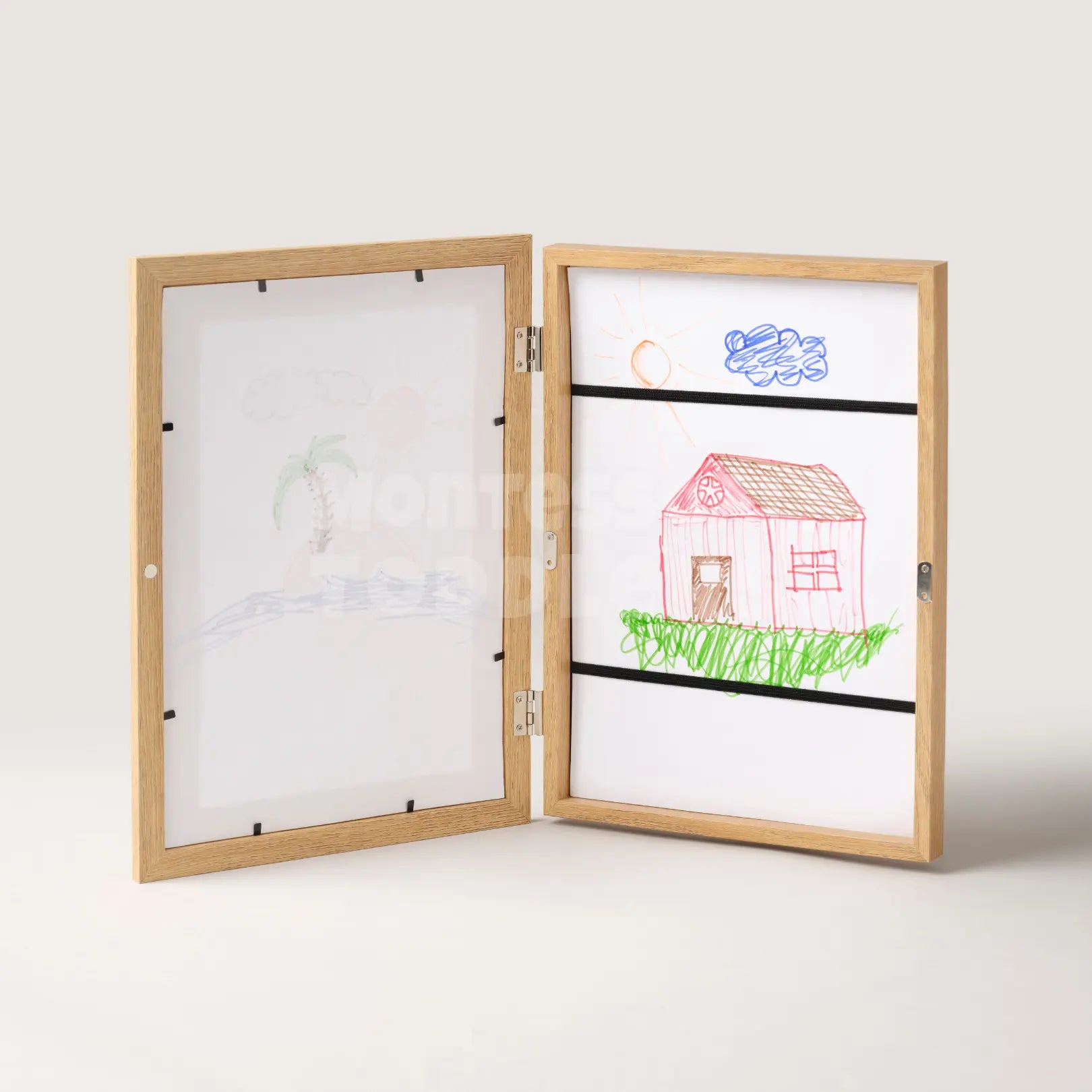
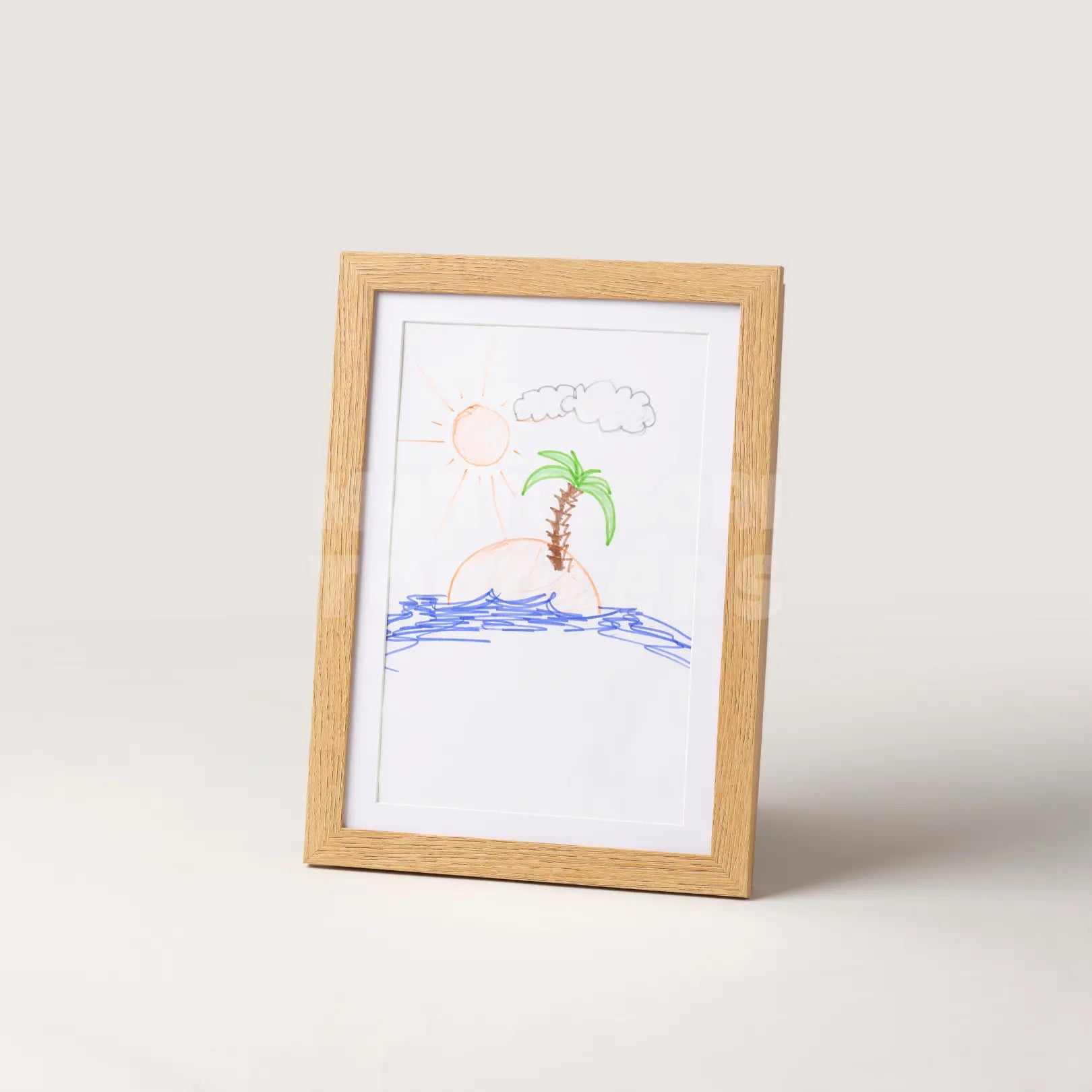
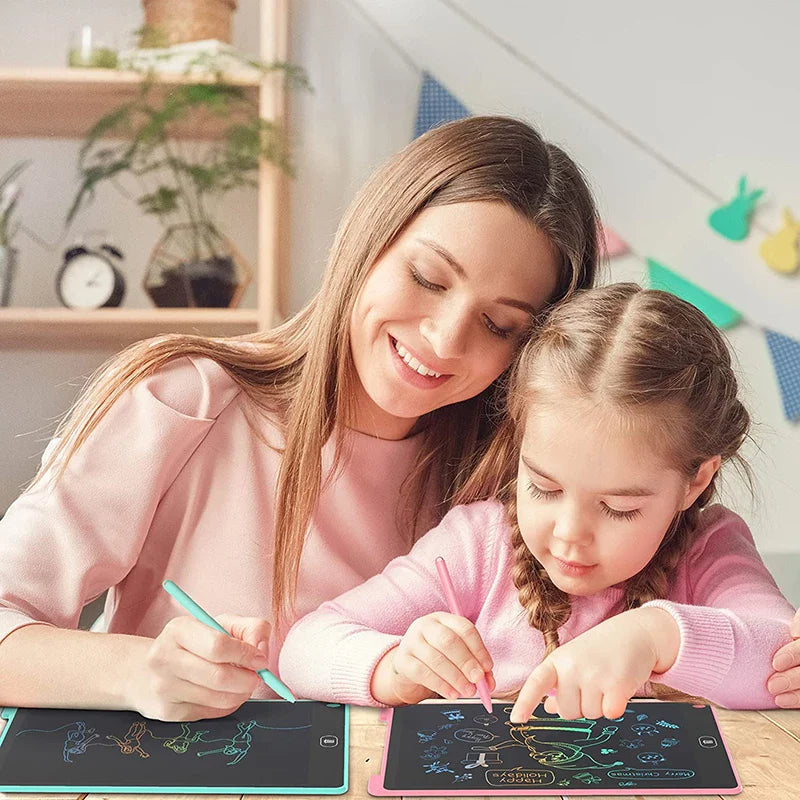
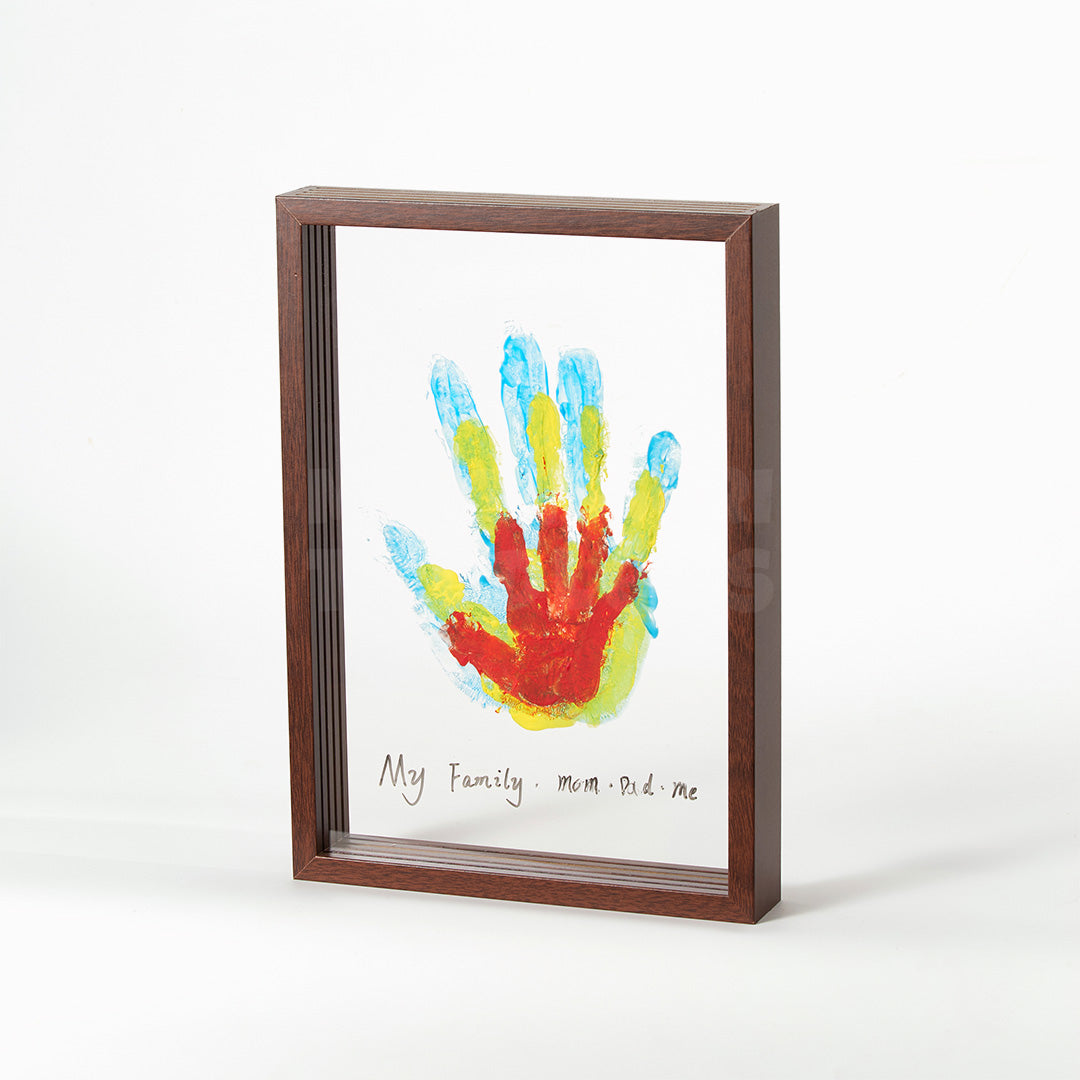
Drawing is hand-eye coordination at its most expressive, and a frame makes it matter. Holding a crayon, aiming a line, and filling a shape all sharpen the same skill, and putting the result on the wall tells a child their careful work was worth it. It is a gentle bridge from play towards the pencil grip of school. See the Toddlers Frame →
How to support hand-eye coordination at home
You do not need a shelf of toys to help. Hand-eye coordination grows in everyday moments: letting a toddler pour their own water, pick up peas at dinner, post coins into a money box, or help lay the table. Keep activities fun and low-pressure, follow your child's interest rather than a milestone chart, and give them plenty of time to repeat the things they have just figured out. Repetition is not boredom to a small child, it is practice.
If you would like a simple place to start, browse our Top Sellers collection, where most of the toys above live.
With love from the Montessori Toddlers team 💛